
FISHING THE
FALL TURNOVER
Every fall there's a week or two when a lake that was fishing well suddenly goes dead. The water looks off, the graph shows bait scattered everywhere, and nothing bites. That's the turnover, and it has a reputation far worse than it deserves. This guide pulls together what the sport's most experienced anglers and fisheries biologists say about it: what's physically happening, how to read it on the water, when to leave, and what to throw when you can't.
What's Actually Happening
Through summer a lake stacks into layers. Warm, oxygen-rich water sits on top (the epilimnion), cold water settles on the bottom (the hypolimnion), and a thin transition layer called the thermocline separates them. Bass and bait spend the summer at or above that thermocline because the water below it runs short on oxygen.
In fall the surface cools, becomes denser and heavier, and sinks. Wind erodes the thermocline until the whole column mixes. The Missouri Department of Conservation notes this process kicks in as air temperatures drop toward 50°F, and the mixing can happen overnight. When it does, it circulates a summer's worth of decaying organic matter and gases that had been trapped on the bottom.
Bassmaster Elite pro Kevin Wirth describes it as an oxygen-depletion event: the fish are more worried about breathing than eating, so they scatter and suspend. Former B.A.S.S. pro Denny Brauer's theory is that it hits bass like a cold front and disorients them.
The good news, according to Mike Iaconelli: it's short-lived, usually over in a week or two, and the bass come out of it hungry. Most sources put the truly tough stretch at three to seven days.
Reading the Signs
You can usually tell turned-over water before you make a cast. Wirth and others describe:
- Greenish-gray, "dead"-looking water, or pea-green, brownish, or milky color
- A rotten-egg or sulfur smell
- Small bubbles rising off the bottom, and scum or debris on the surface
- A slick, lifeless surface with no bait activity
- On the graph, bait scattered through the whole column instead of balled up
Strategy One: Don't Fish It
This is the single most consistent piece of advice across every source, and the one most anglers overlook. The turnover is avoidable more often than not.
Run from it on big water. Iaconelli points out that on large reservoirs the turnover doesn't happen everywhere at once. If the upper end is turning, run to the dam, or the reverse. Wirth learns the progression of turnover on lakes he fishes regularly and uses it to find unaffected water.
Pick the right lake for the week. Kevin VanDam's rule from Michigan's natural lakes: shallow, weedy lakes flip first, while deeper lakes can turn almost a month later. During the first real cold snaps, fish the deep lakes and leave the shallow ones alone until they've recovered.
Find current. Gene Gilliland, B.A.S.S. national conservation director, calls the idea that turnover happens everywhere a myth. Lakes and reservoirs with constant wind or frequent current never stratify hard enough to turn over dramatically. VanDam adds that river-connected lakes are less susceptible and that fall rain keeps water moving. Rivers, tailraces, river-run reservoirs, and creek arms with real inflow are your safe havens.
Strategy Two: When You're Stuck In It
Sometimes you have one lake and one day. Here's the consensus playbook.
Go shallow. Iaconelli's blunt version: even if you were on the best deep bite in the world, go shallow when the turnover hits. Shallow water stabilizes first because the sun warms it and wind mixes it, so it re-oxygenates and recovers well ahead of deep water.
Fish wind and current. Mossy Oak's turnover guide recommends windy main-lake points, since wind current stirs the water, makes conditions more comfortable for bass and bait, and triggers feeding. Iaconelli throws jerkbaits and vibrating jigs where waves are crashing on the bank, and treats any current the same way. Look for banks that have had sustained wind for 12 to 24 hours.
Hit isolated "ladder" cover. One of Iaconelli's best fall concepts. A long dock or a big fallen tree that runs from two feet of water out to twenty gives a disoriented bass a comfort zone to slide along between depths. The catch: it only works if the cover is isolated. A bank lined with docks spreads fish out; a single dock or laydown concentrates them.
Power fish and cover water. Spinnerbaits, vibrating jigs, and lipless crankbaits find the fish that are still willing. Slow finesse is the wrong tool for scattered, suspended bass; you have to locate feeders first.
The Bigger Picture: The Fall Transition
The turnover is a blip inside a much longer, much better season. Understanding the transition around it is where the easiest fishing of the year lives.
The trigger is daylight, not a date. VanDam says shortening day length is the most important driver of the fall pattern, and there's no magic date or water temperature. Matt Allen and Tim Little of Tactical Bassin point to cooler nights as the earliest tell.
Follow the bait. Wired2Fish calls this the golden rule of fall: if you're not seeing baitfish, keep moving, because bass rarely stray from their food source this time of year. Stay mobile. Once you find an active school you can catch ten or twenty fish in a hurry. Summer-born shad, shiners, and bluegill are now two to four inches long, and bass are feeding hard to put on fat for winter.
The creek migration. Mystery Tackle Box's breakdown of reservoir fall patterns: once water temperatures drop below about 70°F, bass follow bait from creek mouths to secondary points with rock or wood, often suspending over 25 to 35 feet. By mid-autumn, big concentrations push onto flats in the backs of creeks in three feet of water or less. The exception is a fast cooldown on a highland lake, when bass may never make it to the backs and instead stack up on channel swings with chunk rock and pea gravel.
Watch for drawdowns. VanDam's underrated insight from Major League Fishing: a fall drawdown is a definitive trigger. Falling water strips shallow cover and forces bass onto isolated cover and channel edges, making them far more predictable. The outflow also creates current on main-lake points, humps, and shoals that hadn't seen it all summer, which can start feeding frenzies.
Match the hatch, including size. If bass are on tiny bait, downsize to a small crankbait, finesse swimbait, or grub.
Feeding windows still matter. Early morning, late afternoon, and right before a front are the peak windows even when fall bass feed all day.
Graph before you cast. Spend time scanning points and creek channels for bait schools before committing. Forward-facing sonar makes finding scattered fall bait dramatically easier. See the FFS Hub for how to run it.
The Fall Arsenal
Stack VanDam, Iaconelli, Tactical Bassin, and the rest of the sources, and the same categories keep showing up. One representative bait per category, each with a product photo linking to its shop page.
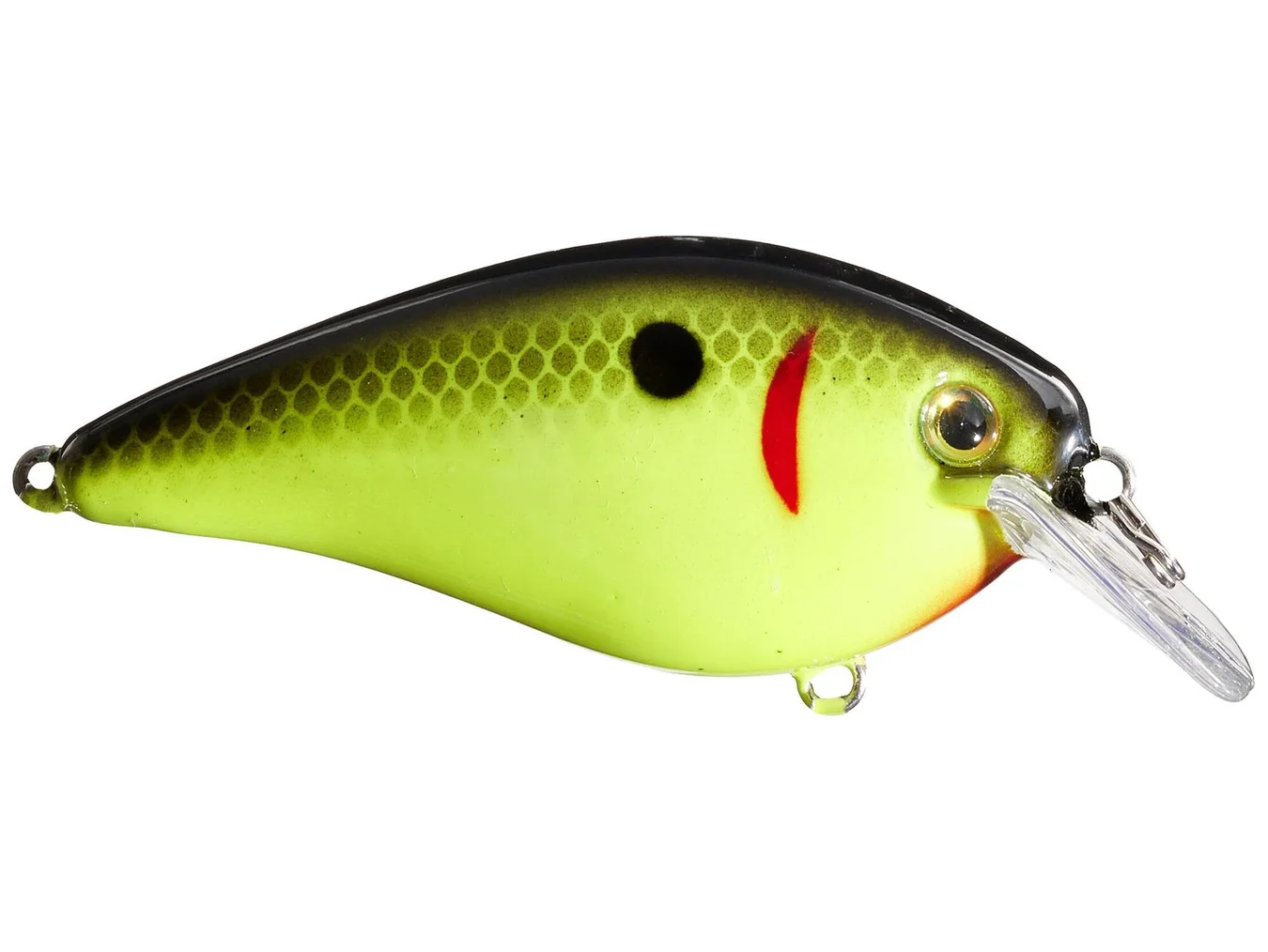
Strike King KVD 1.5 HC Silent →
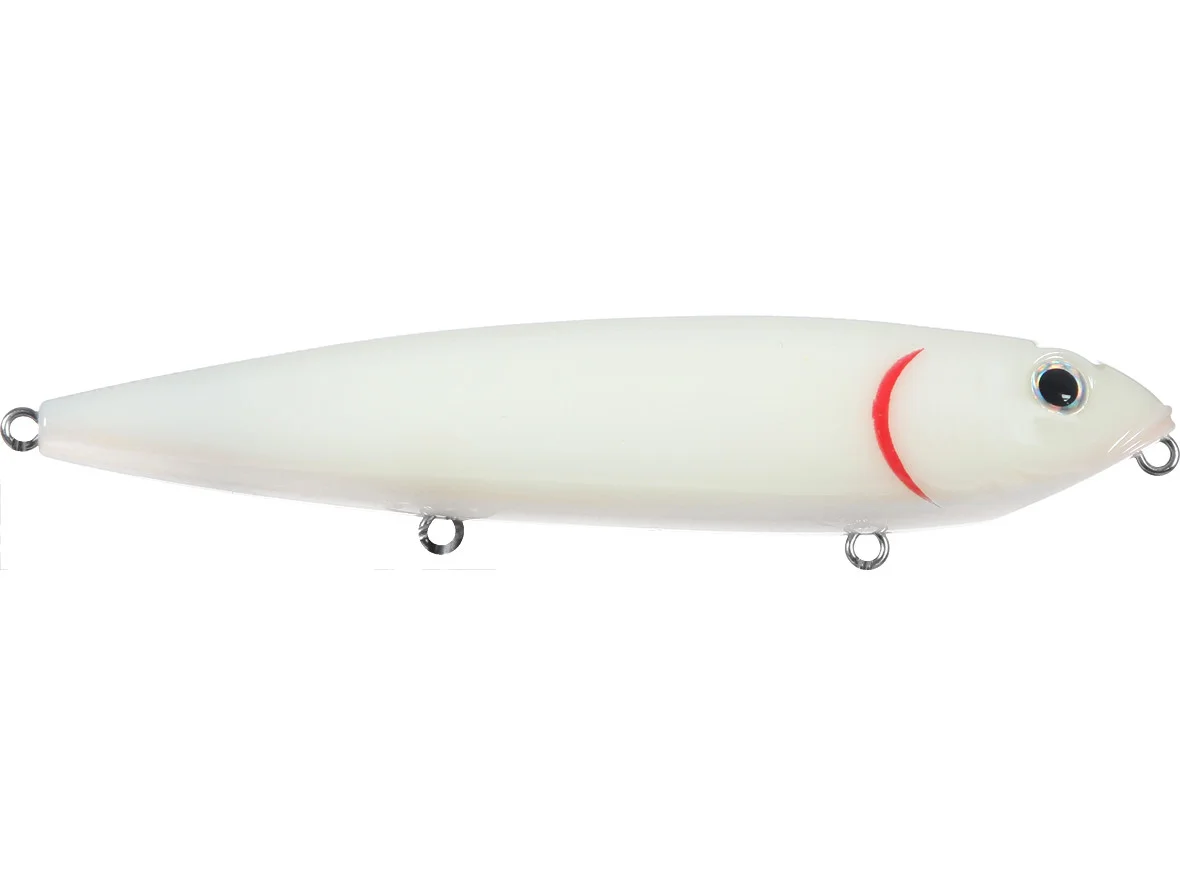
Strike King KVD Sexy Dawg →
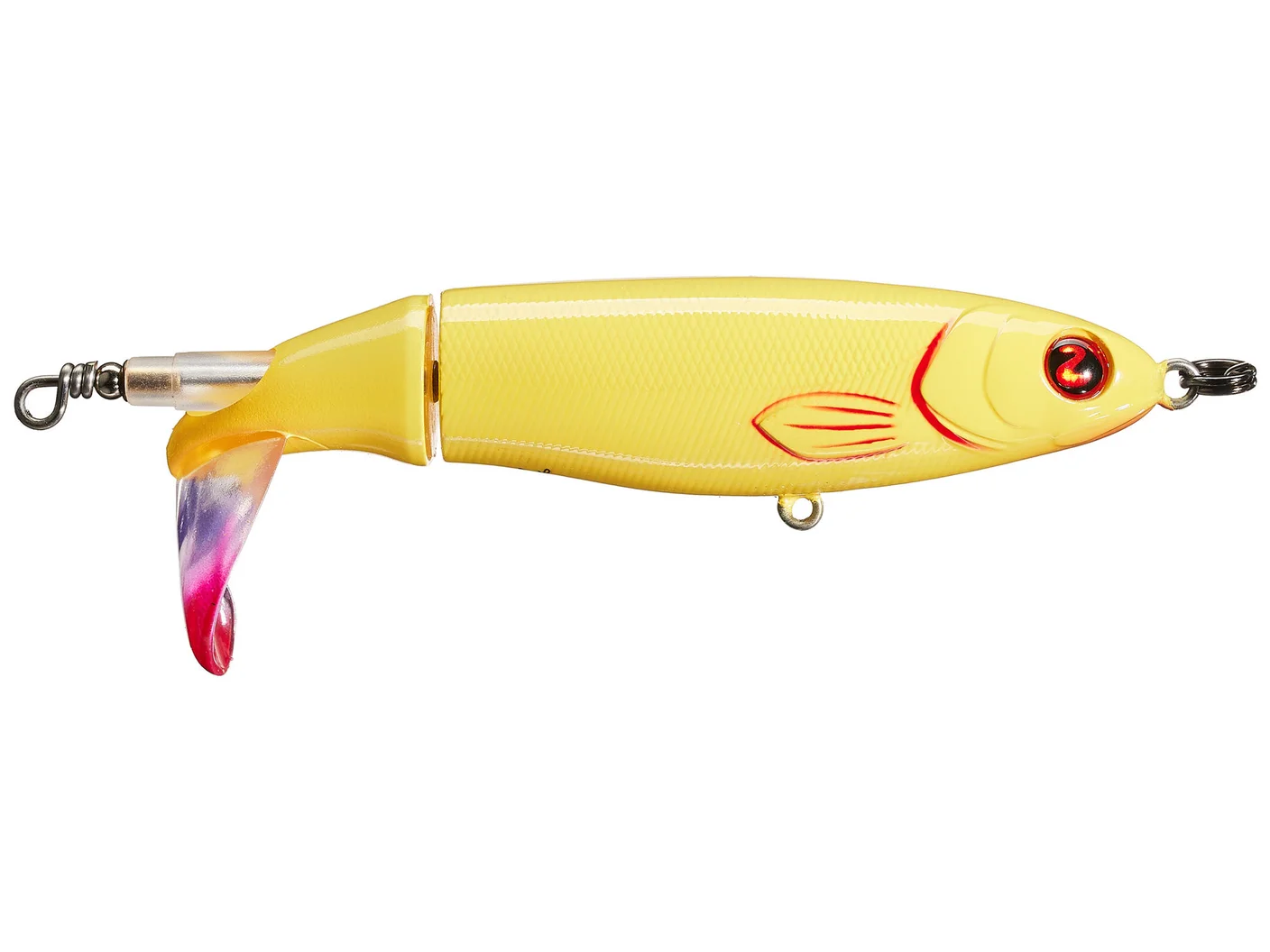
River2Sea Whopper Plopper 130 →
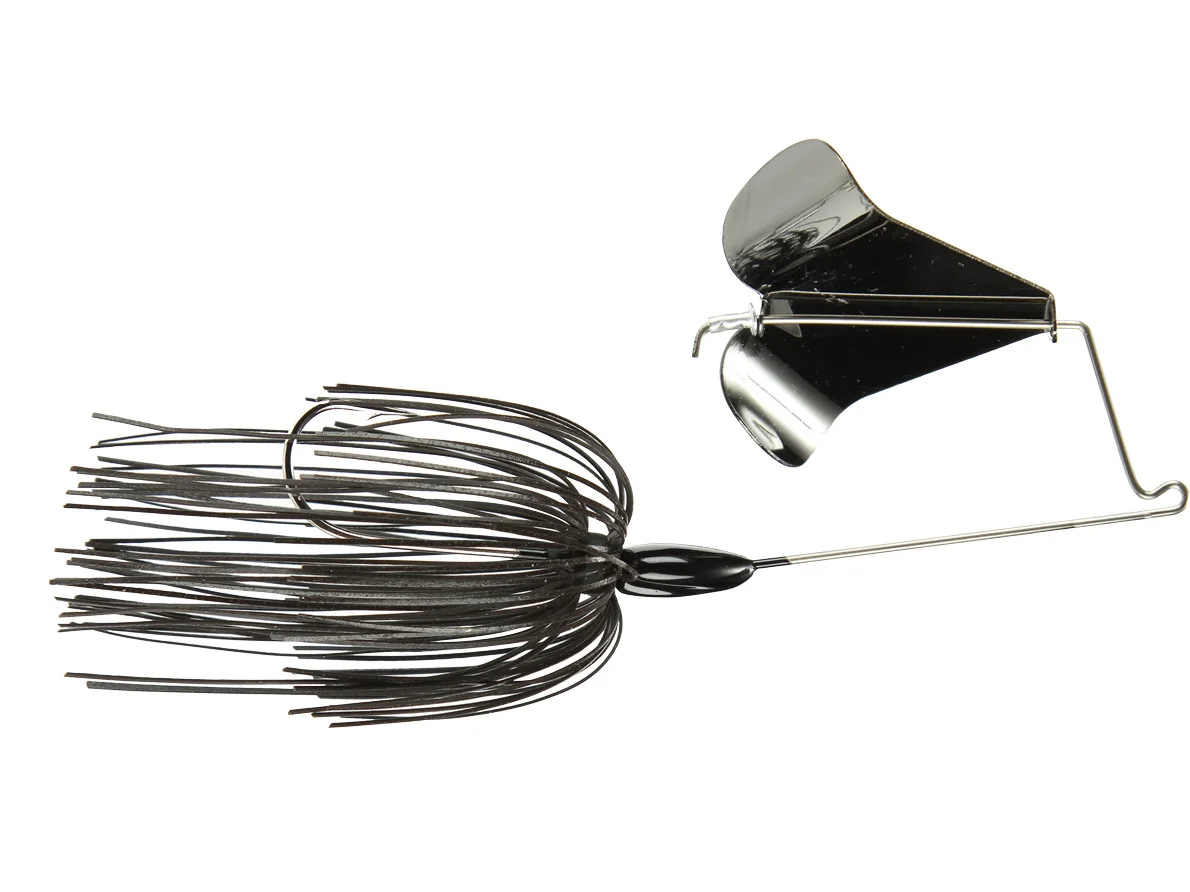
War Eagle Buzzbait →
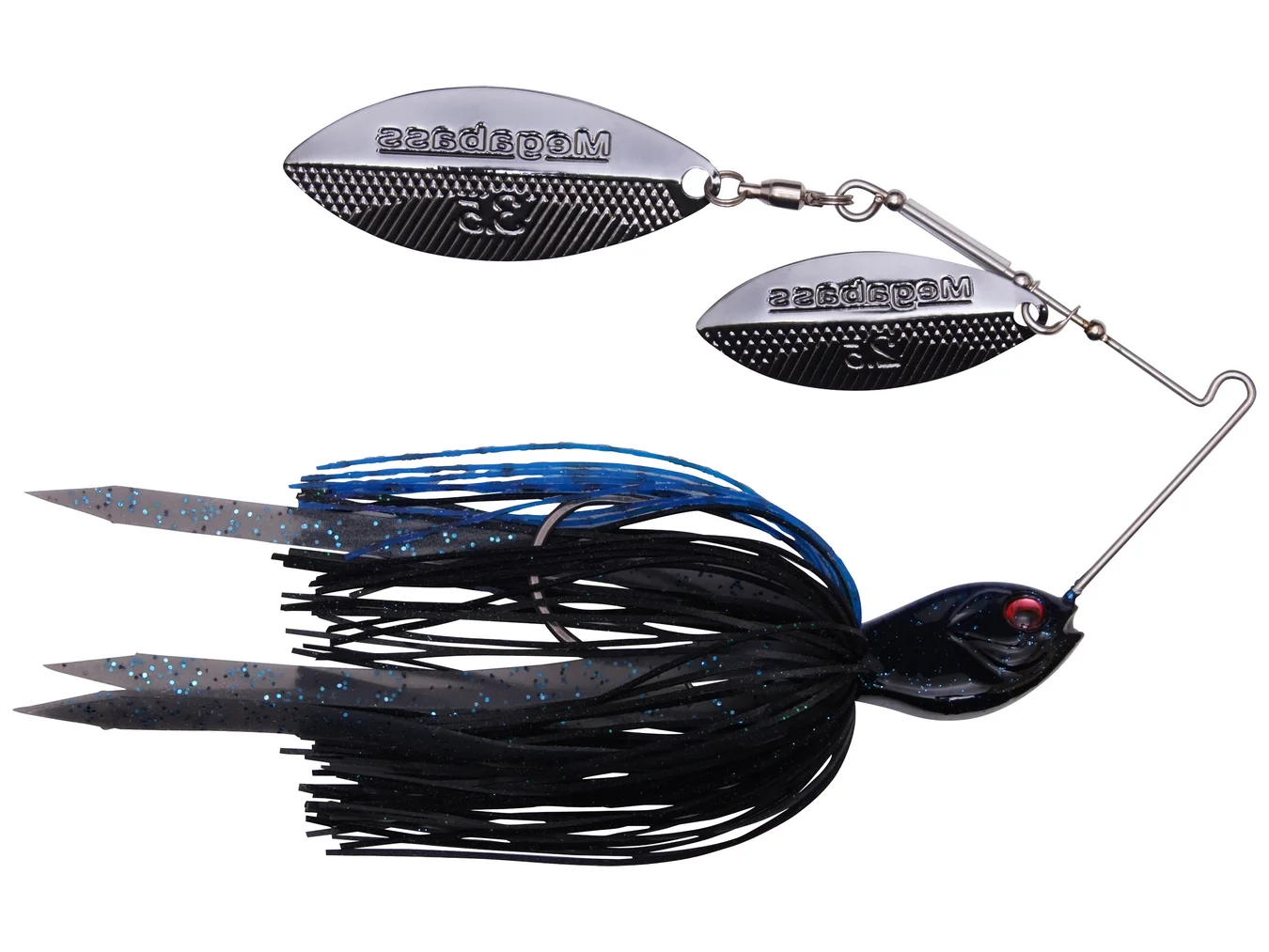
Megabass SV-3 Double Willow →
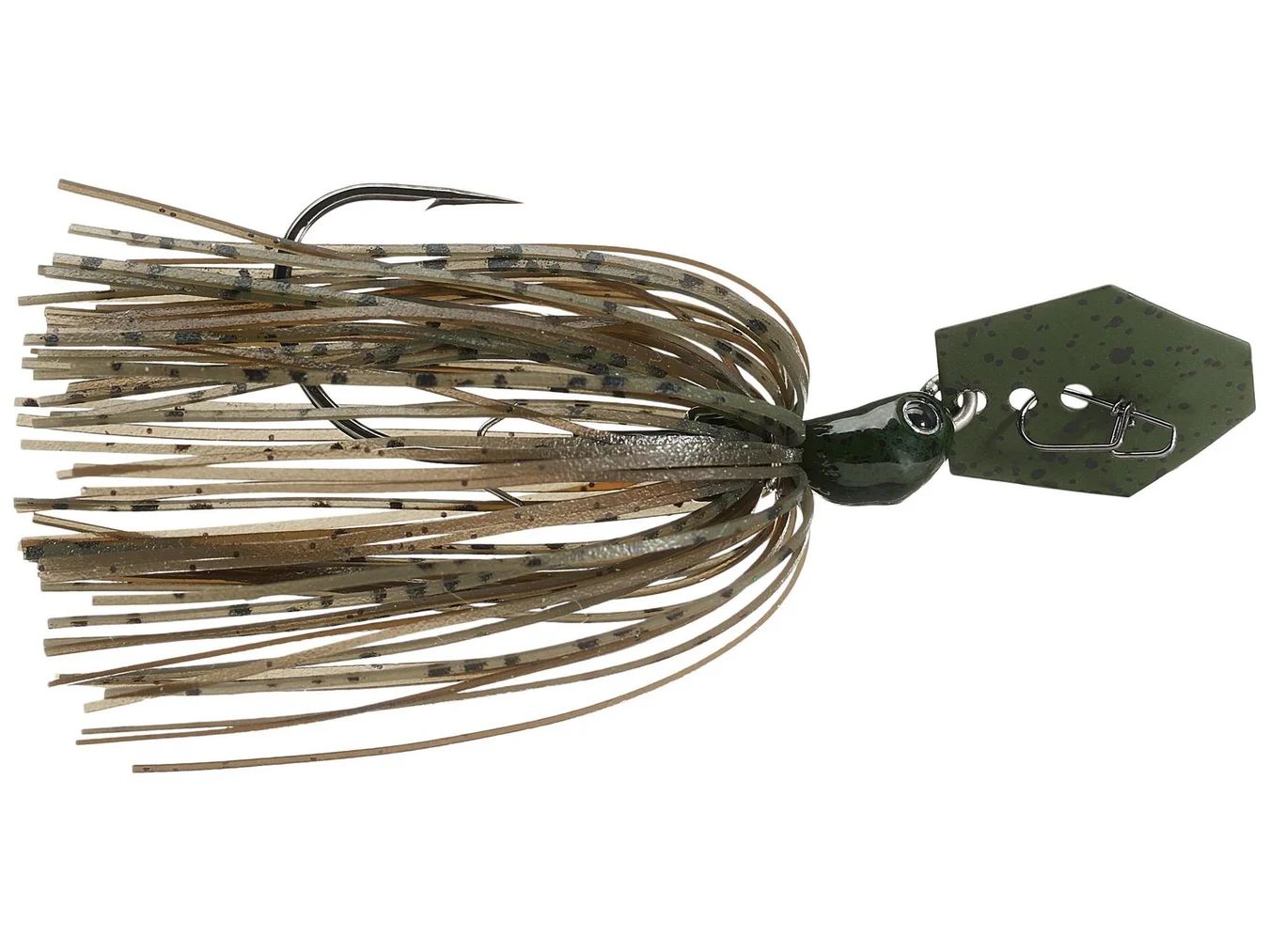
Z-Man Jack Hammer Baby Jack →
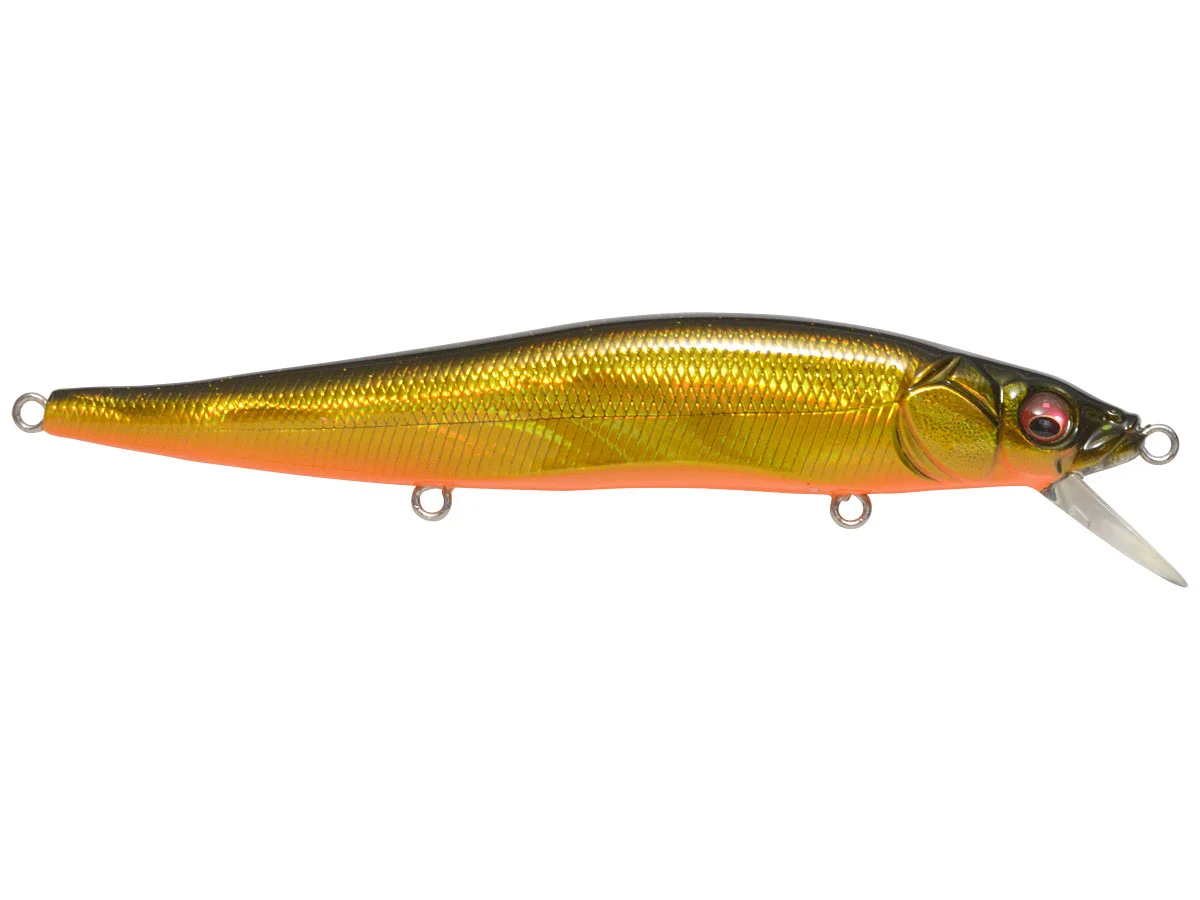
Megabass Ito Vision 110 →
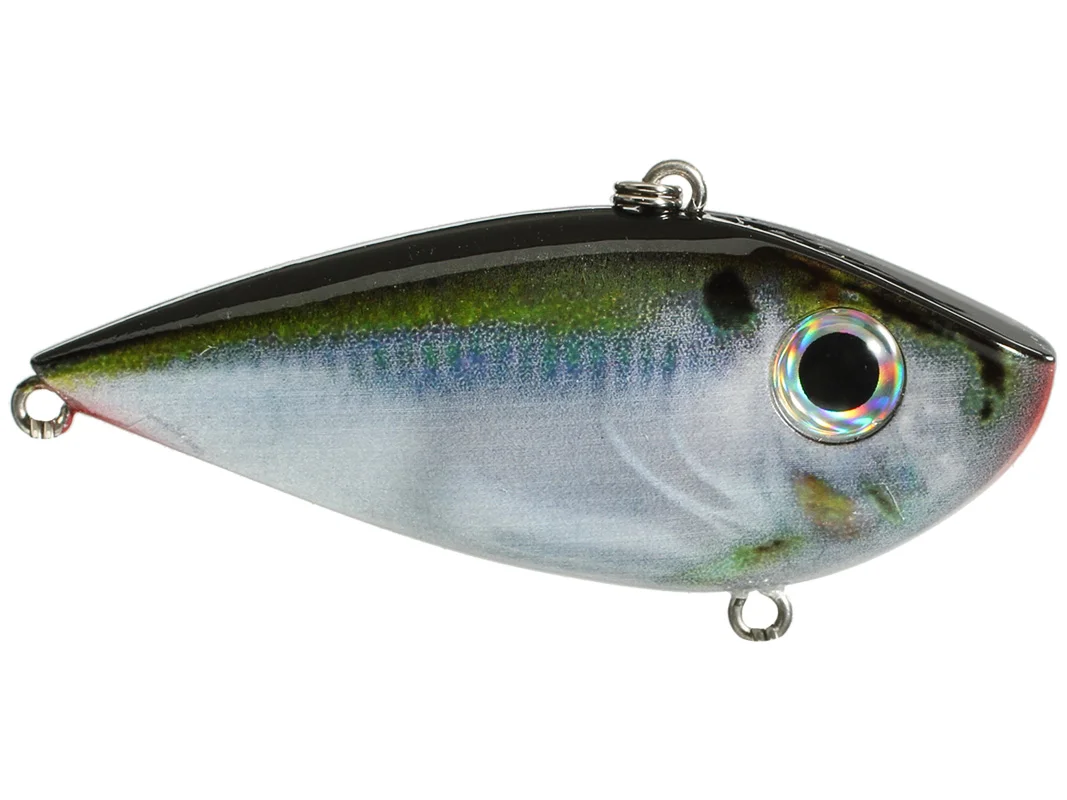
Strike King Red Eye Shad →
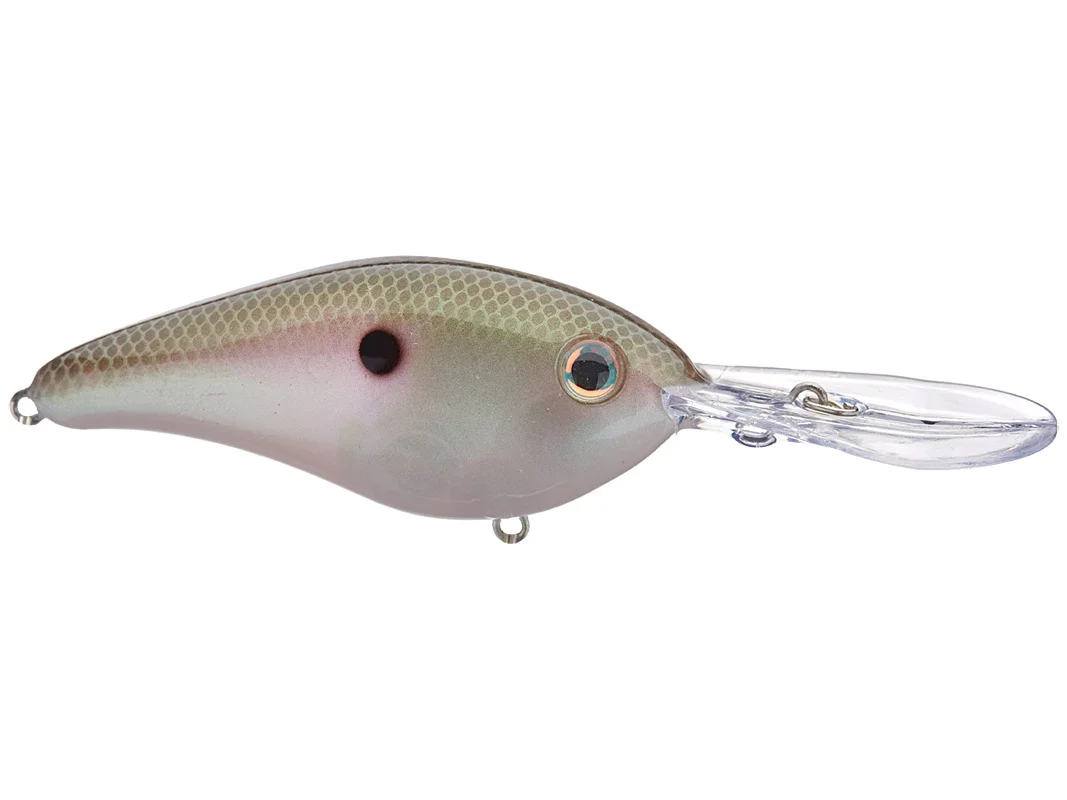
Strike King 6XD →
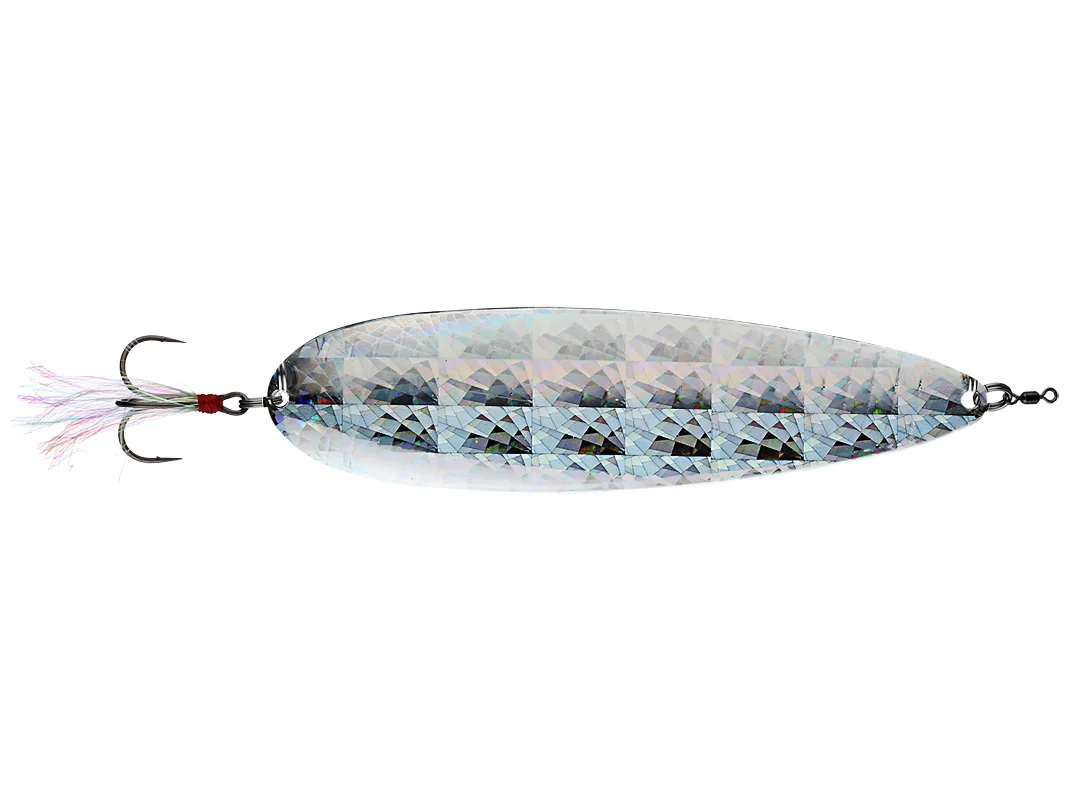
Nichols Ben Parker Magnum Flutter Spoon →
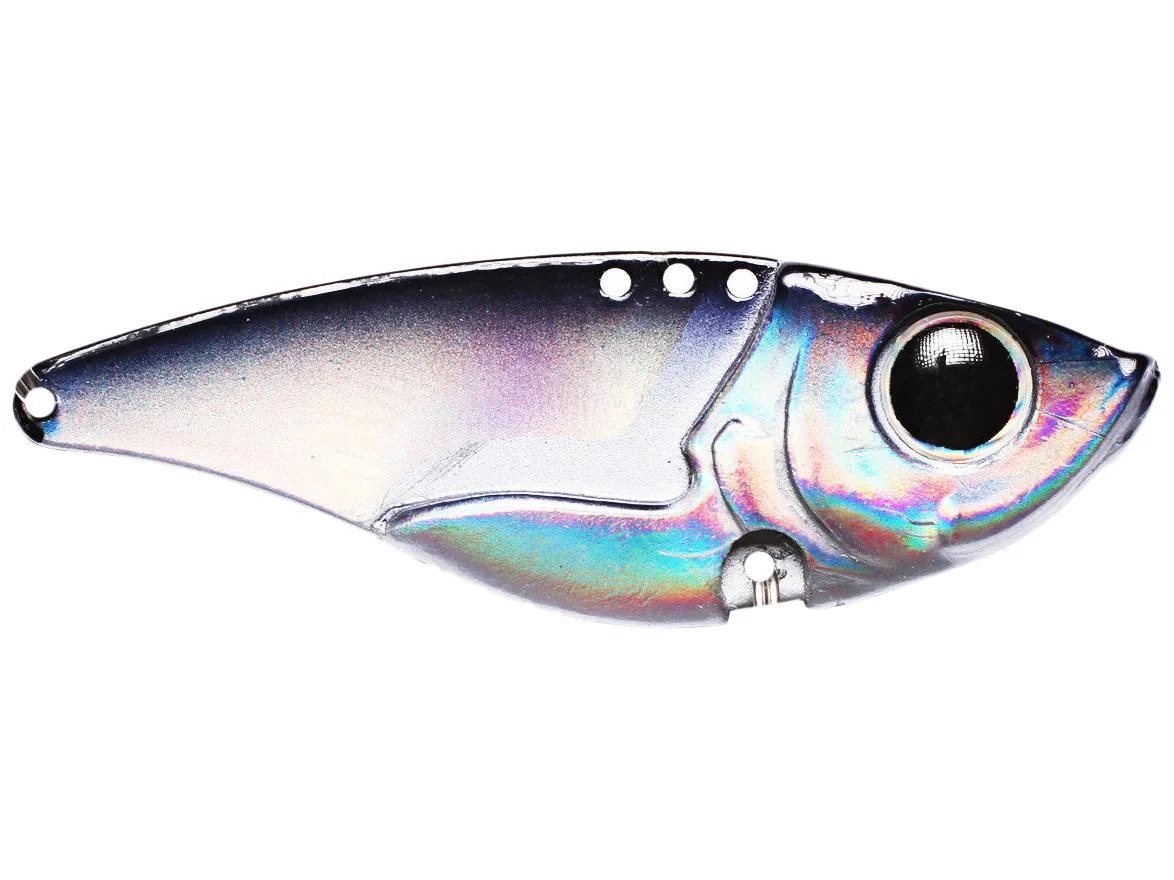
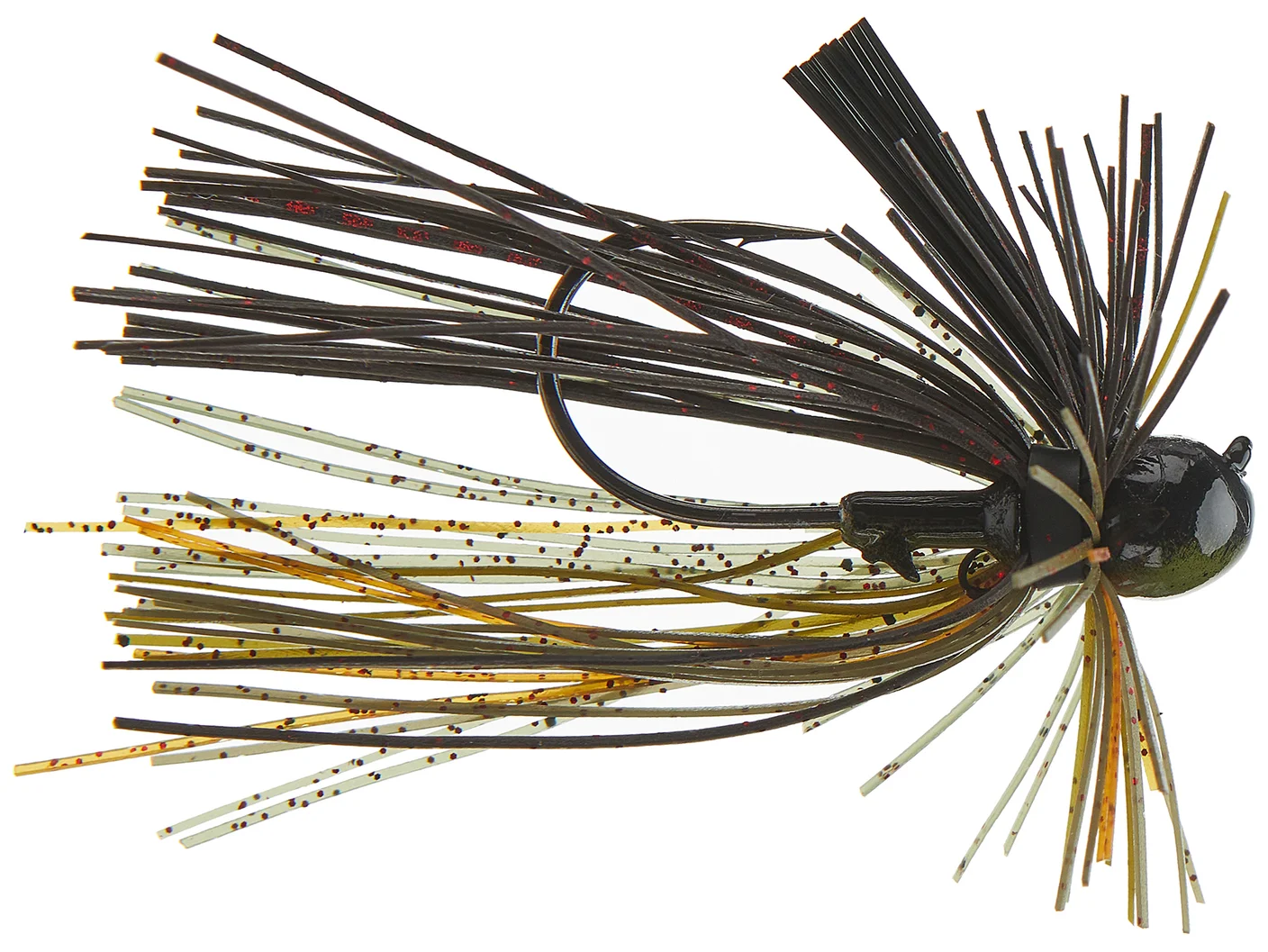
Dirty Jigs L.C. Finesse Jig →
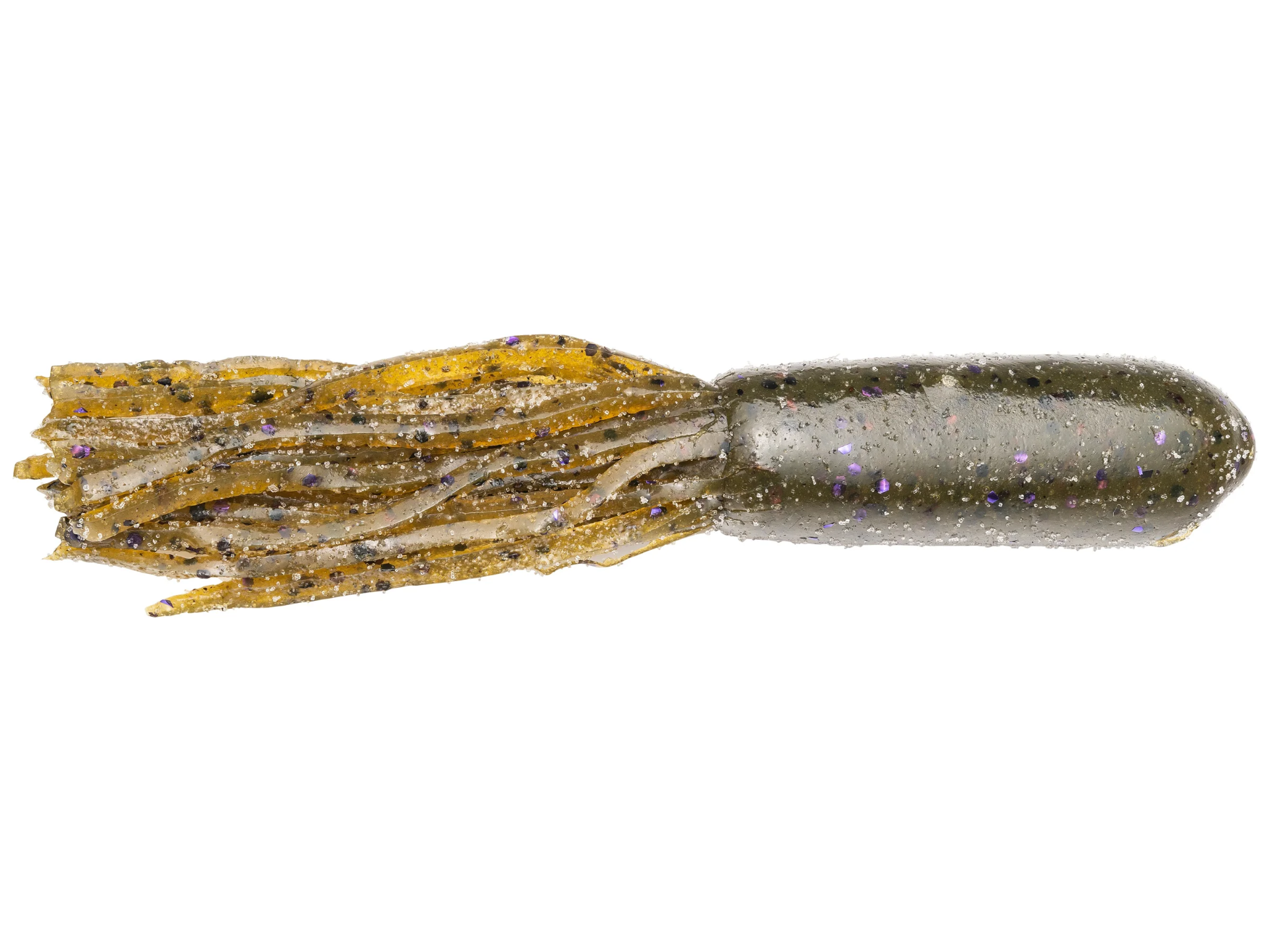
Strike King Coffee Tube →
For line, see the Nine-Spool Line Matrix.
The One-Page Game Plan
- Check the water before anything else: color, smell, bubbles, and whether bait is scattered on the graph. If it's turned, leave.
- Can't leave? Go shallow, find wind or current, work isolated ladder cover, and power fish.
- Not turned yet, or already recovered? Find bait first, then fish the ambush structure next to it: secondary points, creek channel swings, flats, inside grass turns, docks, bridges.
- Cover water fast with a squarebill, spinnerbait, vibrating jig, or topwater. Slow down with a jig or jerkbait only after you've found them.
- Match bait size and color, and shift shallower as the bait moves through October.
- Prioritize morning, evening, and pre-front windows.
Sources
- Mike Iaconelli, "Coping with the fall turnover," Bassmaster
- Kevin Wirth via "How fall turnover affects bass fishing," Bassmaster
- Gene Gilliland via "The truth about fall turnover," Bassmaster
- Kevin VanDam, "How to read fall bass turnover in northern lakes," kevinvandam.com
- Kevin VanDam, "5 best baits you must have to catch big bass in the fall," kevinvandam.com
- Kevin VanDam, "How to catch bass in the fall? What to look for," kevinvandam.com
- Kevin VanDam, "Drawdowns are the Catalyst for Fall Transition" (Parts 1 and 2), Major League Fishing
- "Kevin VanDam's Surefire Fall Tactics" and "Crankbait Tips for Fall Bass With Kevin VanDam," Wired2Fish
- "Fall Bass Fishing – Beginner to Advanced," Wired2Fish
- Matt Allen and Tim Little, "Harvest Moon Fishing – Tips for Fishing the Fall Transition," AFTCO / Tactical Bassin
- "Bass Fishing During the Fall Turnover Period," Mossy Oak
- "15 Basic Bass Fishing Tips for Fishing the Fall Transition," Mystery Tackle Box
- "How to Catch Bass During the Dreaded Fall Turnover," Outdoor Life
- "Solving Fall Turnover," Fins & Tales (Missouri Department of Conservation data)
- "Unmasking Lake Turnover," BassForecast