Reference

Species

Know the fish before you match the stick.

Photos courtesy of Black Bass iNaturalist.

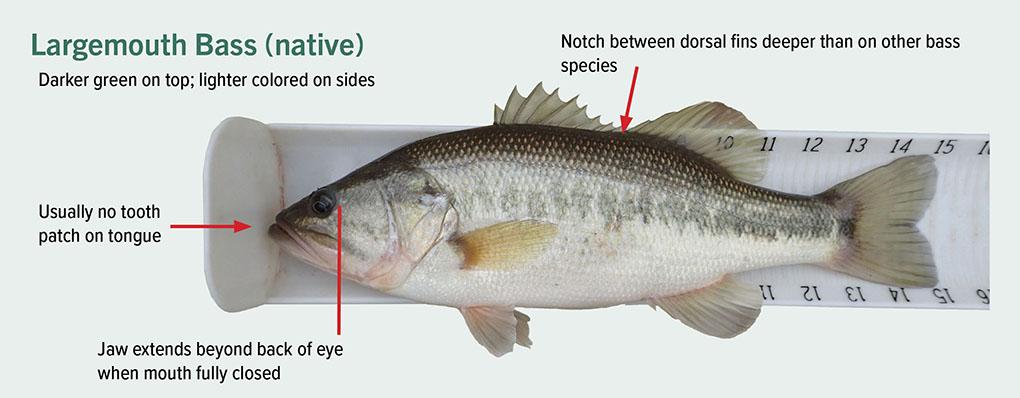
Largemouth Bass identification photo

Largemouth Bass

native

Micropterus salmoides

Range
Continental US, widely introduced worldwide
Size
Avg 1–5 lb, trophy 8 lb+
Forage
Shad, bluegill, crawfish, frogs
Habitat
Vegetation, wood, docks, slack-water creeks
ID tell

Jaw extends past the eye. Solid horizontal lateral stripe. Deep notch between dorsal fins.
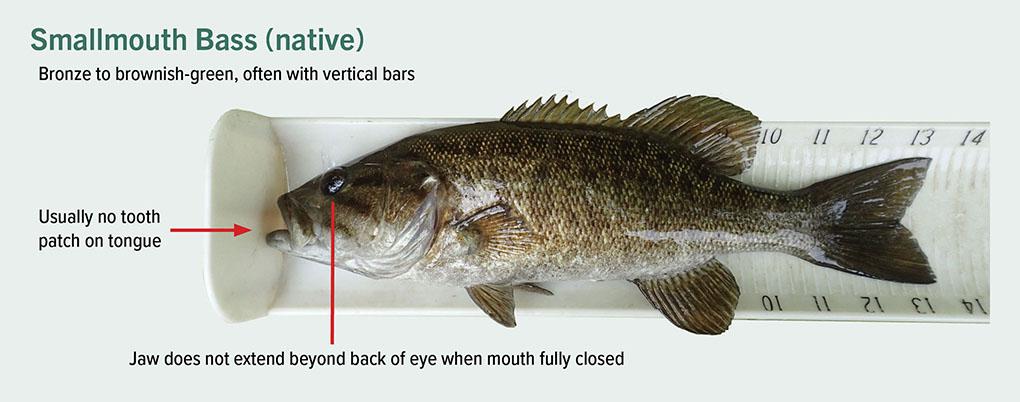
Smallmouth Bass identification photo

Smallmouth Bass

native

Micropterus dolomieu

Range
Northern US, upper Midwest, Great Lakes, river systems
Size
Avg 1–4 lb, trophy 5 lb+
Forage
Crawfish, gobies, smelt, alewife
Habitat
Rocky structure, current breaks, clear cool water
ID tell

Jaw ends under the eye. Bronze flanks with vertical bars. Usually no tooth patch on tongue.

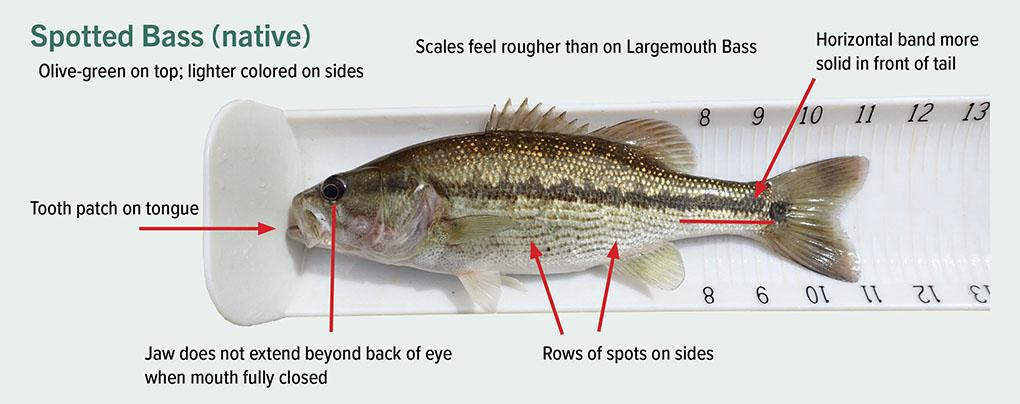
Spotted Bass identification photo

Spotted Bass

native

Micropterus punctulatus

Range
Southeast US, Ozarks, lower Mississippi drainage
Size
Avg 1–3 lb, trophy 4 lb+
Forage
Shad, crawfish, small minnows
Habitat
Steep rocky banks, bluffs, clear reservoirs
ID tell

Rows of spots below lateral line. Tooth patch on tongue. Horizontal band more solid in front of tail.

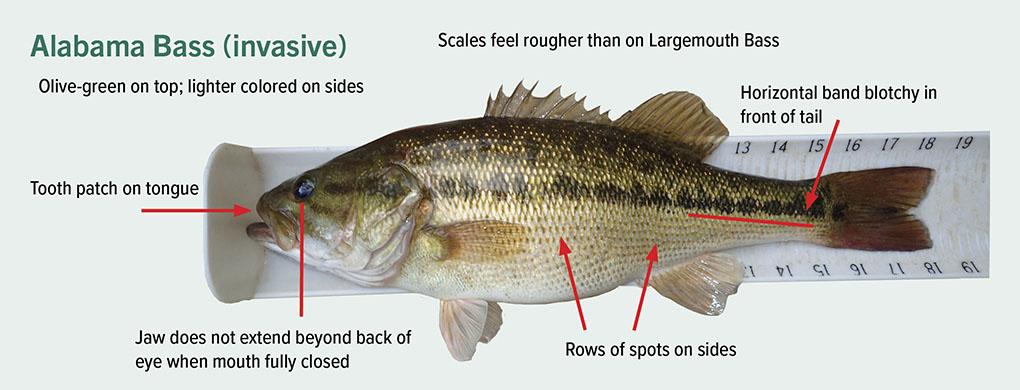
Alabama Bass identification photo

Alabama Bass

invasive

Micropterus henshalli

Range
Native to Mobile basin; invasive across the Carolinas and SE reservoirs
Size
Avg 1–3 lb, trophy 5 lb+
Forage
Shad, blueback herring, crawfish
Habitat
Main-lake points, bluffs, clear reservoirs — outcompetes spots and hybridizes with smallmouth
ID tell

Rows of spots on sides, tooth patch on tongue, horizontal band blotchy in front of tail. Scales feel rougher than largemouth.

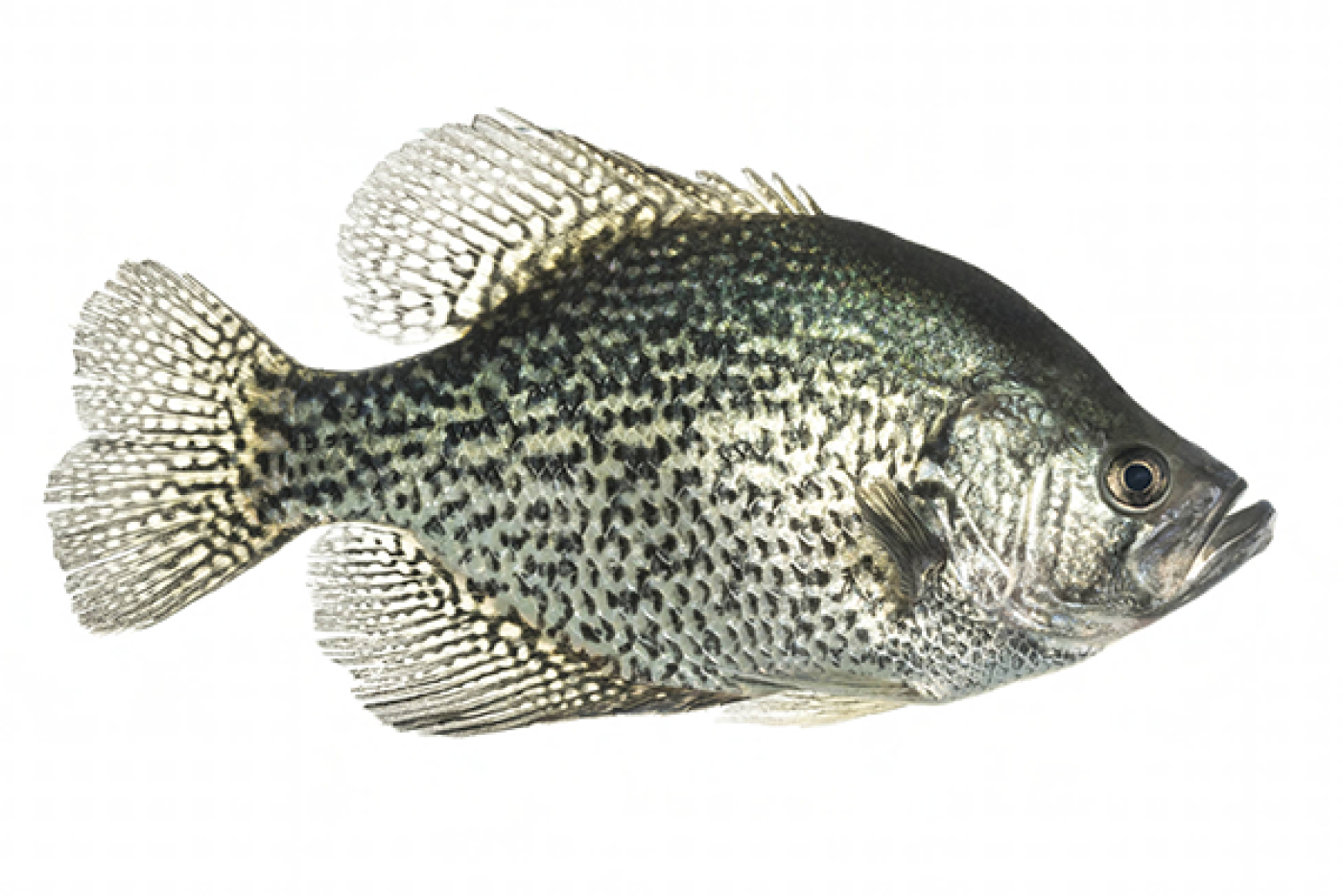
Black Crappie identification photo

Black Crappie

native

Pomoxis nigromaculatus

Range
Native across the eastern US; widespread in NC Piedmont reservoirs
Size
Avg 8–12 in, quality 10 in+, NC state record 4 lb 15 oz
Forage
Minnows, small shad, insects, zooplankton
Habitat
Standing timber, brush piles, deep clear-water reservoirs
ID tell

7–8 dorsal spines. Irregular dark speckles scattered across silvery-green sides — no vertical bars. Spawns at 56–68°F.

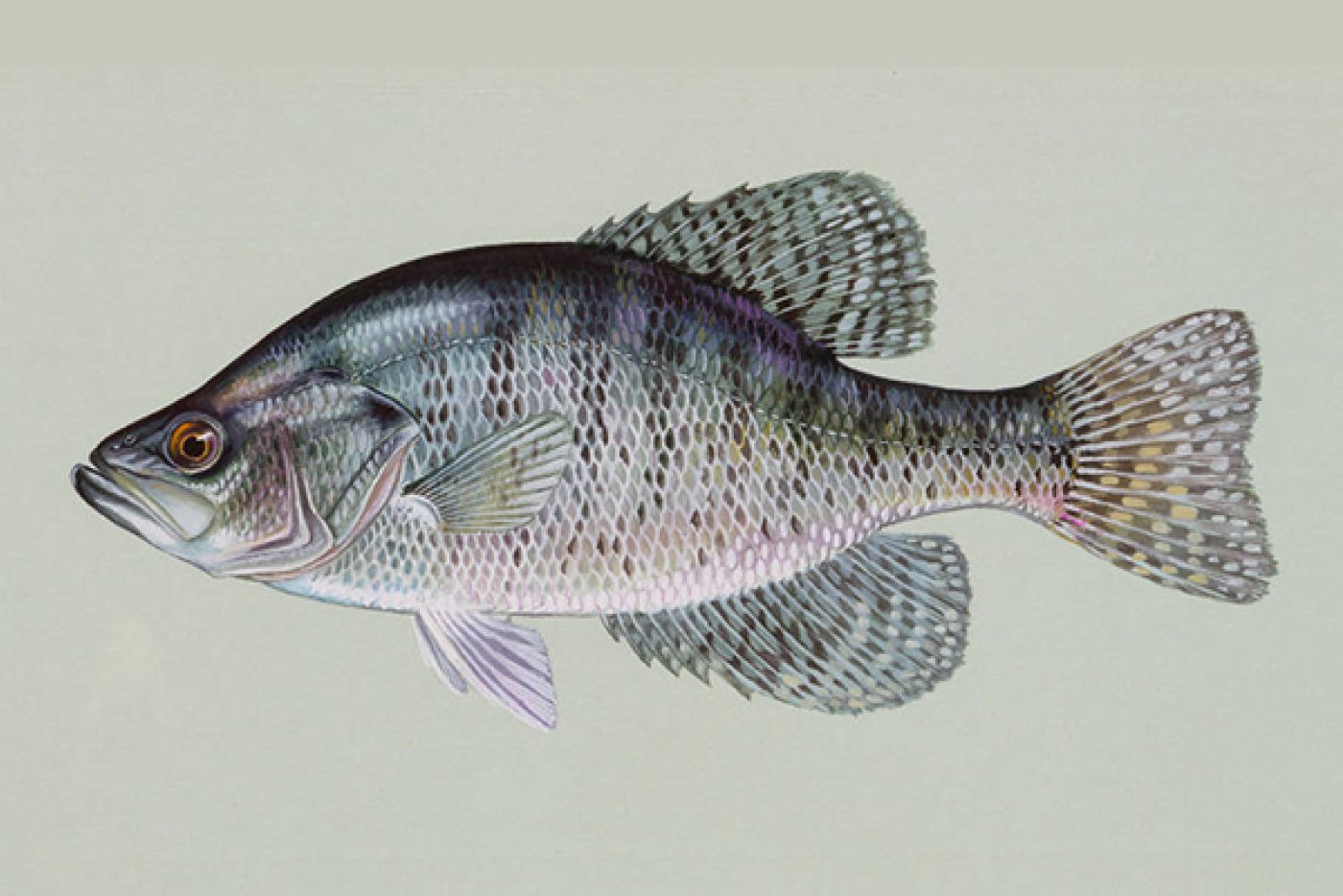
White Crappie identification photo

White Crappie

native

Pomoxis annularis

Range
Native across the eastern and central US; found in NC reservoirs, more tolerant of stained water
Size
Avg 8–12 in, quality 10 in+
Forage
Small shad, minnows, insects, zooplankton
Habitat
Turbid reservoirs, river backwaters, brush and standing timber
ID tell

5–6 dorsal spines. Dark markings arranged in 7–9 faint vertical bars down silvery sides. Body deeper front-to-back than the black.