Field Guide
Coike (Urchin)
The urchin ball that pulls big fish from 10–15 ft of lateral distance around isolated cover.
Confidence
Strong Option
Belews · Fall
Gear
Rod
Wacky spinning: 7'0–7'2" M / Fast · Frog-hook casting: 7'2–7'4" H / Fast · Nose-weighted spinning: 7'0–7'3" MH / Fast
Reel
Spinning 2500–3000 · or 7.3:1+ casting for snap sets (pick up line fast)
Line
Casting rigs: straight 15 lb fluoro (no leader knot to fail on the snap) · Spinning: 10 lb braid → 15 lb fluoro leader (18–24"). Do not drop to 6–8 lb leaders — the fish that eat this are big.
60-Second Refresher
When to Throw
Good Water
Postspawn into early summer is the peak window — the broadest slice of the population will eat an urchin bait. Isolated cover — a lone laydown, a single brush pile, one dock on a bare bank. Solitary, pressured fish suspended around structure. Stained to dirty water where the pressure signature does the work the fish's eyes can't. Outside the peak window it shifts from a numbers-and-quality bait to a big-fish hunting tool — fewer bites, better ones.
Bad Water
Slow-crawled on the bottom (kills the action). Open water with no target cover — this bait needs a target to sit near. Numbers-hunting on scattered schools: outside the postspawn window it's a big-fish tool, not a numbers bait. Downsizing to chase numbers — big-bait fish is where this bait lives.
Rigging Options
Retention and bait-weighting rules come before rig choice
Every rig has to keep the bait attached and keep the weight in the bait.
Bait retention warning: At per bait, losing a Coike on a cast or a missed hookset is a real cost. Every rig below must address retention. Weighting consensus: Across every pro breakdown of this bait, the agreement is the same — the nail weight goes into the preexisting hole in the center of the bait, not on the line and not on the hook. Weight the bait itself, keep the sink rate as slow as you can get away with, and let the material do the work. A near-suspending fall is the goal; only add weight when depth demands it.
Rig 1 — Wacky Single Hook
Open water
Standard wacky hook through the center equator, nail weight in the center hole.
Thread a standard wacky hook through the center equator of the ball and seat a nail weight in the preexisting center hole to control fall rate and angle — weighting the bait, not the hook, is the pro consensus for this presentation. Lock the bait in place with a silicone o-ring or earring backing — a Amazon 100-pack of silicone earring backings is a cost-effective alternative to purpose-built o-rings. Alternative: A weighted wacky jig head puts the weight on the hook instead and speeds up rigging. The Berkley Fusion19 Weighted Wacky Head 5pk is the pick here — stronger wire than most weighted wacky heads, which matters when a big fish balls up the dense elastomer body. Best for: Horizontal fall presentations, open water, ponds and smaller lakes, skipping docks on spinning gear.
Rig 2 — Frog Hook, Owner ST-36 Stinger Treble, or Quad Hook
Tournament rig
Frog hook through the top, Owner ST-36 Stinger Treble Hook via Owner Hyper Wire Split Rings Black, or quad hook — all with real retention.
Run a double frog hook upward through the top of the ball, or attach an Owner ST-36 Stinger Treble Hook via Owner Hyper Wire Split Rings Black. Secure the bait to the hook shank with heat-shrink tubing so the elastomer cannot slide on hard casts or missed hooksets. This is Scott Martin's preferred setup — when a big bass balls the Coike in its mouth, the dense material can prevent a single hook from finding skin, and a trailing treble gets contact almost immediately. A newer variation from the Bass Pro Tour: the quad hook method. Bury one prong of a quad hook into the bait, then bend that hook arm inward so it pins the bait against the shank — retention and exposed hook points in one move. Best for: Heavy structure, docks, standing timber, tournament fishing, skip-casting on baitcasting gear. Heavy cover swap: Around thick cover, replace the treble with a stout single flipping hook (Owner Jungle Flippin' HD Hook or equivalent) so the bait comes through cover clean and you can lean on the fish.
Rig 3 — Nose-Weighted Single
Vertical drop
Owner Haymaker EWG Hook or Owner Cover Shot HD Hook through the top third, heavier nail weight low in the center hole.
An Owner Haymaker EWG Hook or Owner Cover Shot HD Hook through the top third of the ball, with a heavier nail weight seated low in the center hole. This creates a vertical drop presentation for deep main-lake structure or suspended fish on a graph. Fall rate is faster and the bait stays upright on the pause. Best for: Deep structure, suspended fish, post-spawn main lake points.
Hookset by Rig
Match the hookset to the hardware
Do not use the same hookset across all Coike rigs. Trebles, frog hooks, quad hooks, and nose-weighted singles need different pressure.
Wacky single / trailing treble
Low, sweeping crankbait pull
Do not snap — a hard snap tears trebles through thin lip tissue.
Keep pressure steady and let the hooks load.
Frog hook / quad hook rig
Aggressive vertical snap
Scott Martin fishes this like a power bait — heavy gauge hook, high-speed reel, hard upward set.
Pick up line fast and drive the hook.
Nose-weighted single
Steady sweep with the rod loaded
The weight means the fish has already taken the bait deep.
Lean into the fish instead of cracking slack line.
Size Selection
Match size to fish class and water clarity
Downsize for pressure and clarity, upsize for kickers and stain. Green pumpkin / watermelon handles most situations; go dark in dirty water.
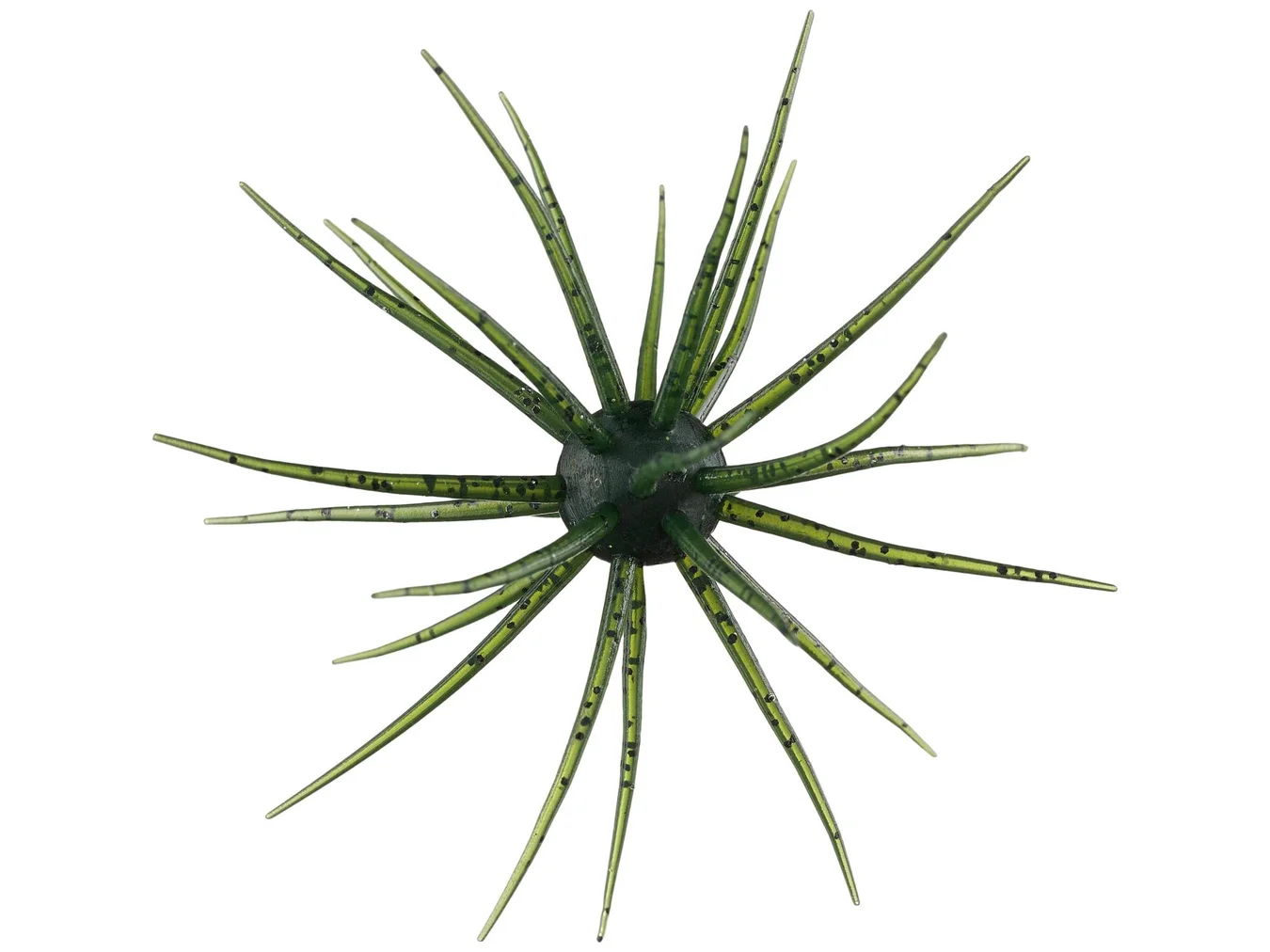
HideUp Coike (13–16mm)
Green Pumpkin
Smallmouth, spotted bass, ultra-clear water, heavily pressured fish
Smaller sizes for finesse and clear water
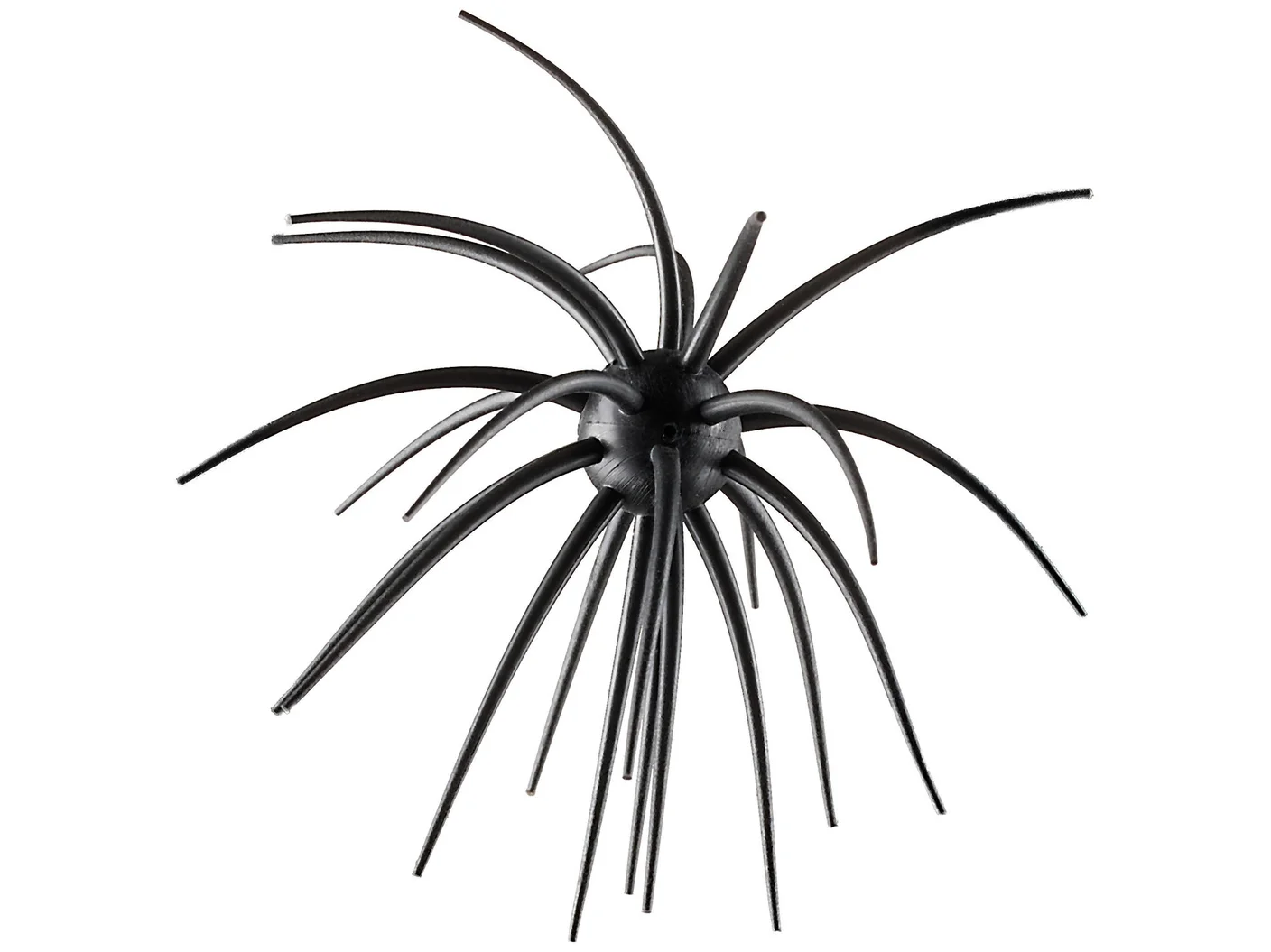
HideUp Coike (20–24mm)
Green Pumpkin / Watermelon
Everyday largemouth range — default size for most situations
The all-around mid-size urchin
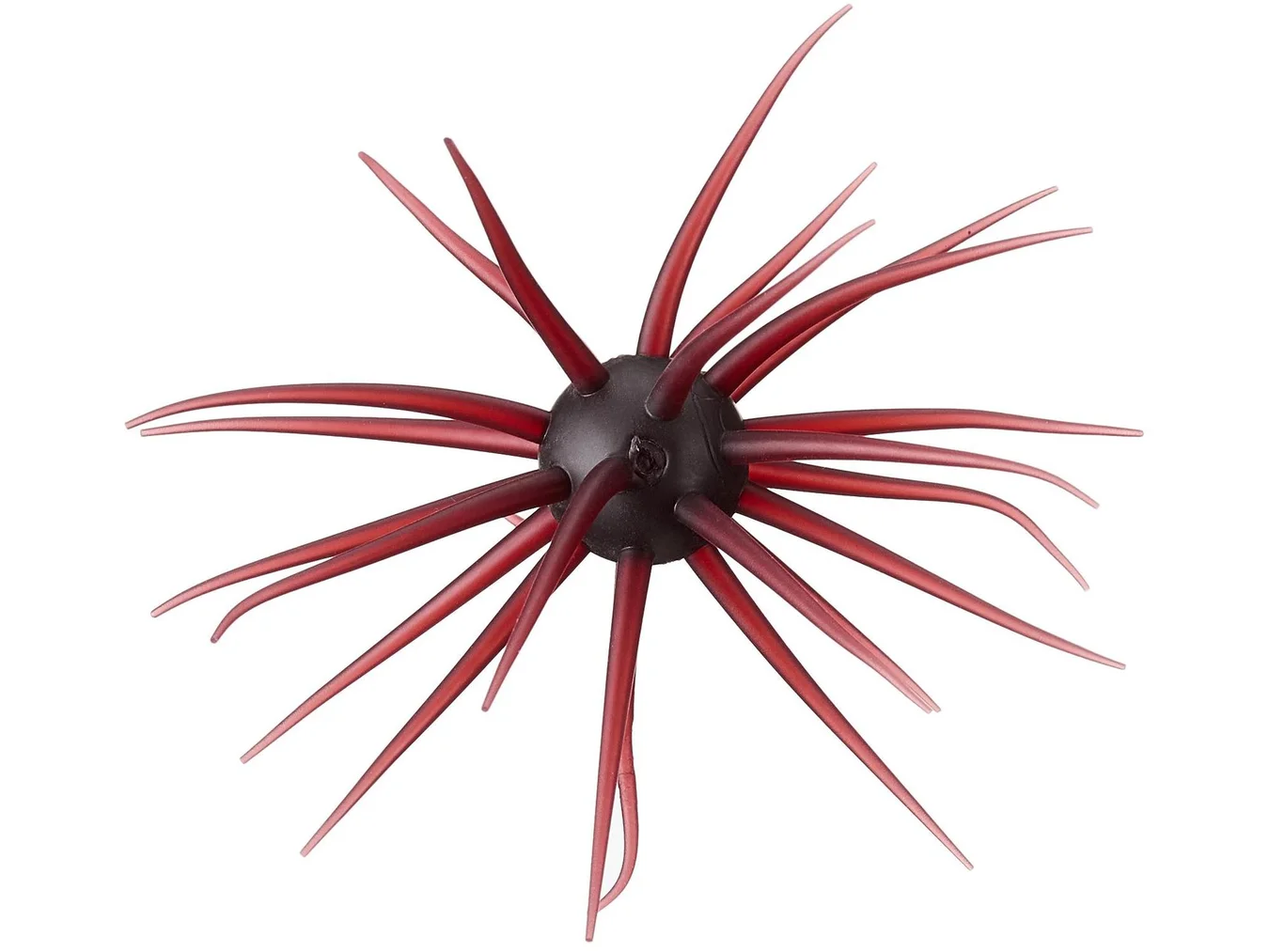
HideUp Coike Suplex (30–32mm)
Black / Junebug
Big fish (3 lbs+), stained-to-dirty water, bigger pressure wave
Large-format urchin — don't be afraid of it
Retrieves
Twitch-pop-pause · Follower fix · Skip · Vertical drop
Cast past the target, count it down, then work it like a suspending jerkbait: sharp rod-tip pops, then a 1–2 second pause — the pause is the trigger. The bait pulls fish from 10–15 ft of lateral distance, so fish it slow enough that curious bass can track it down.
Twitch-Pop-Pause
1/8 oz nail weight
Default cadence — the standard suspending-jerkbait rhythm
Sharp rod-tip snap → 1–2 second pause; the pause is the trigger
Quivering Shake
Dead-stick shake
Follower that tracks but won't commit
Kill the retrieve, barely quiver the rod tip in place
Vertical Drop
3/16–1/4 oz nose-weighted
Deep structure or suspended fish on the graph
Nose-weighted single, drop straight down, steady loaded sweep on the bite
Skip Cast
Frog hook + heat-shrink
Under docks and overhangs
Retention rig required — the bait skips flat with practice
Weight Selection
As light as the depth allows — sink rate is everything
Weight the bait itself through the center hole. When in doubt, size down; a slower fall out-fishes a faster one with this bait almost every time. The goal is a near-suspending fall — only add weight when depth demands it.
1/16 oz
0–5 ft · very slow fall
Shallow docks, pre-spawn flats
1/8 oz
4–10 ft · moderate fall
General purpose, open water — start here if you're unsure
3/16 oz
8–15 ft · fast fall
Main lake points, summer structure
1/4 oz
12–20 ft · very fast fall
Deep standing timber, suspended fish on a nose-weighted rig
Seasonal Windows
Peak = postspawn/early summer · Big-fish tool the rest of the year
Peak window is postspawn into early summer; outside that it's a kicker-fish tool. Adjust rig and cadence to what the fish are doing, but the bait works every season with the right presentation.
Pre-spawn (Mar–Apr)
Wacky single, 1/16–1/8 oz
Slow horizontal fall near spawning flats
Long pauses, cover the shallow flats leading into pockets
Spawn / Post-spawn (May–Jun)
Frog hook for skip casts
Prime time — docks, shallow wood, first breaks off spawning pockets
Jerkbait cadence; broadest slice of the population will eat it
Summer (Jul–Sept)
Nose-weighted 3/16–1/4 oz
Main lake points, standing timber, suspended fish
Vertical drop next to the trunk or over the break
Fall (Oct–Nov)
Wacky single, light weight
Horizontal fall over submerged grass
Expect fewer but heavier fish
Alternatives Worth Owning
The urchin category expanded in 2026 — each has a real reason to exist
The Coike created the category, but competitors bring genuine differences worth having in the box. Every major soft-bait manufacturer is racing to release one, and denser compounds are pushing the action further.
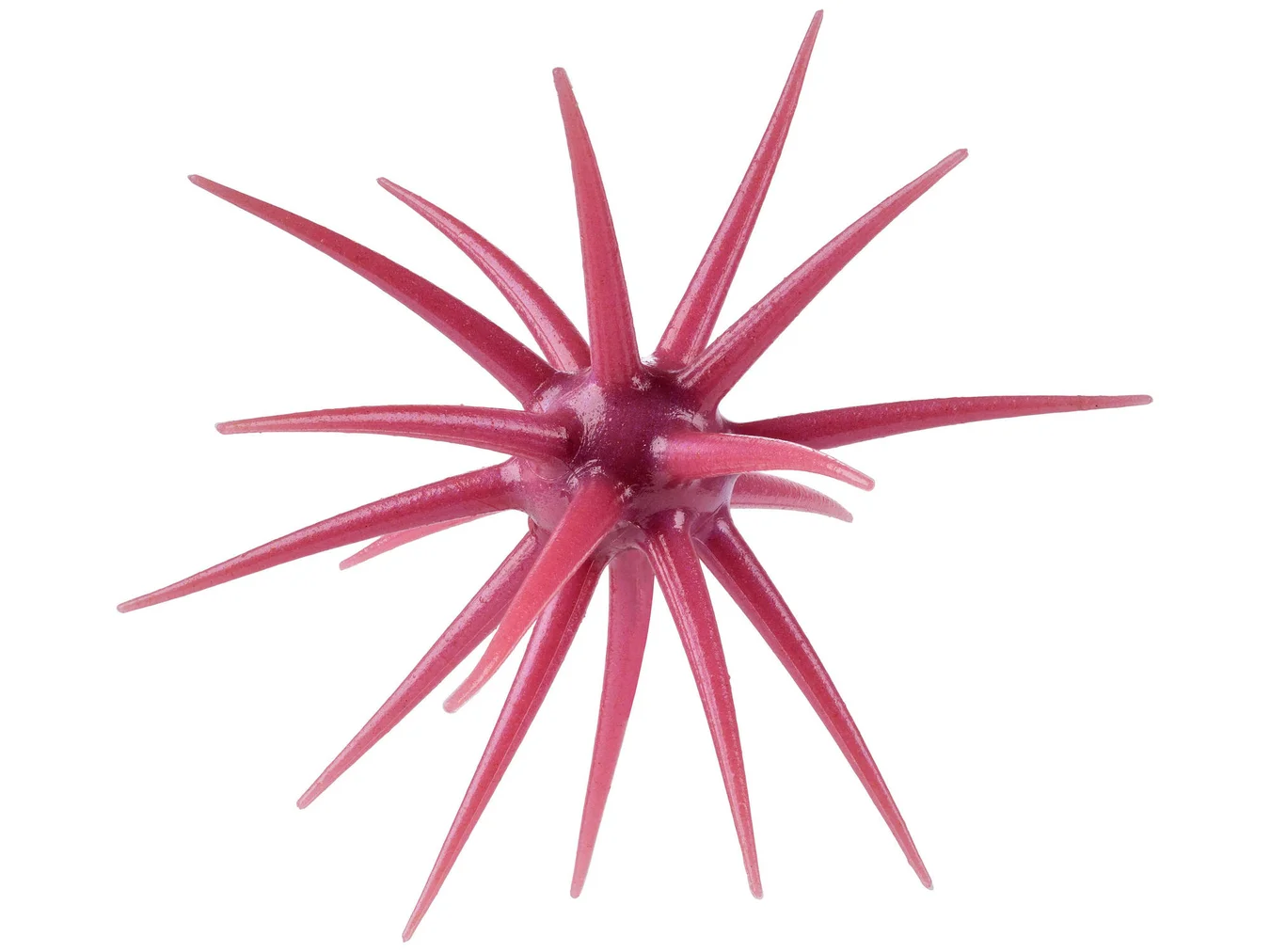
Berkley PowerBait MaxScent Moeba
3.5" and 4.5"
Released May 2026. Heavier, denser material than TPE — fishes without added weight in shallow-to-mid depths (only weight beyond 8–10 ft), casts farther, skips better, and carries MaxScent (no TPE bait can).
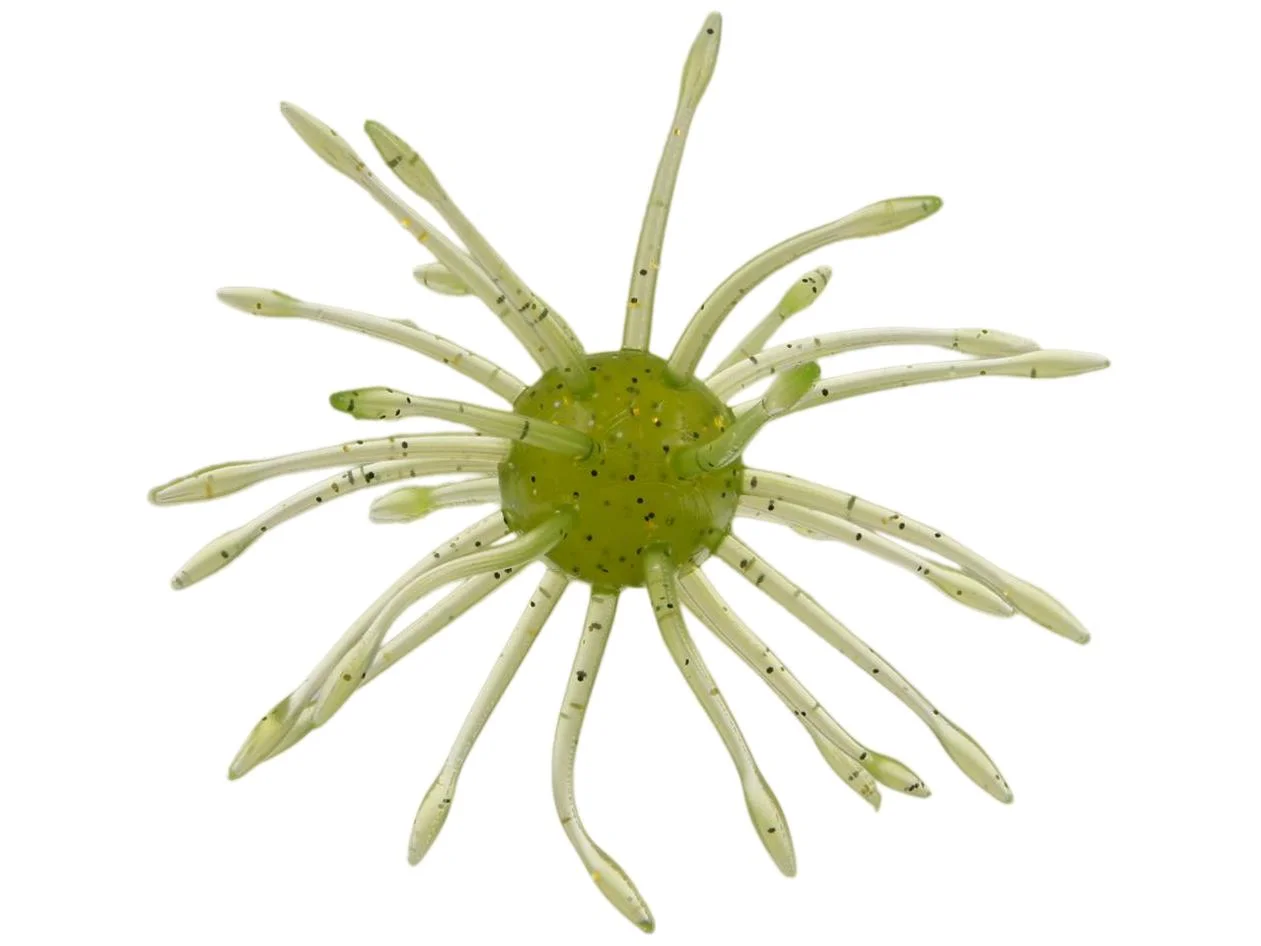
Yamamoto Uni / Uni HD
16mm / 20mm Mas / 24mm Max
The Uni was one of the first widely available U.S. urchins. Uni HD uses a denser plastic for stronger water displacement across three sizes.
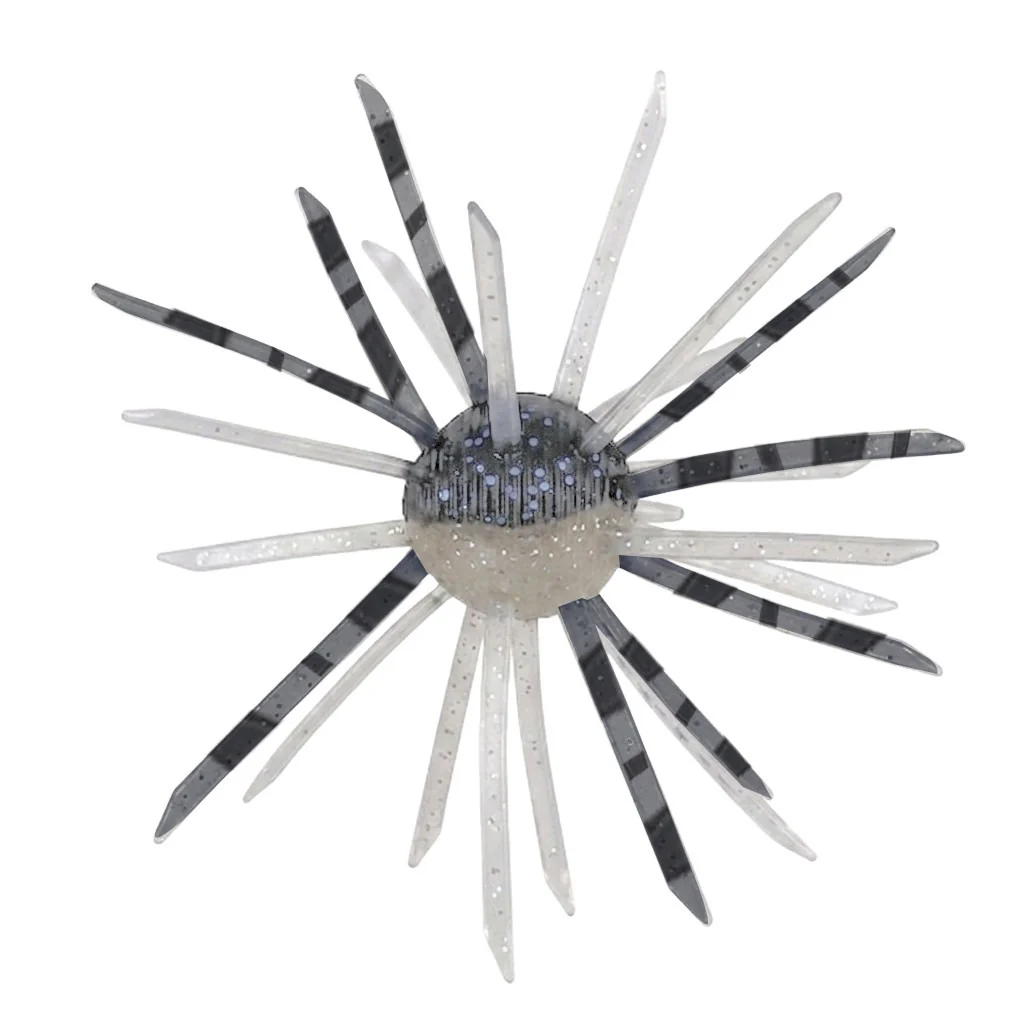
Geecrack Magnum Cue Bomb
Large format
Co-designed with Bass Pro Tour input for the big-bait end of the category. Verify stock before buying — new release.
Where to Throw Each
Isolated Laydowns
A lone tree on a bare bank — the urchin's drawing power is at its best when one piece of cover concentrates fish.
Single Brush Piles
Count it down above the top of the brush, then twitch-pop-pause on top.
Lone Docks
Skip the frog-hook rig under the dock; the round body skips flat with practice.
Standing Timber
Nose-weighted vertical drop next to the trunk on deep summer fish.
Main Lake Points
Post-spawn to summer — count down to the first break and work the drop.
Suspended Fish
The bait that gets the eat from suspended fish around cover that won't commit to a jig or worm.
Submerged Grass (Fall)
Wacky single with light weight — horizontal fall over the top of the grass edges. Fewer but heavier fish.
Cheat Sheet
First-time throw / unknown
20–24mm Coike, wacky single with 1/8 oz nail weight, 10 lb braid to 15 lb fluoro leader. Twitch-pop-pause past isolated cover.
Tournament / heavy cover / docks
Frog hook, Owner ST-36 Stinger Treble Hook, or quad-hook rig with heat-shrink retention. 7'2"+ heavy rod, straight 15 lb fluoro, high-speed reel, aggressive snap set.
Deep structure / suspended fish
Nose-weighted single (3/16–1/4 oz) seated low in the center hole. Vertical drop, steady loaded sweep on the bite.
Follower won't commit
Kill it and switch to a tight quivering rod-tip shake — the minnow-shake cadence.
Around thick cover
Swap the Owner ST-36 Stinger Treble Hook for a stout single flipping hook (Owner Jungle Flippin' HD Hook); come through cover clean.
Pressured, gin-clear water
Drop to 13–16mm, lightest weight you can get away with, longest possible pause.
Stained to dirty water
Upsize to Suplex 30mm — bigger pressure wave does the work the fish's eyes can't.
Fluke-slow / floating sink rate
You're on straight braid or mono — the TPE body floats. Switch to fluoro leader or straight fluoro main.
Fall over submerged grass
Wacky single, 1/16 oz, horizontal fall across grass edges. Expect fewer but heavier fish.
No forward-facing sonar
Blind-cast to visible cover — isolated laydowns, single brush, lone docks. The drawing power of the bait finds the fish.
Shop the recommended gear, lures, and trailers
33 hand-picked items for this technique