JPFish Tackle Reports · Monthly Tackle Report
Bass Tackle Intelligence Report — August 2026
ICAST is two weeks behind us, the Pro Circuit just crowned a champion at Champlain, and the urchin category finally has something it hasn't had all year: inventory. This issue covers what you can actually buy, what the pros have figured out about fishing it, and one supply-chain story that will quietly change what your terminal tackle costs.
The Lead: The Urchin Is Finally Buyable — At the Right Price, If You're Careful
For most of 2026, the honest advice on urchin baits was "you can't get one." Hideup Coikes were going for north of $100 on the secondary market. That's changing fast, and the change has two parts worth understanding.
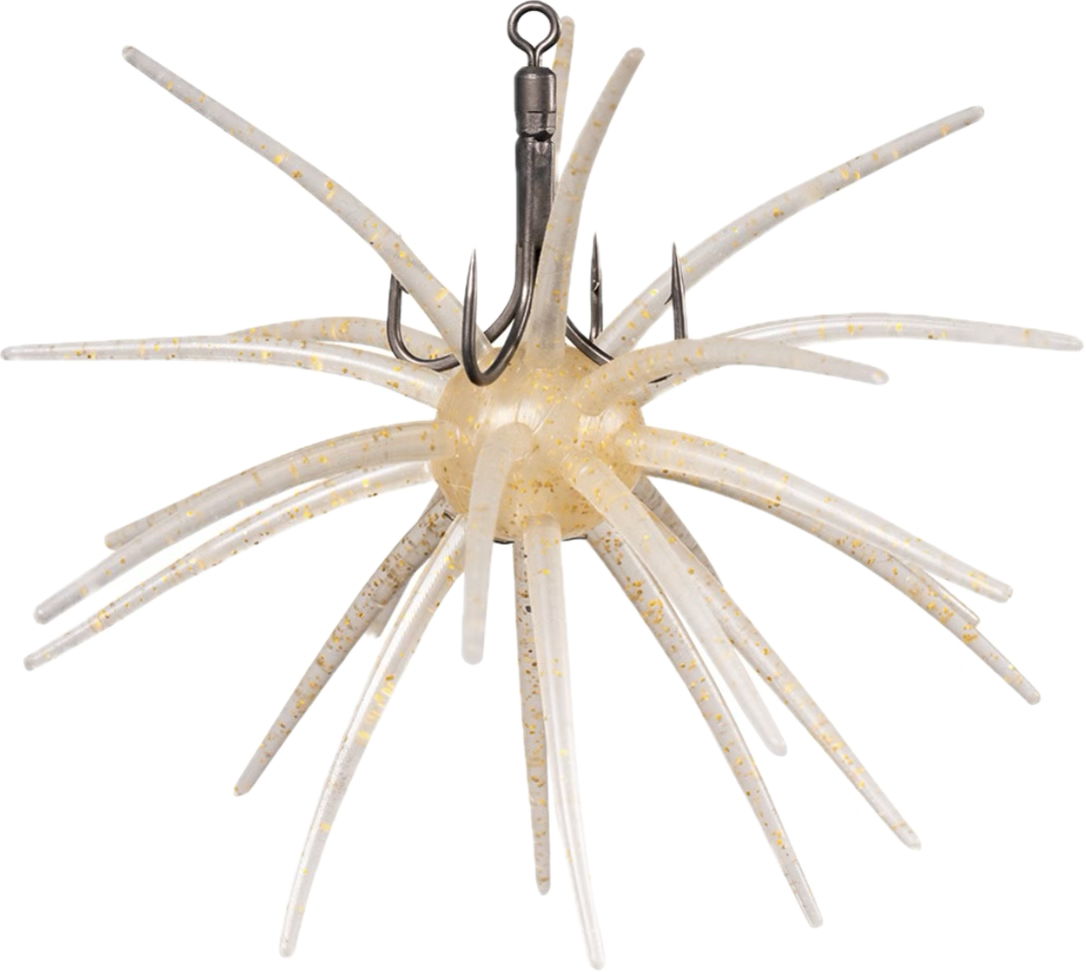
Part one: supply arrived. Tackle Warehouse's ICAST release page now lists a genuine spread of options, including the Geecrack Magnum Cue Bomb 1.5" (around $18), the Big Bite Baits Orbix (about $7), the BassMooch Gumball 17mm, the Imakatsu Dumbbell Crab Elastomer 22mm, and — notably — the Hideup Coike Micro at 5mm, the smallest Coike size we've seen listed — noting that 5mm describes the center core, not the bait overall, the same convention Geecrack uses in calling the Magnum Cue Bomb a 30mm ball at 130mm overall. Tackle Warehouse is carrying the Magnum Cue Bomb as well. Yamamoto's Uni HD arrived in three sizes. Berkley's MaxScent Moeba has been out since May.
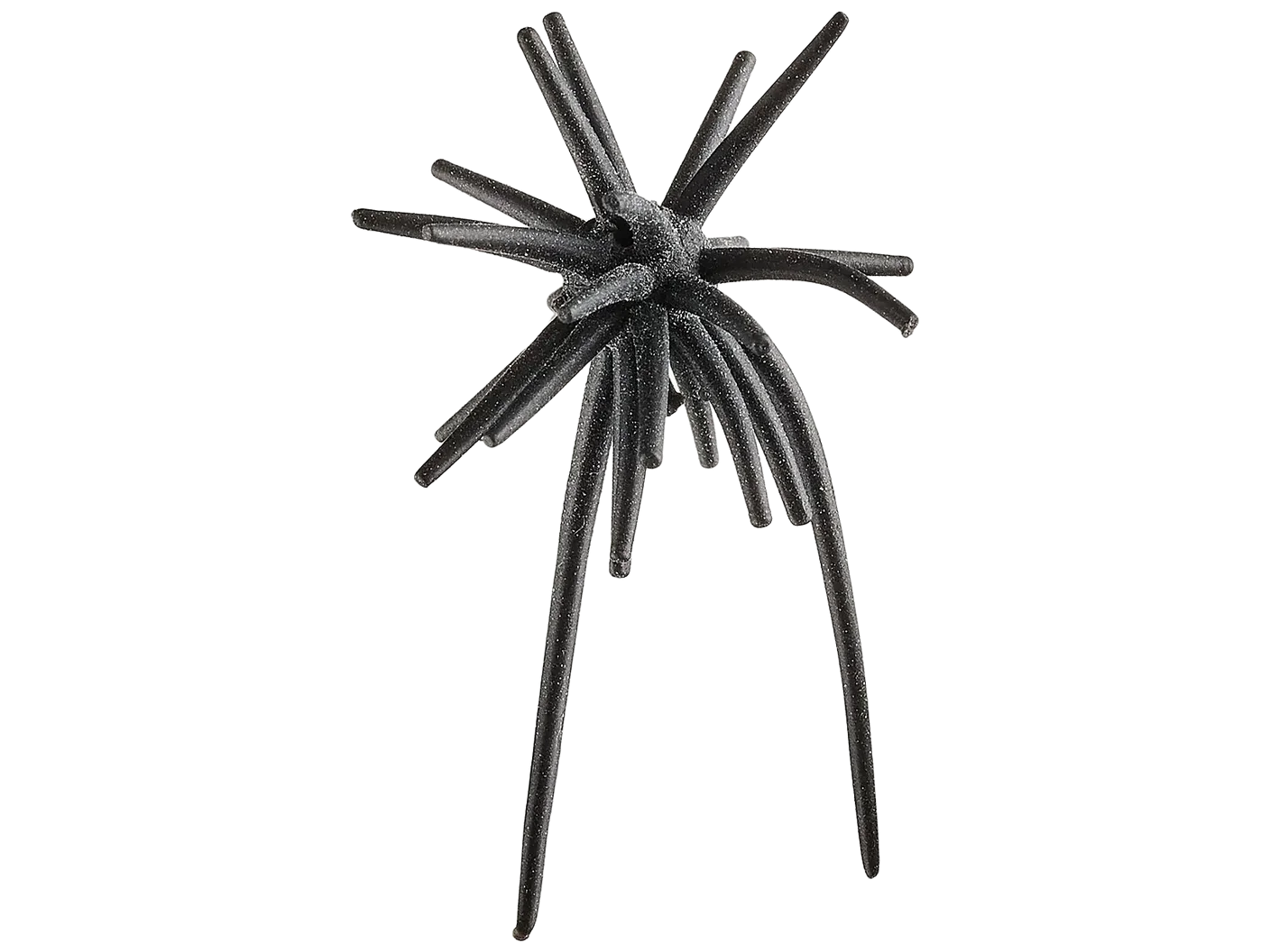
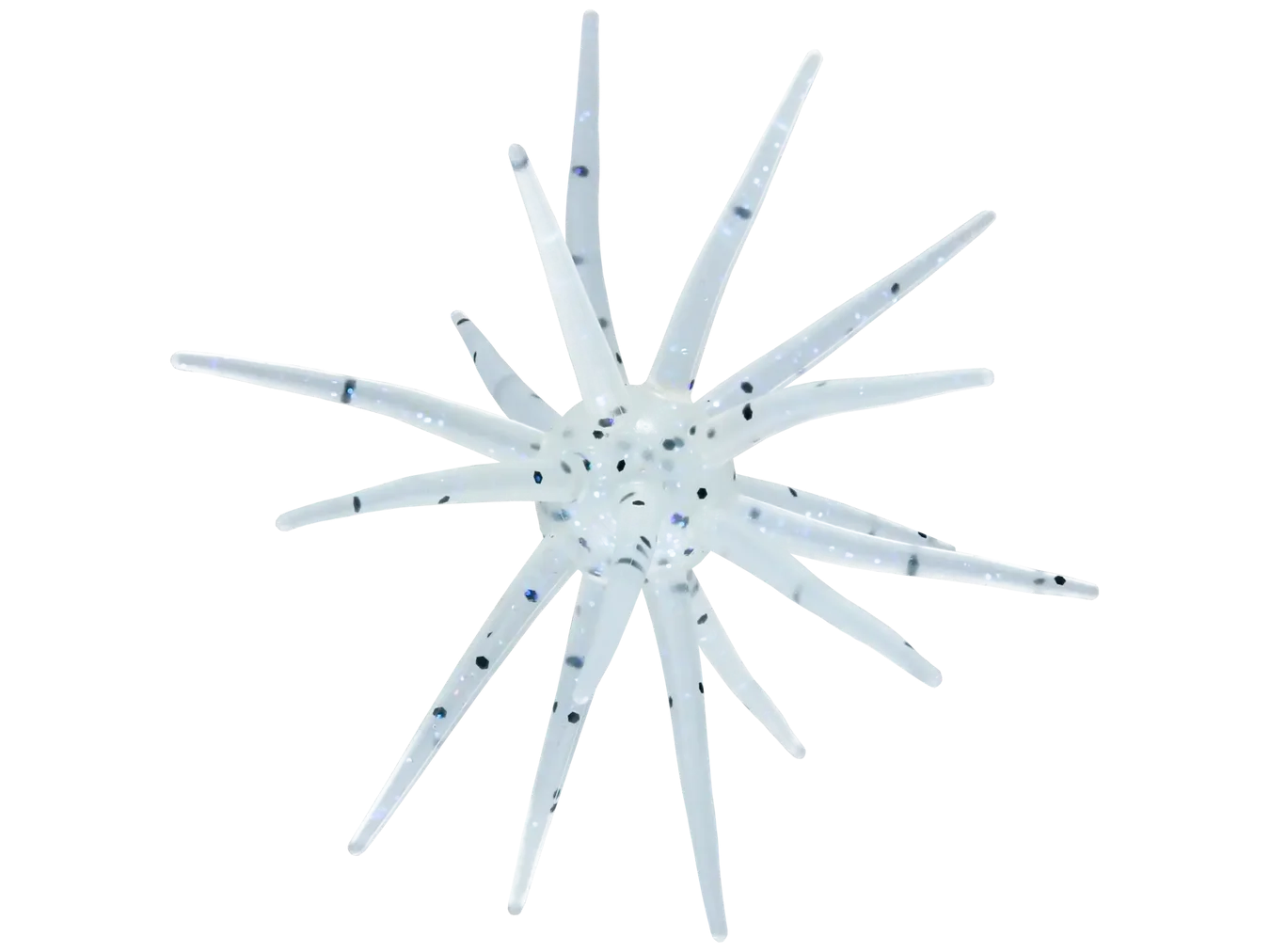
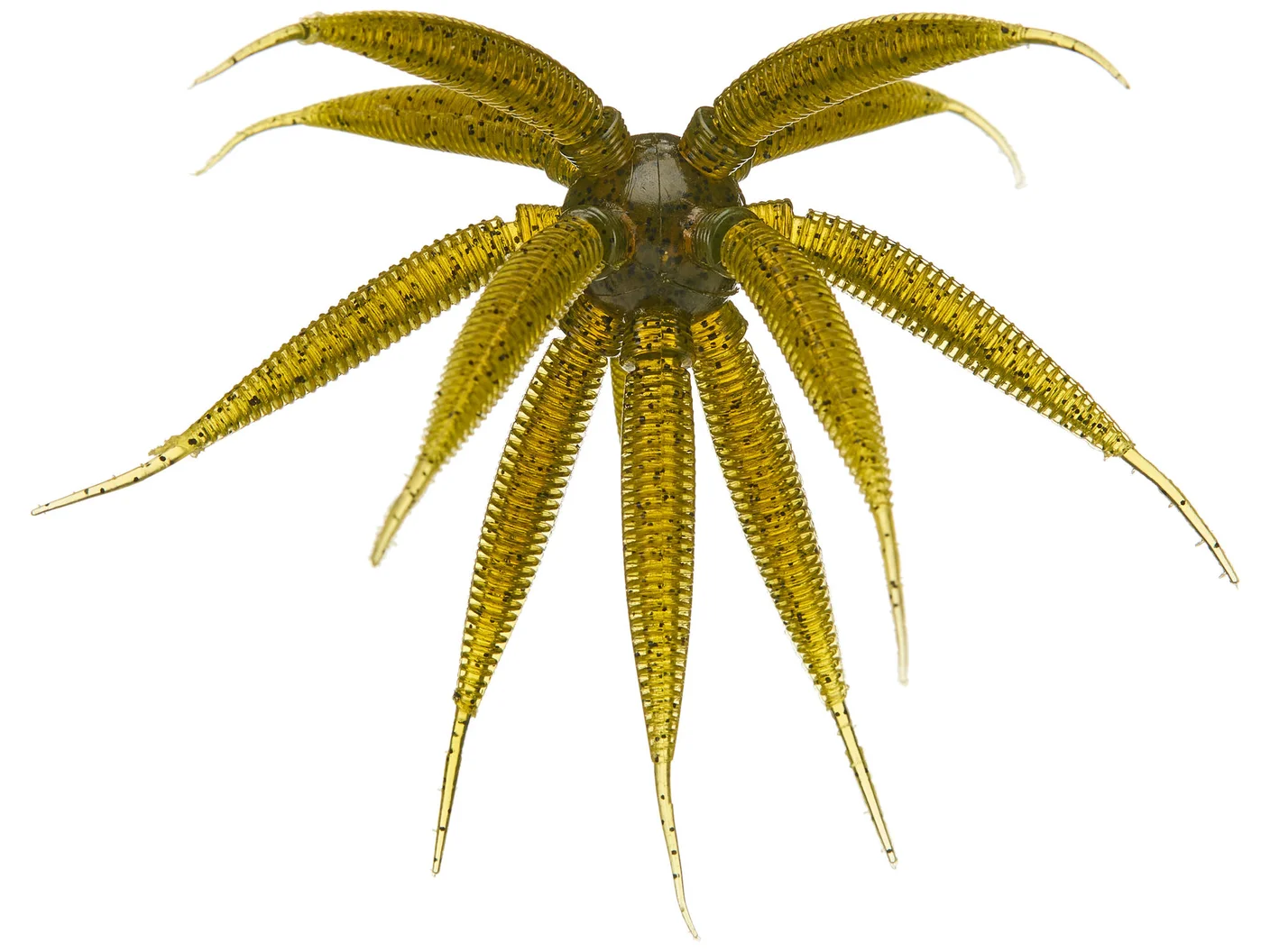
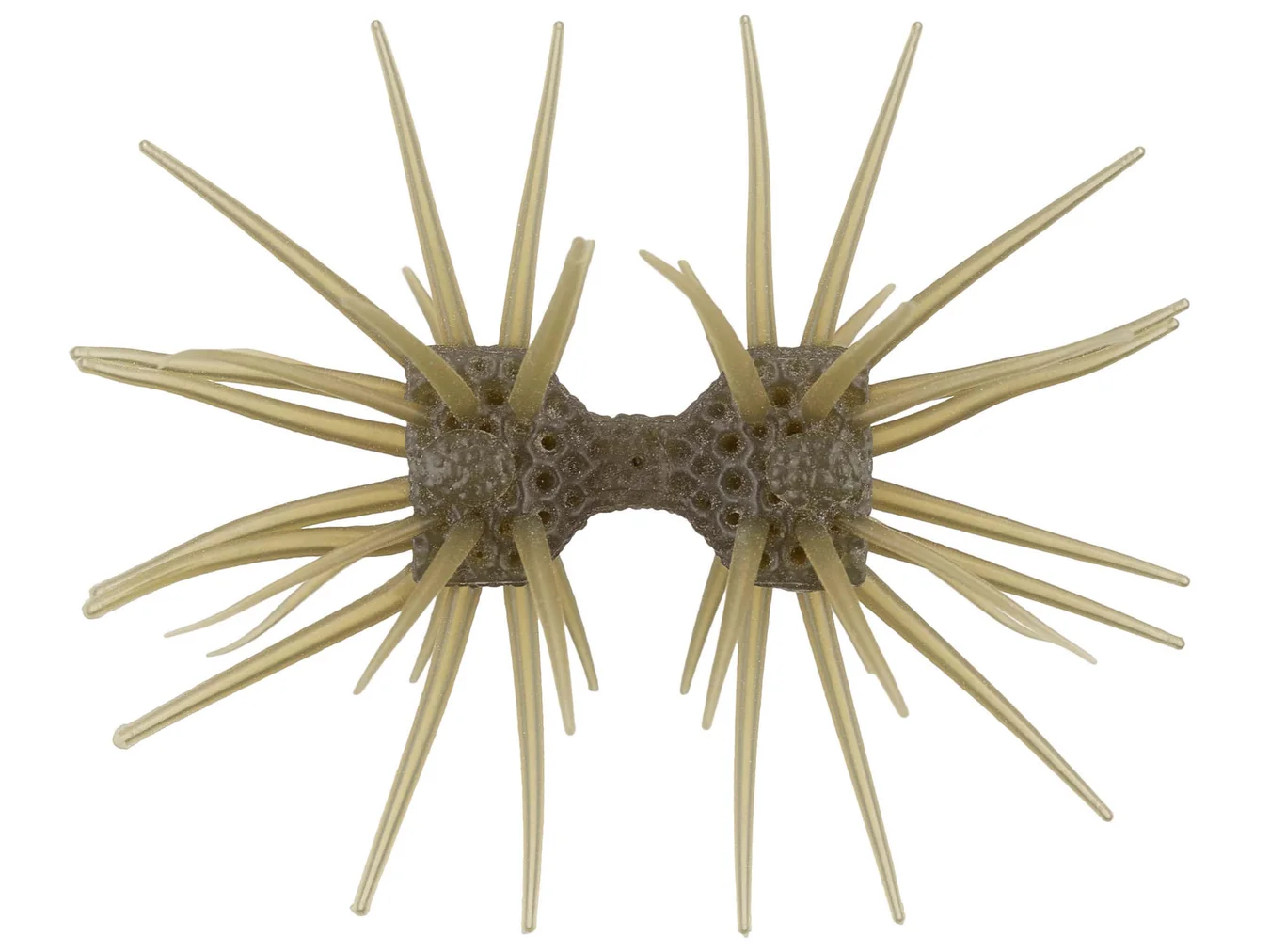
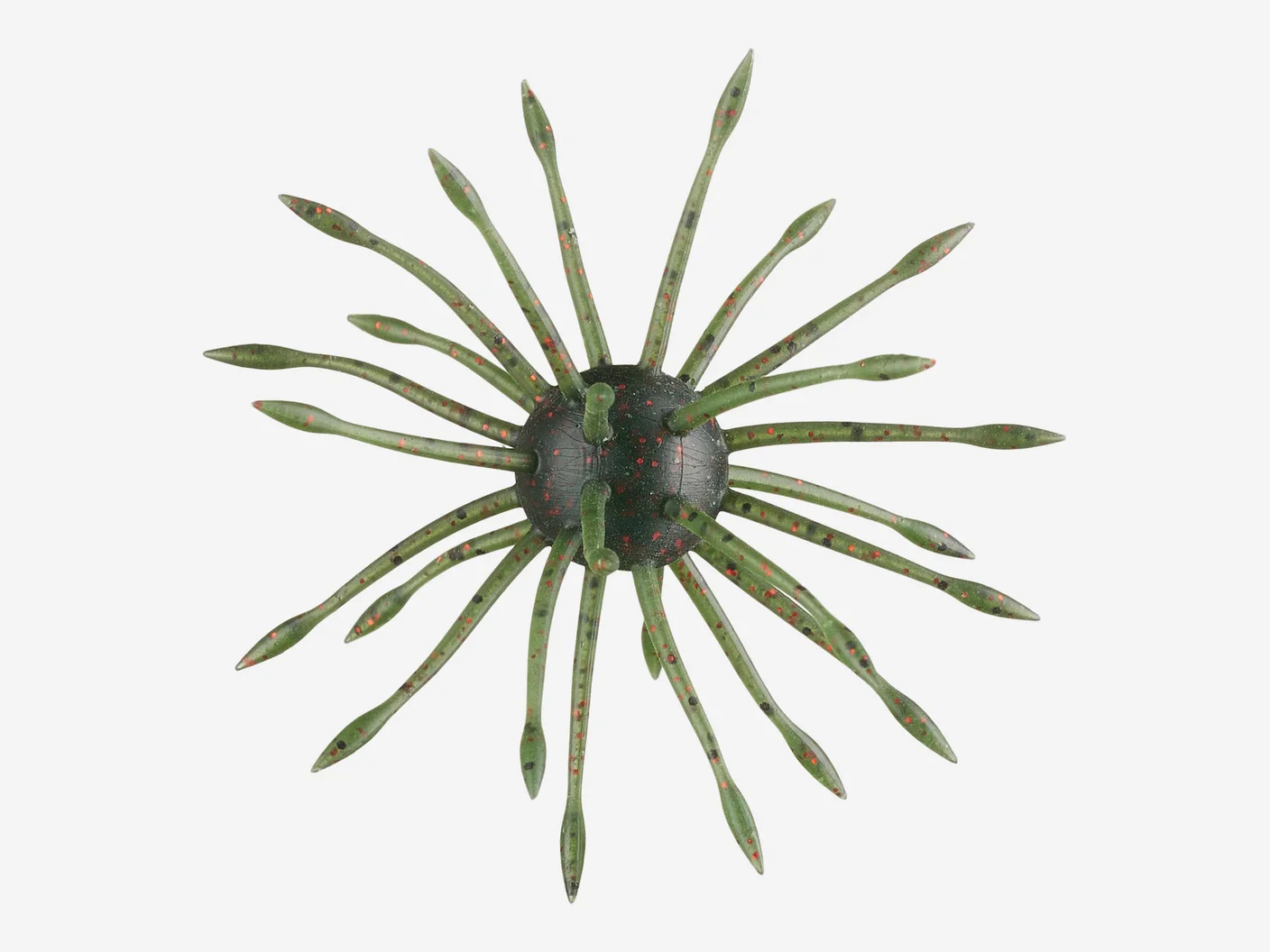
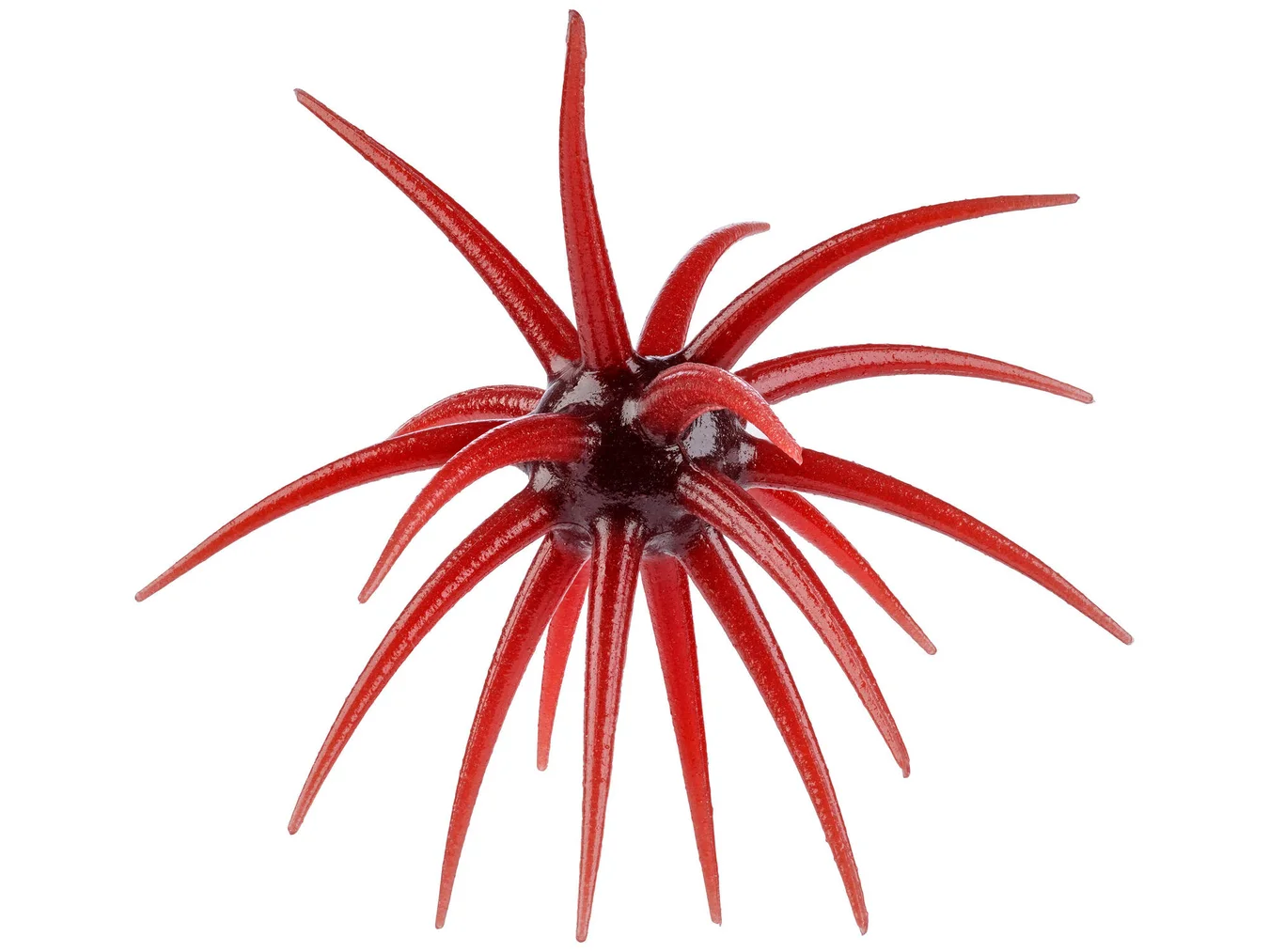
Part two: pricing got contentious. Following a recent Coike drop, Real Deal Tackle owner Michael Neal posted a video pushing back on price gouging in the category, summarized in Best On Tour's July 30 issue. His point is worth repeating because it's checkable: every authorized dealer pays the same wholesale price for Coikes. Steep markups are therefore a choice, not a cost pass-through. Real Deal has responded with purchase limits and scheduled drops — measures designed to give more anglers a shot at original retail rather than to manufacture scarcity.
What this means for you: if you've been waiting, wait a little longer for the right seller rather than paying a reseller premium. Between the new domestic options and dealers running scheduled drops at retail, there is no longer a good reason to pay collector prices for a soft plastic.
Verdict: BUY — but from an authorized dealer at retail. The category has enough alternatives now that you don't have to chase the Coike specifically.
Sizing up: the Magnum Cue Bomb
Worth a closer look since it just landed. Alton Jones Jr. helped design it. The ball section runs about 30mm with an overall size around 130mm including the rubber, built from TPE elastomer with oversized silicone strands. Two design details stand out: the thicker rubber is meant to keep the bait deeper in the water column rather than floating up, and it ships with a wire harness so you can add a sinker without improvising. The oversized rubber also resists taking a set in storage, which is a real problem with this bait style.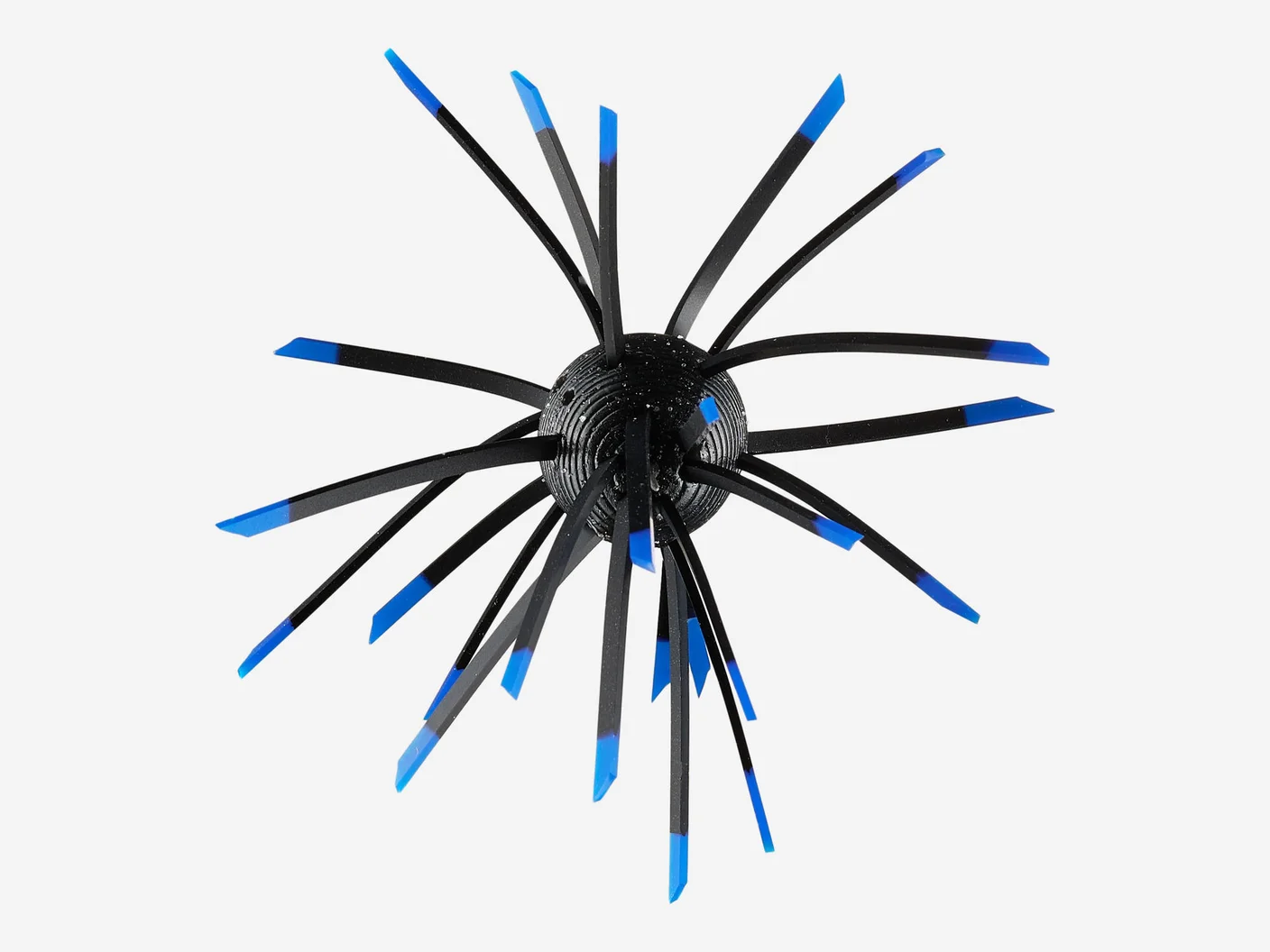
How the Pros Actually Rig and Fish an Urchin
Three Bass Pro Tour anglers — Alton Jones Jr., Justin Lucas, and Jake Lawrence — went on record with Major League Fishing this month, and several other pros have added to the picture since. Here's where things actually stand.
The one thing everybody agrees on
Put the nail weight in the hole in the center of the bait. Not on the line. Not on the hook. All three pros arrived at this independently.
The hook is genuinely unsettled
There is no consensus, and the pros say so themselves. Jones: anyone who tells you there's only one way to rig it shouldn't be believed, because everyone is still tinkering.
Here's the actual spread:
- Jones runs a quad, buries one prong deep into the bait, then bends that arm inward to pin the bait to the shank. He can't change baits without a new hook, but the bait never flies off and he still has three points working.
- Lucas runs a treble.
- Lawrence runs a treble most of the time, switching to an Owner Jungle flipping hook in thick cover.
- Jason Christie won at the Pasquotank River on an urchin rigged to a 2/0 Trokar double frog hook with a drop shot weight, keeping the hooks up and the bait down.
- Easton Fothergill prefers a big single wacky or Neko hook — and his reasoning is the most interesting argument in the debate. He acknowledges the single hook loses more fish. He uses it anyway because frog hooks, trebles, and quads can hook a bass in the tongue or gills, and that's hard on the fish. In a tournament, that's a risk he won't take.
Two hardware notes. Gamakatsu now explicitly positions its Nano Alpha Double Frog Hook for Coike rigging, arguing the double-hook geometry fits the bait's shape and keeps it balanced.
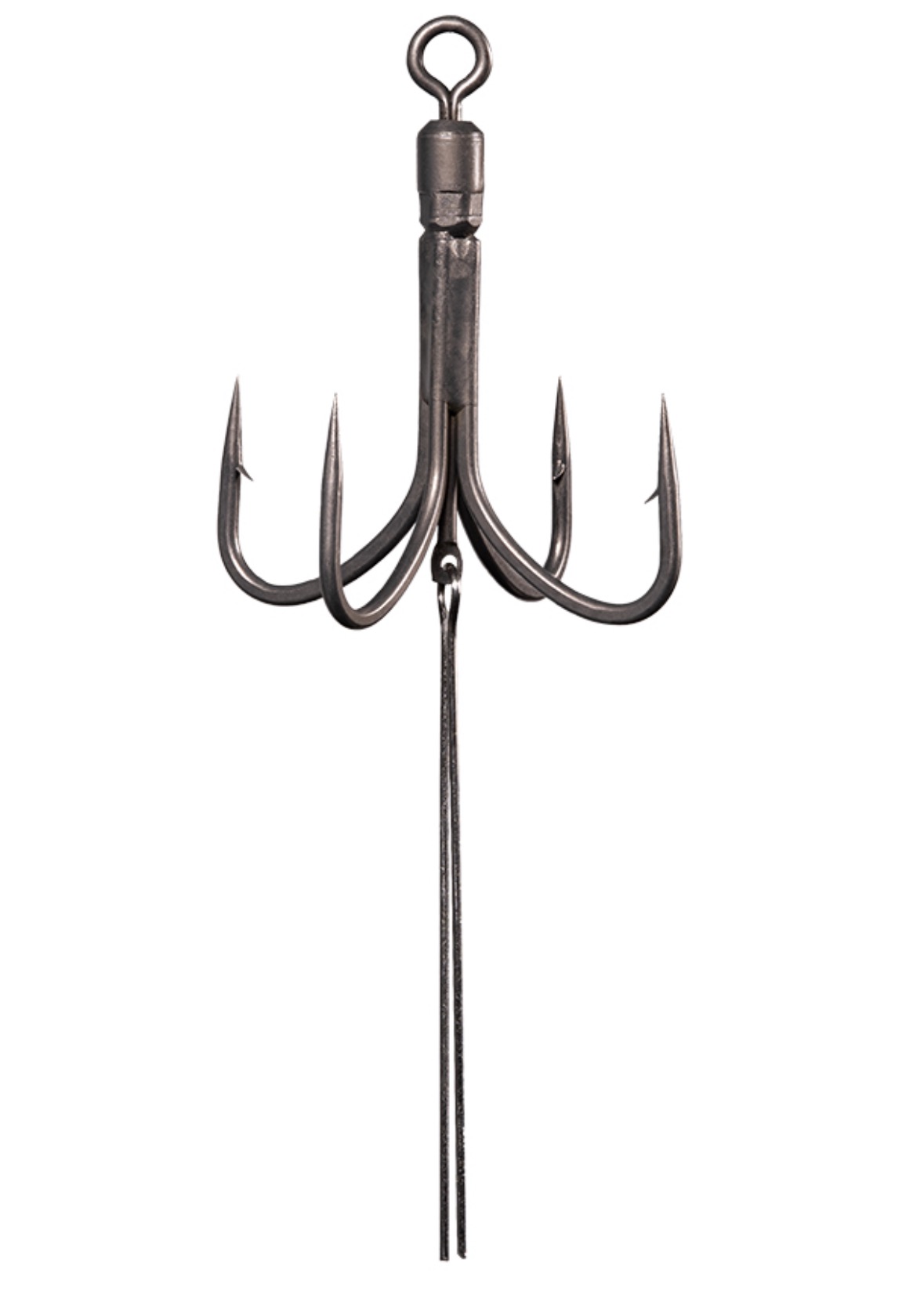
And the workaround has been productized. Pros have been threading a paper clip through the bait to pin it to a treble or quad; BKK's Hyperlatch Quad-Urchin now does it from the factory. A dual-wire locking pin sits beneath the hook's central axis and passes straight through the center of the bait, which keeps it from sliding or flying off on the cast and leaves all four points evenly spaced around the circumference rather than buried or bent inward. Around $11, in sizes #2 through 2/0.
The retrieve
Lucas describes it as fishing a suspending jerkbait: quick pops, good rod-tip jerks, making the arms undulate, worked through the middle of the water column with pauses.
Lawrence is emphatic that sink rate matters more than anything else. Go as light as you can and still reach the fish. You want the bait to suspend, or come as close to suspending as possible, during the pause. It makes for slow fishing. It also works.
If you're on forward-facing sonar and a fish follows without committing, Lawrence's fix is to stop the jerk-and-pause and switch to a quivering minnow shake in place.
It is not a finesse technique
This surprised us. Jones fishes 16-pound leader even on spinning gear, reasoning that fish are mesmerized by the strands and line diameter simply doesn't factor in. Lawrence prefers straight fluorocarbon over braid-to-leader. All three default to casting tackle unless the bait is too small to cast or they're skipping docks.
Where it shines
Isolated cover and individual, solitary fish that are hard to get to bite. Lawrence has found it more powerful on single fish than on schools. Jones targets bass suspended on cover, with stained to dirty water as a bonus, and pegs postspawn into early summer as the window when most of the population will eat it rather than just the big ones.
Greg Hackney's addition is the clearest explanation yet of why it works: most lures fall through a bass's line of sight, and the urchin lets you keep the bait in the fish's face. The longer the bait stays over the fish, the better your odds. He also predicts the obvious ending — after a year or two of pressure, it becomes a Senko: always good, no longer unbeatable.
And it works without forward-facing sonar. Lucas caught nearly 60 of his 70-plus pounds at Lake Whitney blind-casting to cover.
The clearest proof came at the Santee Cooper Elite in May. Chris Johnston won it going away — 113 pounds, 12 ounces over four days, breaking the century mark almost entirely on an urchin fished around docks. Brandon Palaniuk finished second boating Santee giants on urchins pitched to cypress trees, shallow grass lines, and other visible cover, and he did it without forward-facing sonar at all. Two anglers, top of the leaderboard, catching shallow cover-oriented fish that the rest of the field was fishing over.
Champlain: What Actually Won
The Tackle Warehouse Pro Circuit regular season closed at Lake Champlain on July 26, and the numbers tell you a lot about where techniques stand right now.
Cal Lane won with 65 pounds, 7 ounces over three days — the largest three-day catch in MLF/FLW history at Champlain, breaking a record set in 2024. His 23-15 Day 2 bag was the third heaviest five-fish limit in circuit history there. He weighed over 20 pounds every day.
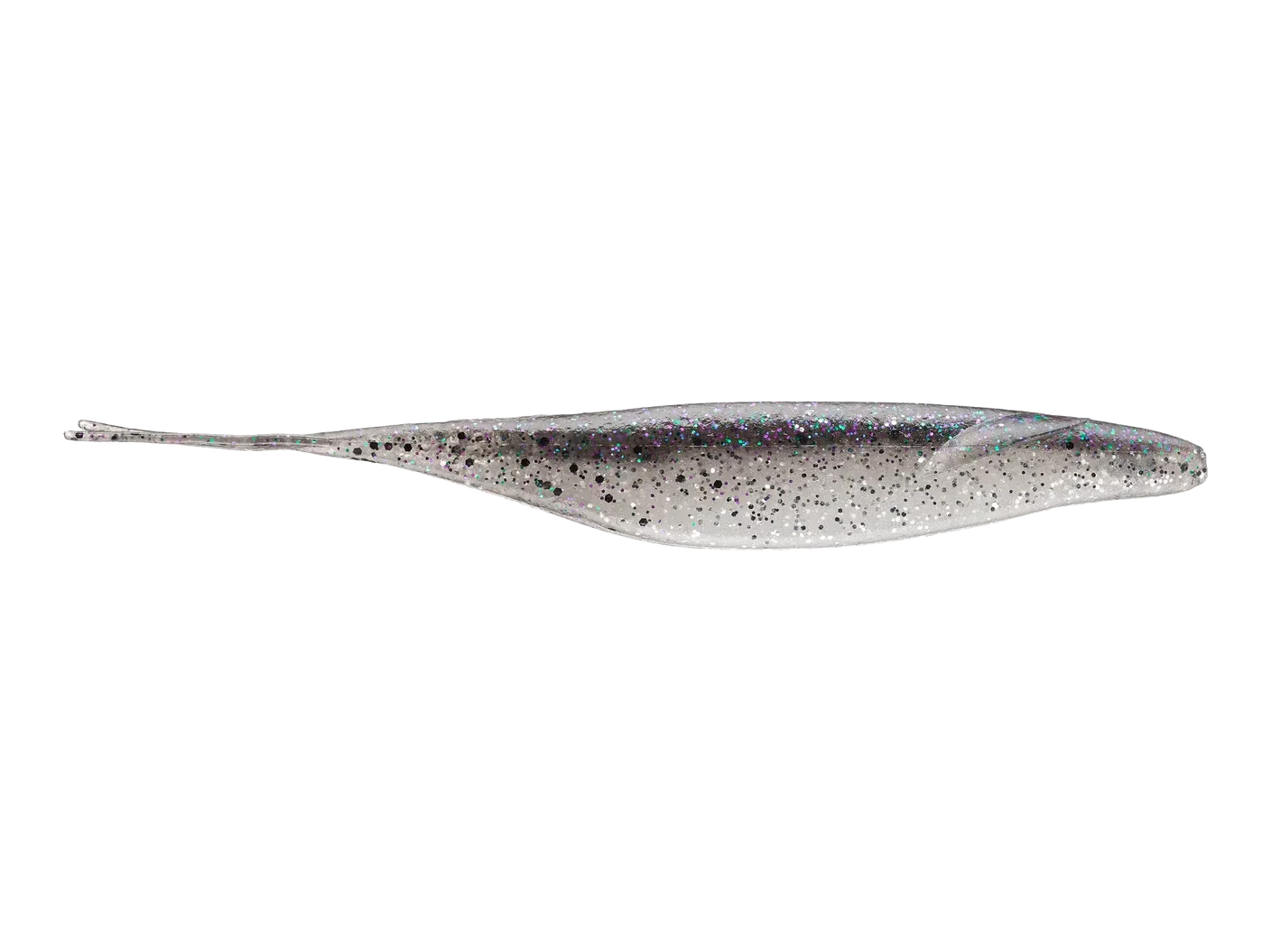
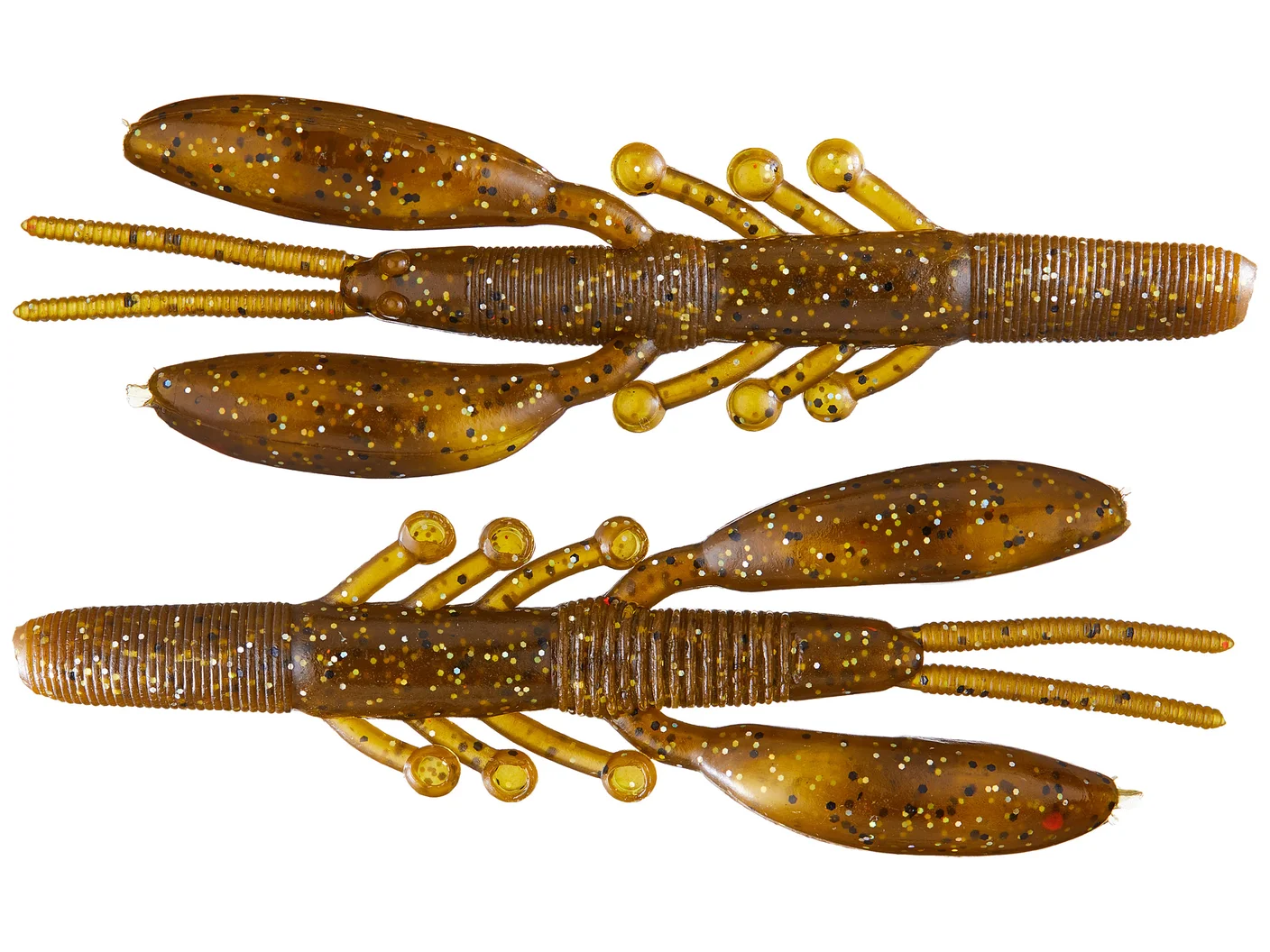
How he did it: two completely separate patterns. Mornings were forward-facing sonar on roaming smallmouth in 45 feet — a 5" Deps Sakamata Shad on a 1/4-oz 3/0 tungsten head, 10-lb braid to 10-lb fluorocarbon, on a 6'10" medium-fast spinning rod. He chose the shorter rod partly because many fish came close to the boat on short flips and pitches. Afternoons he punched largemouth in 10 feet of matted vegetation with bluegills around the edges — a Damiki Air Craw, 3/0 flipping hook, 2-oz tungsten, 50-lb moss green braid, 7'8" heavy rod.
He put 19 to 20 pounds together in the sonar period every single day, then went largemouth fishing.
Banks Shaw finished third and clinched his second consecutive Angler of the Year title, edging Ryan Lachniet by 15 points. Worth noting the two titles came on different circuits — he won the 2025 Angler of the Year on the Tackle Warehouse Invitationals in his first season on a national tour, then took the Pro Circuit title this year despite a rough opening event and a boat fire. He won twice during the 2026 regular season, at Wheeler and Eufaula.
Matt Becker finished second with 63-06, losing by just over two pounds, on three rods: a 5" Senko for docks, a Yamamoto Uni Mas urchin for smallmouth over grass, and a 4.8 Big Bite Spotlight Minnow on a 1/4-oz tungsten ball head for roaming smallmouth. His line: after his three-hour sonar period ended, he caught every fish on the Senko.
The Top 10 bait breakdown
This is the most useful snapshot of the current landscape we've seen. These figures track the share of Top 10 anglers leaning on each bait type, and they total more than 100% because most of the field ran multiple patterns — Matt Becker alone used three.
Smallmouth
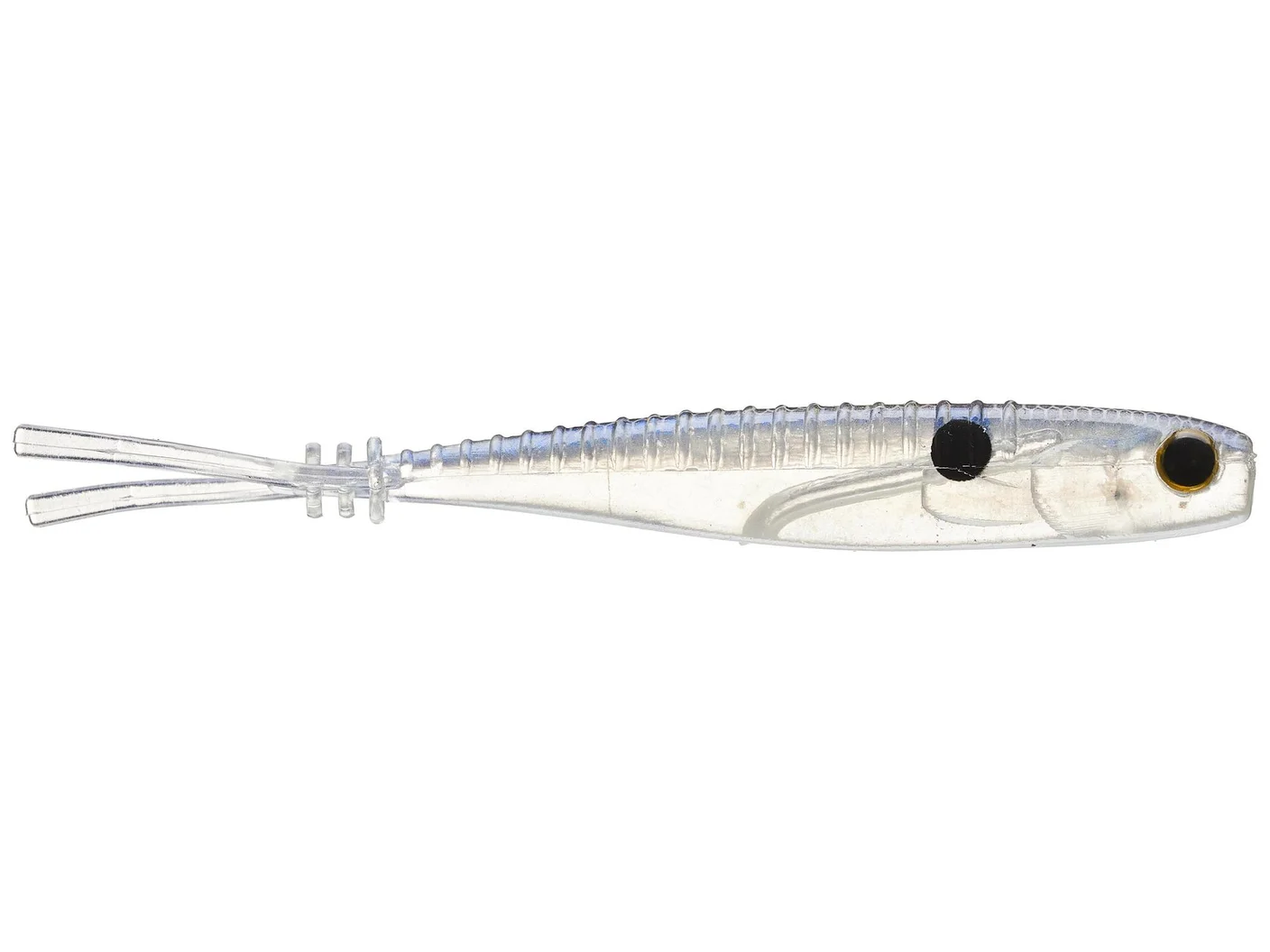
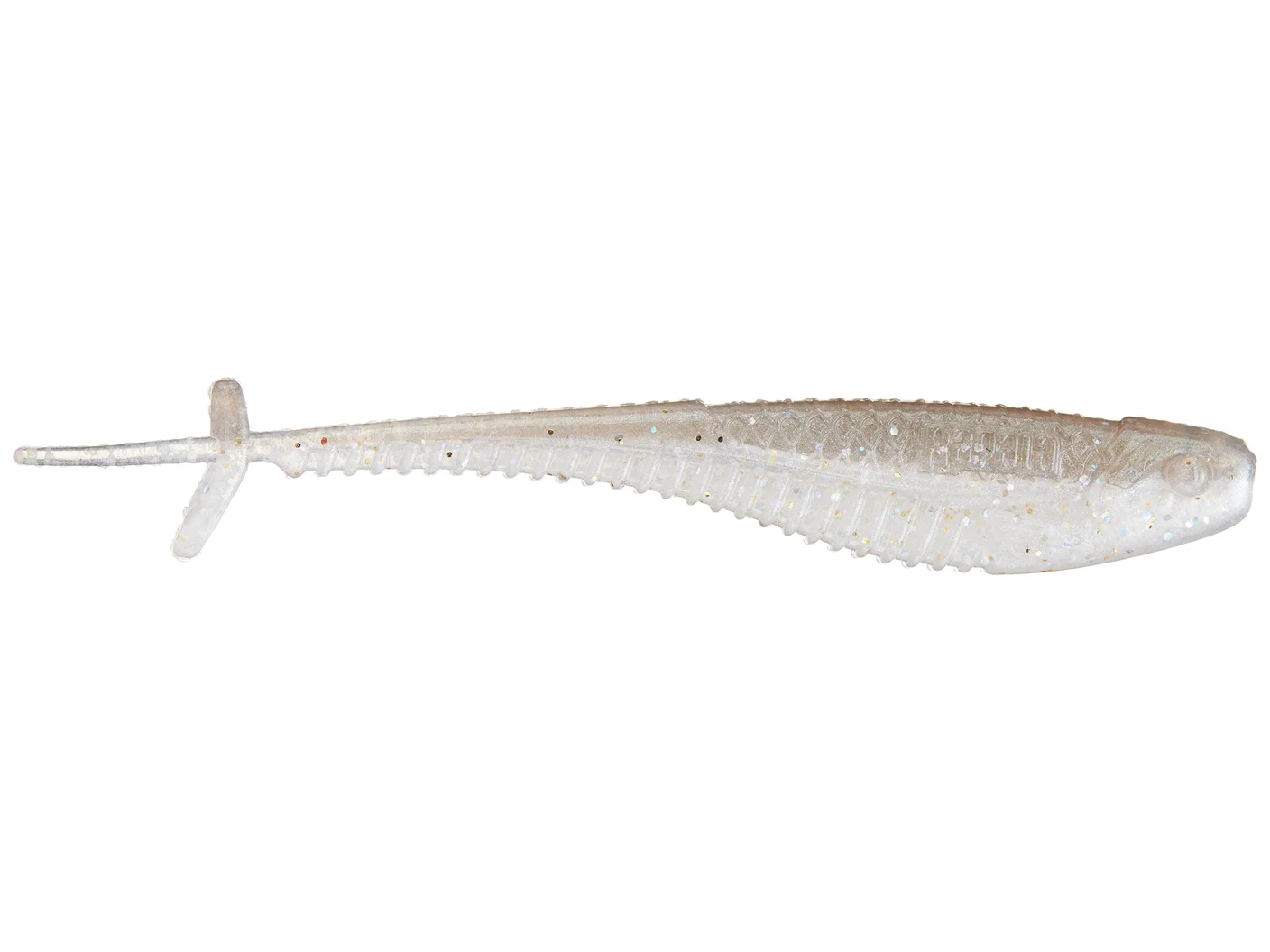
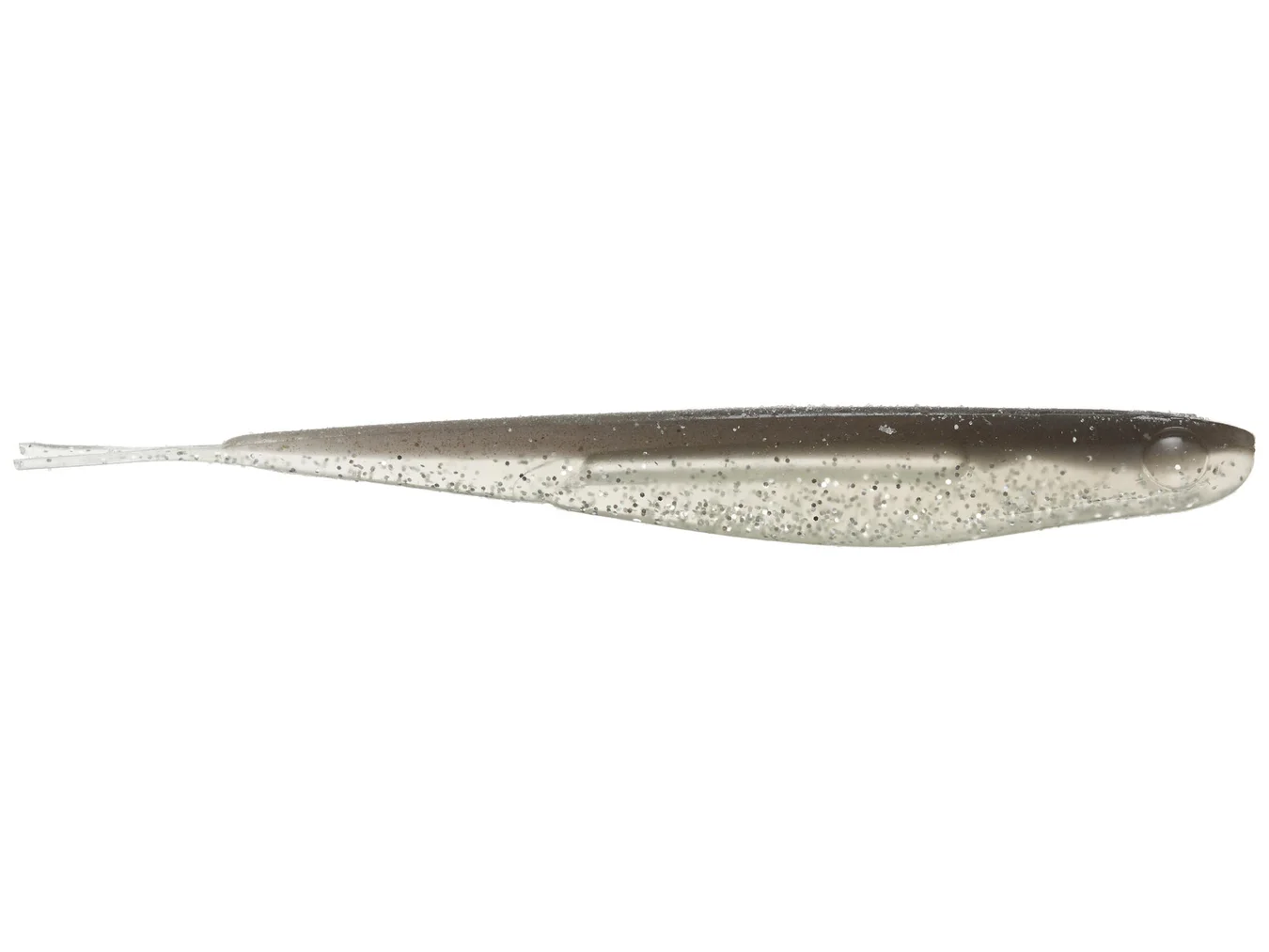
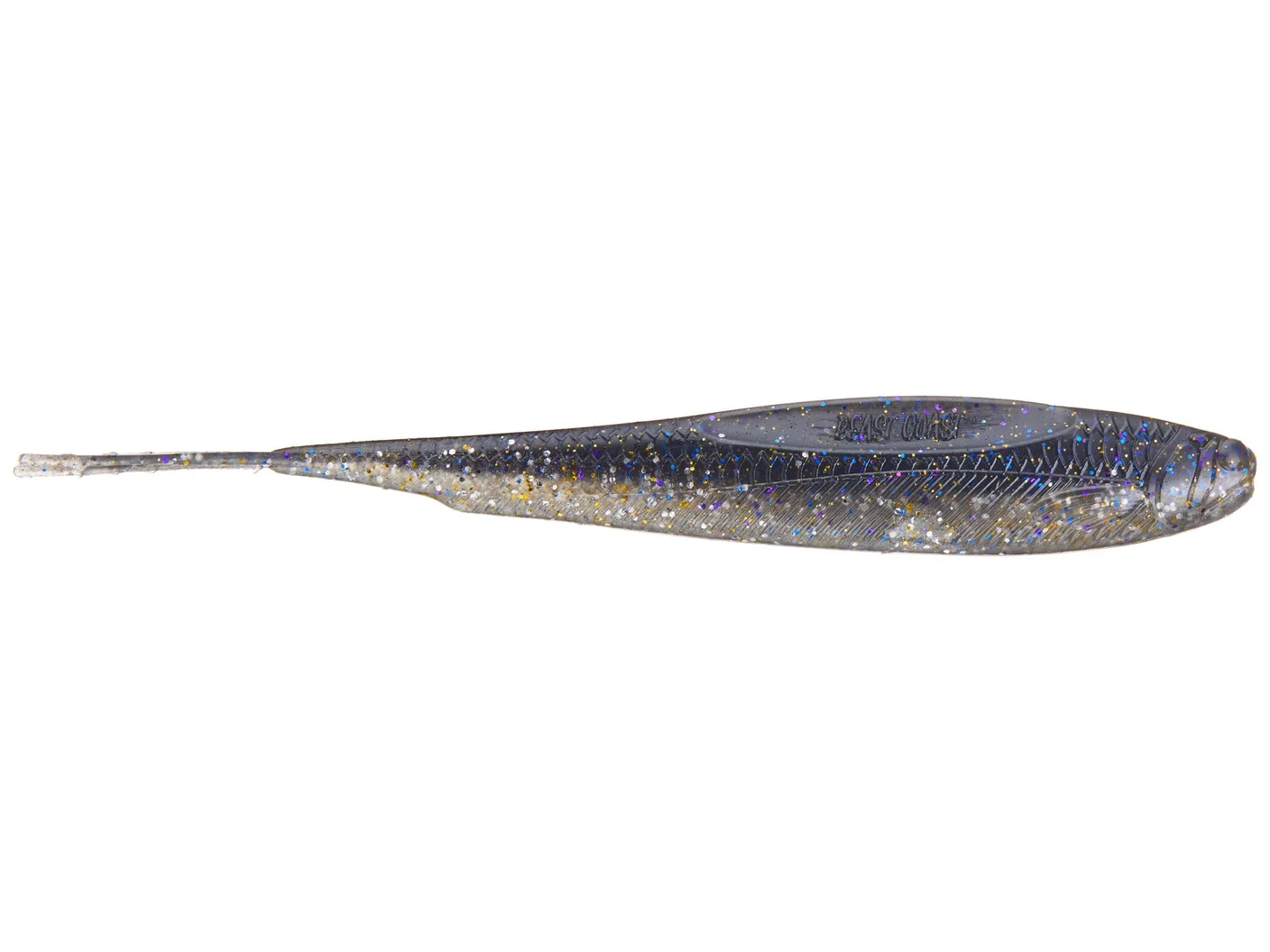
- Jighead minnow — 70% (Deps Sakamata Shad ×2, Big Bite Spotlight Minnow, Rapala CrushCity Mooch Minnow, Berkley Lab Series Minnow, Beast Coast Seduce Minnow)
- Urchin — 20% (Yamamoto Uni Mas)
- Drop shot and jerkbait — 10% each
Largemouth
- Jig — 50%
- Finesse jig — 20%
- Punching, wacky rig, urchin, and topwater — 10% each
Two takeaways. The jighead minnow is not fading at the top level regardless of what the show floor suggested. And on the largemouth side, jigs in one form or another were the dominant thread — an old technique doing perfectly well in a sonar-heavy event.
Power fishing is still winning
Zack Birge won the NPFL at the St. Lawrence with a three-day total of 70-4, leading wire to wire. It was his second NPFL win of 2026 and his third national win, with John Cox finishing runner-up. He did it power fishing.
The details below come from Birge's post-win interview with Jay Kumar of BassBlaster.
His pattern: a 1/4-oz prototype bladed jig with no trailer, fished in 3 to 6 feet on stretches with scattered rock inside a grassline. Every fish came on the inside of the grass. He ran 14-lb fluorocarbon on an 8:1 reel and a rod chopped down to 7'2" specifically for bladed jigs and squarebills. The line choice was deliberate — in ultra-clear water he expected to need lighter, tested 14 and 16 in practice, still got bit, and stayed heavy.
The fish were regurgitating crawfish by the boatload.
He supplemented with a deep crankbait burned over 22 to 25 feet of water, keeping the bait 2 to 4 feet off the bottom and never letting it touch. He learned that pattern years earlier by watching on sonar as fish rose off the shoals to chase a fast-moving crankbait down.
Asked how he's making power fishing win in the forward-facing sonar era, his answer was schedule-dependent: many of this year's venues simply haven't been sonar-dominant events, and his shallow strengths lined up with the places they visited.
ICAST 2026: The Official Results
ICAST handed out its category awards this year plus the overall Best of Show, with the category count trimmed from 41 in 2025.
Best of Show went to the Zebco Rhino 30 6'6" 2-piece medium spinning combo. An affordable, durable spinning combo beat every premium reel and $2,000 sonar unit in the building. Zebco rebuilt the Rhino from the ground up to bring the brand back, and buyers and media voted for it.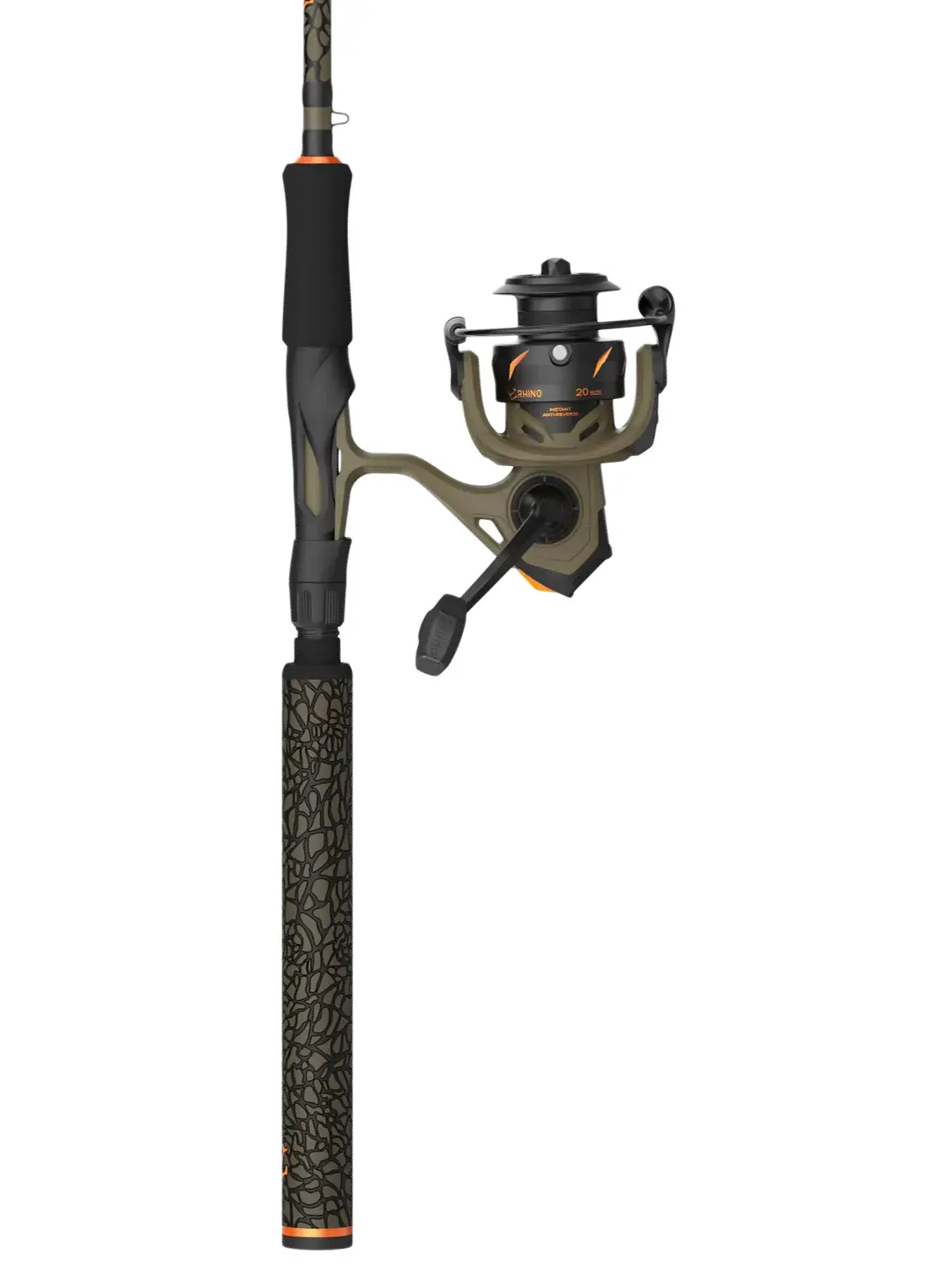
Winners relevant to bass:
| Category | Winner |
|---|---|
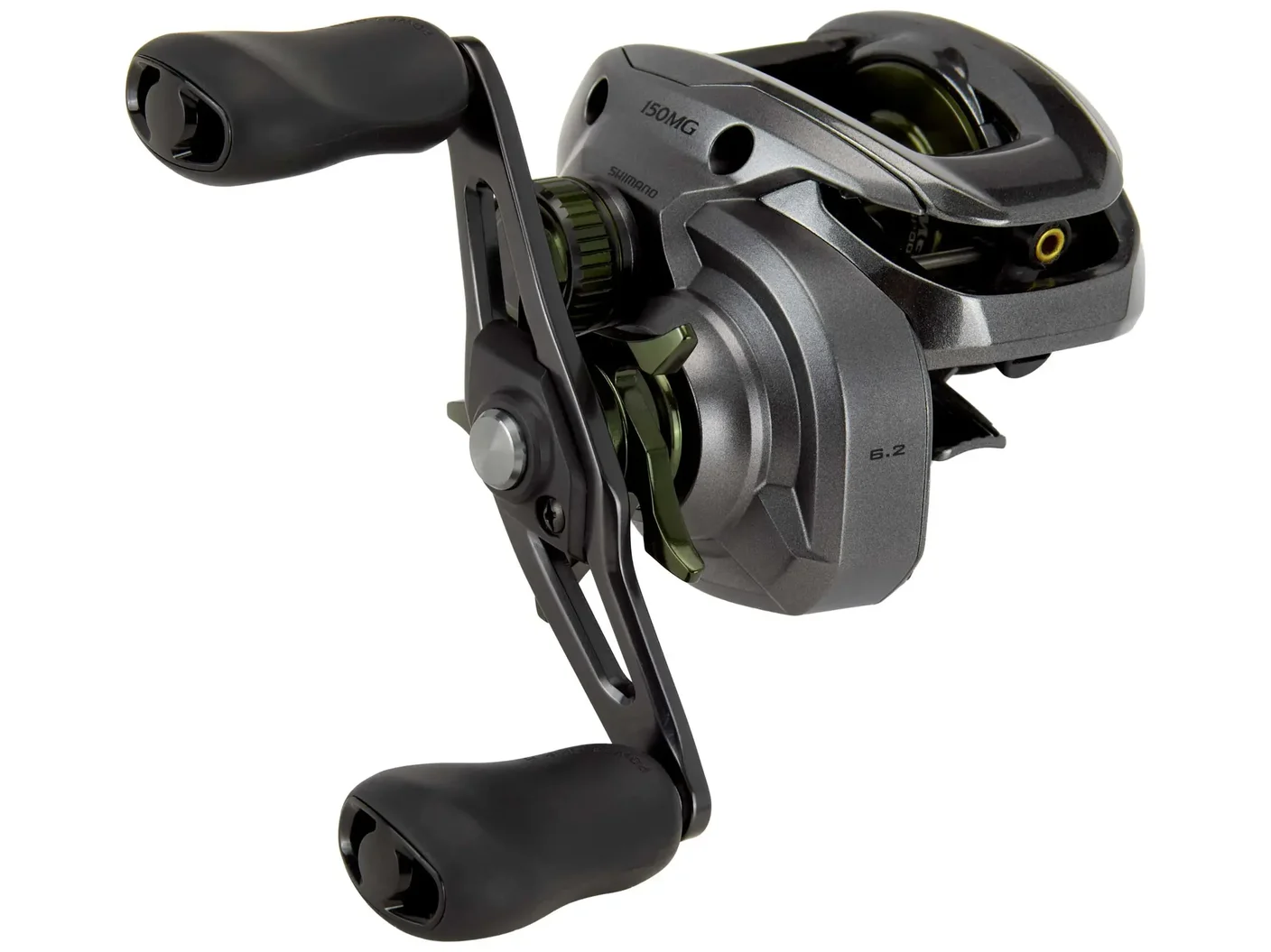
| Freshwater Reel | Shimano Curado DC 150 |
| Freshwater Rod | St. Croix Triumph |
| Freshwater Soft Lure | Rapala CrushCity "The CEO" 21 |
| Freshwater Hard Lure | Synch Fishing Artisan Wake & Crank 130 |
| Wired and Skirted Lure | Z-Man ChatterBait Elite EVO HD |
| Terminal Tackle | G-Ratt Baits Urchin Rig |
| Tackle Management | BUZBE Basic Deep Urchin Bait Box |
| Custom Tackle and Components | BUZBE Magnetic Launch Pad |
| Electronics | Garmin LiveScope 2 HD |
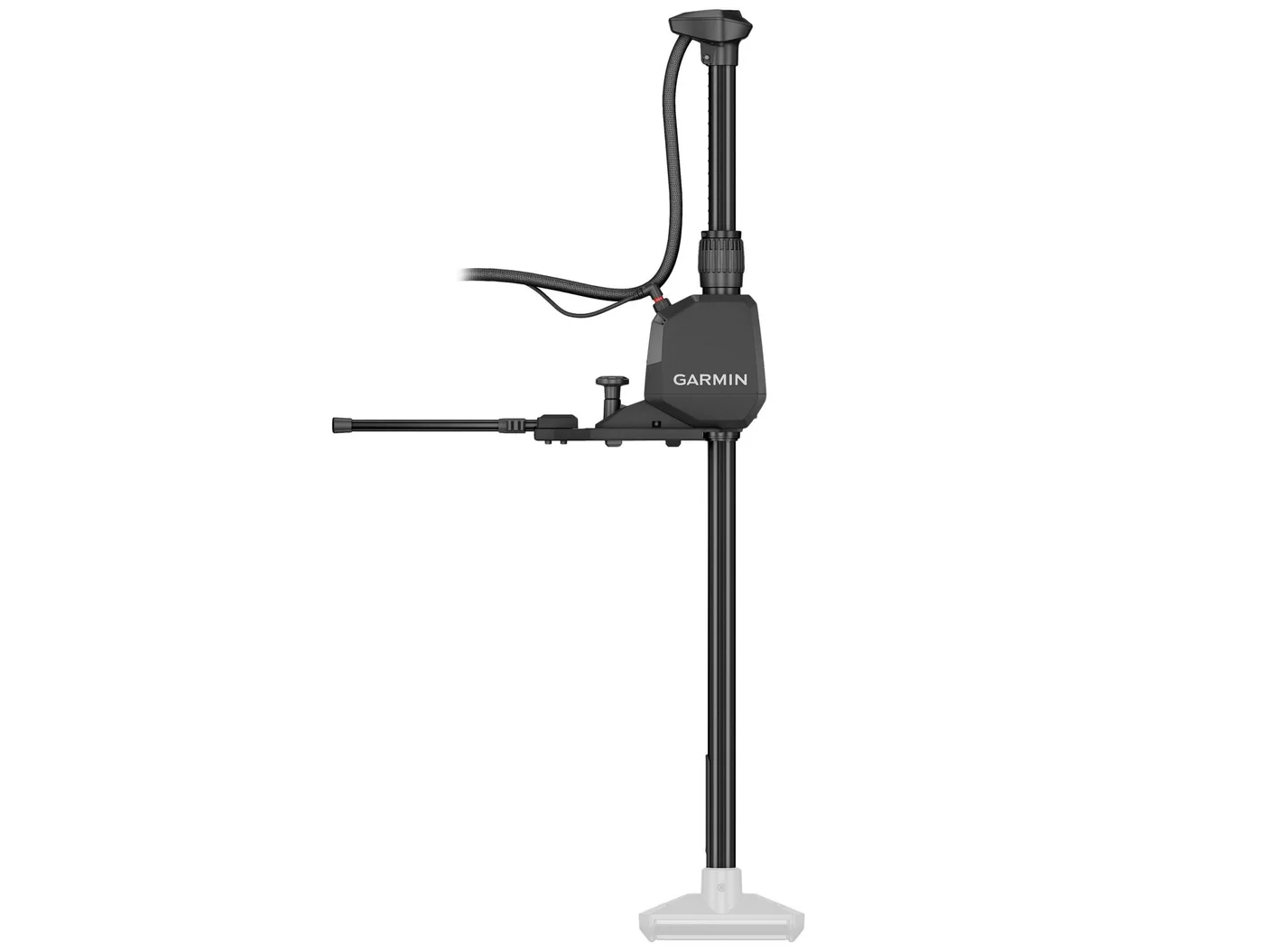
| Motorized Boating Accessories | Garmin Spy Pole |
| Non-Braided Fishing Line | Seaguar BRAWLR |
The urchin sweep
Three awards went to urchin-ecosystem products: the bait (CrushCity The CEO), the rig to fish it (G-Ratt Urchin Rig), and the box to store it (BUZBE Urchin Bait Box). A category barely a year old in the U.S. now has a complete supported ecosystem. That's the difference between a fad and a category.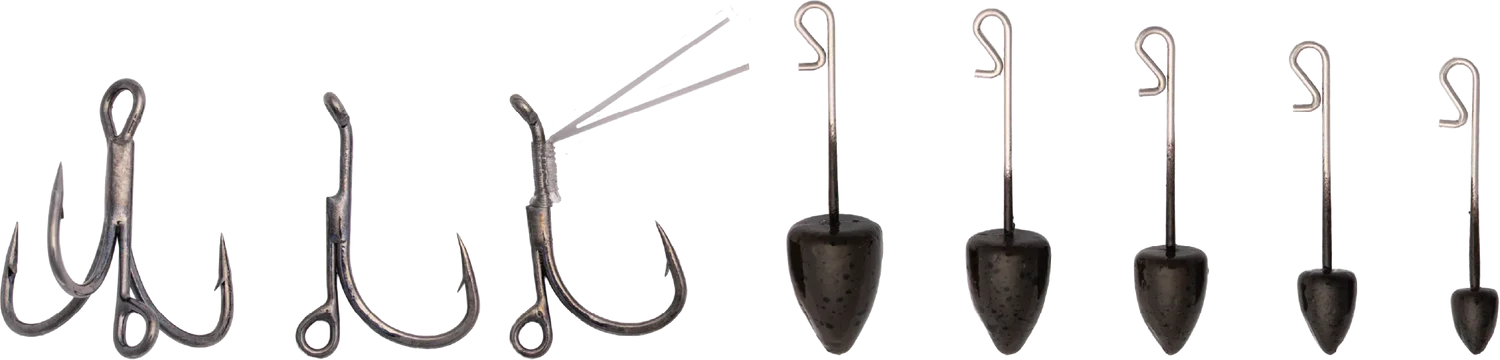
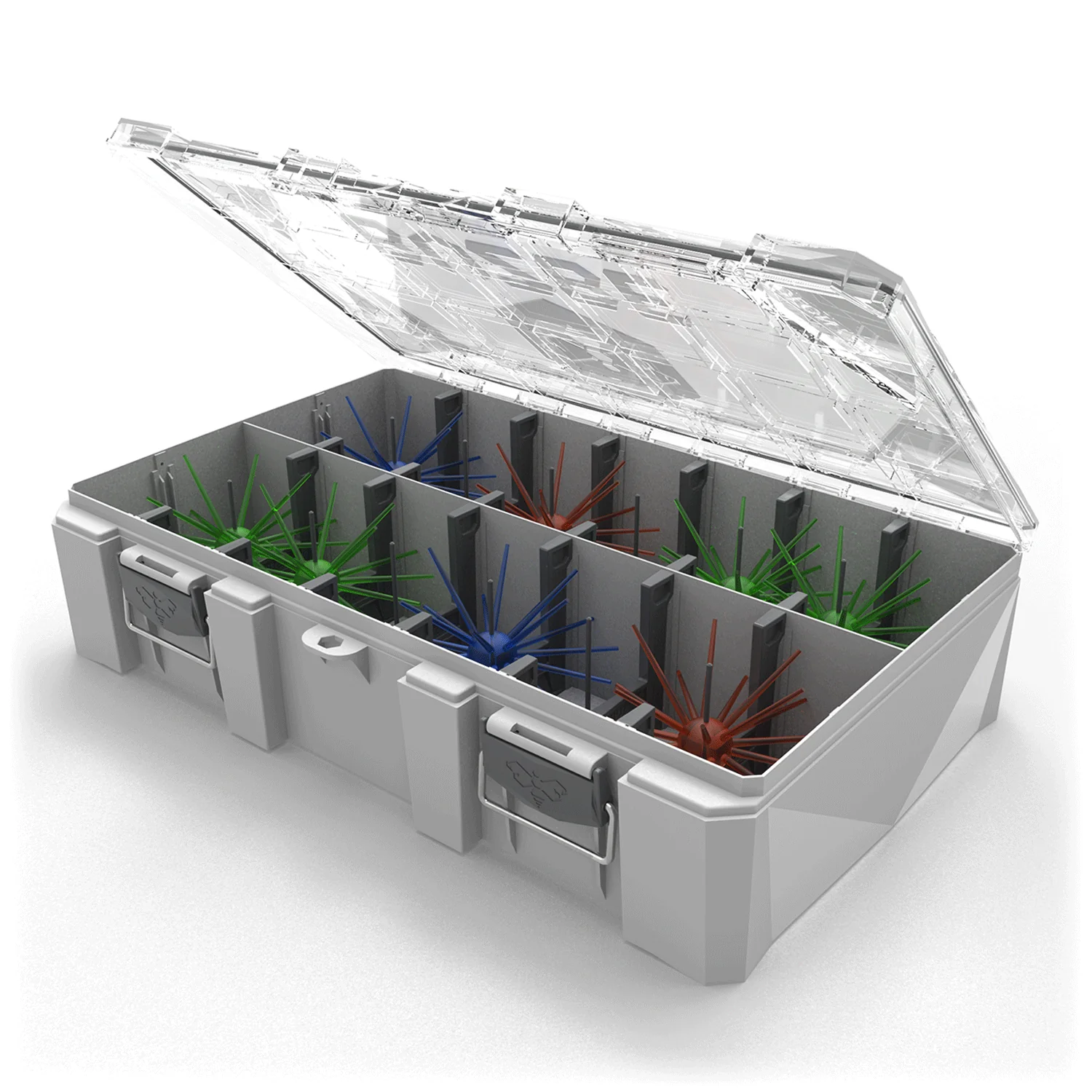
BUZBE took two categories on the strength of it — the Urchin Bait Box plus the Magnetic Launch Pad.
The CEO earns its award on materials: Super TPE with a weighted glass powder core producing a controlled slow fall, plus multiple tapered legs that twitch on the drop. Falling correctly is the entire game with these baits, and Rapala engineered for it instead of leaving it to nail weights. Note that as of this writing it has not reached retail yet.
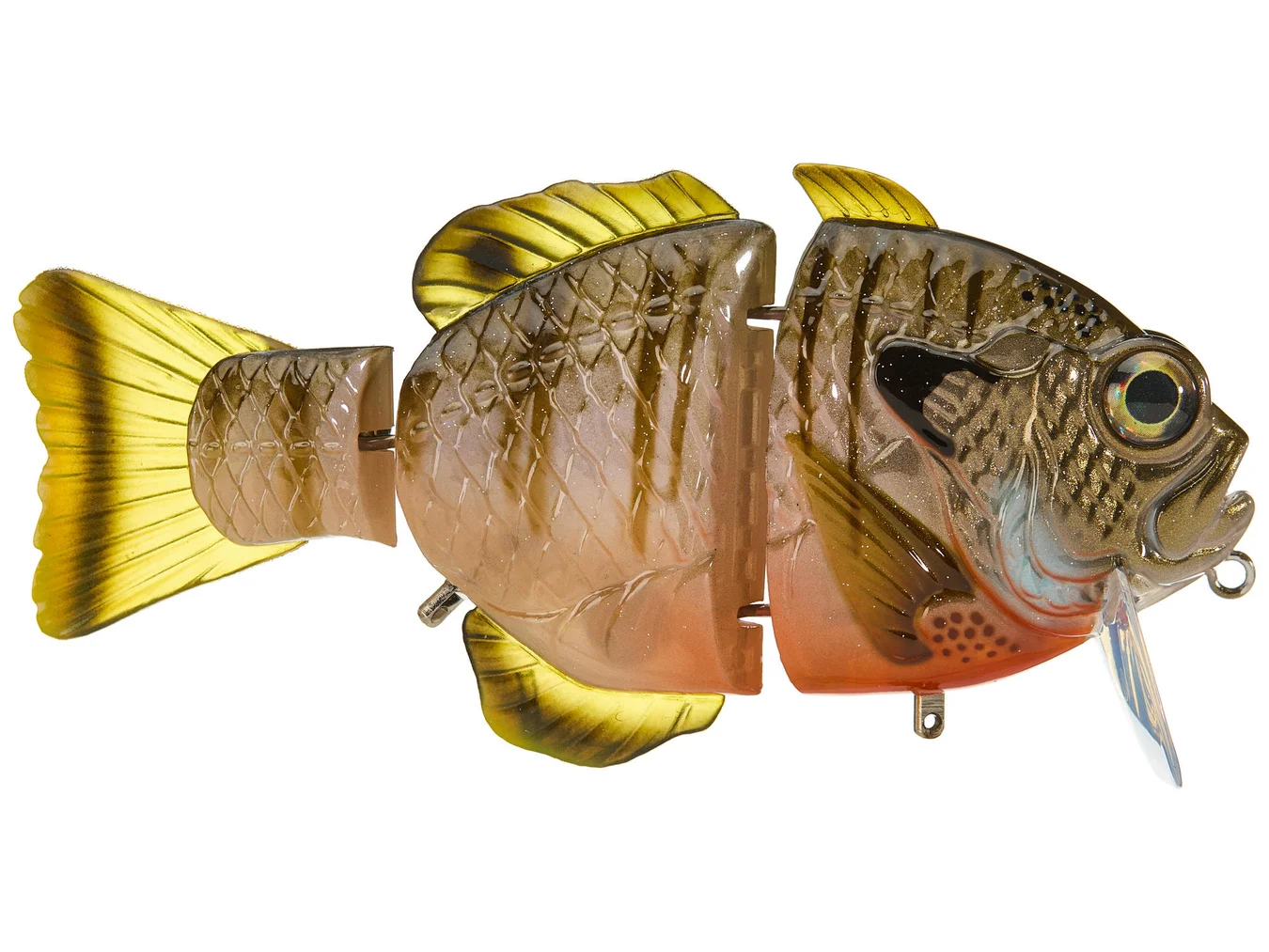
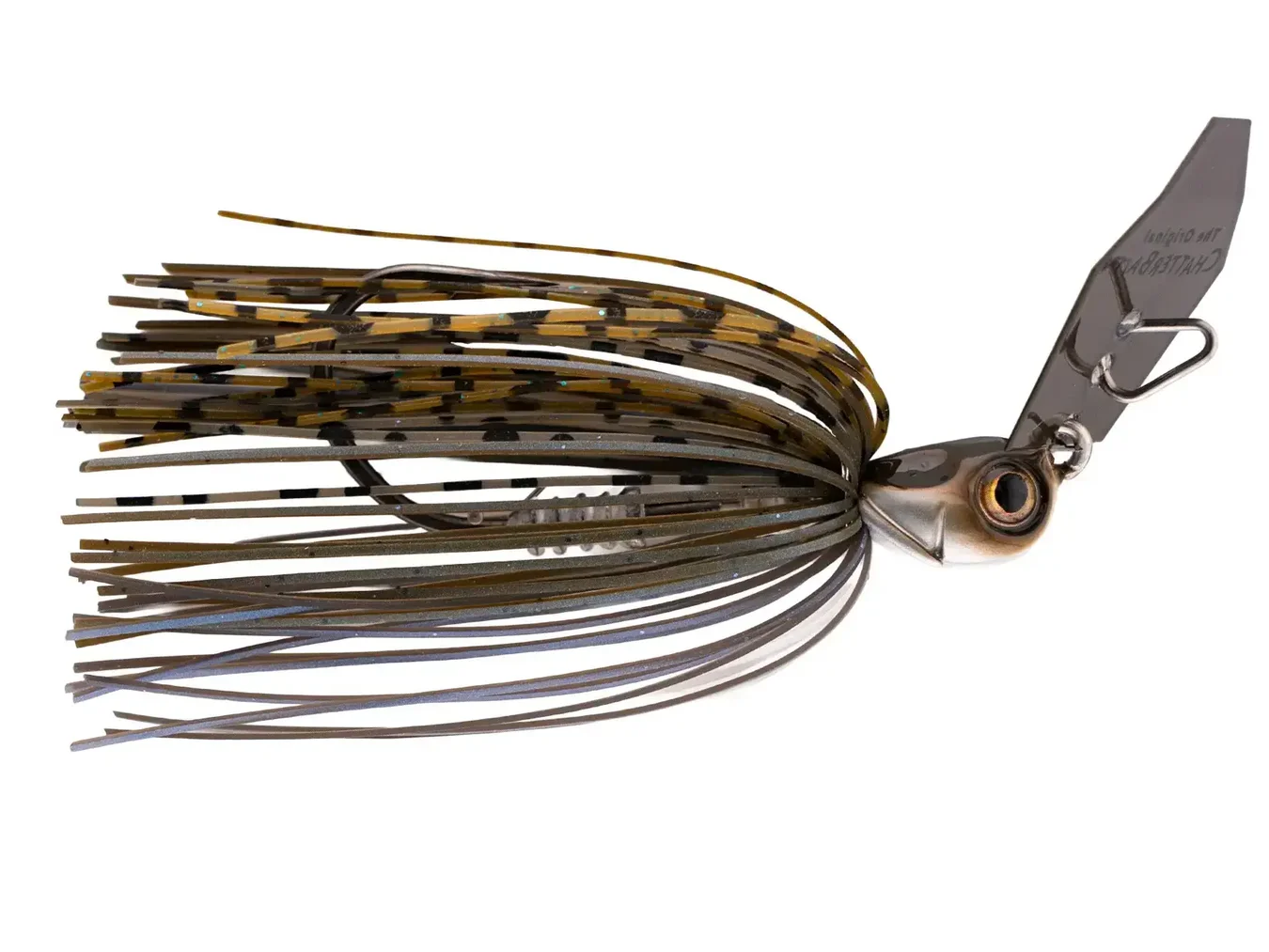
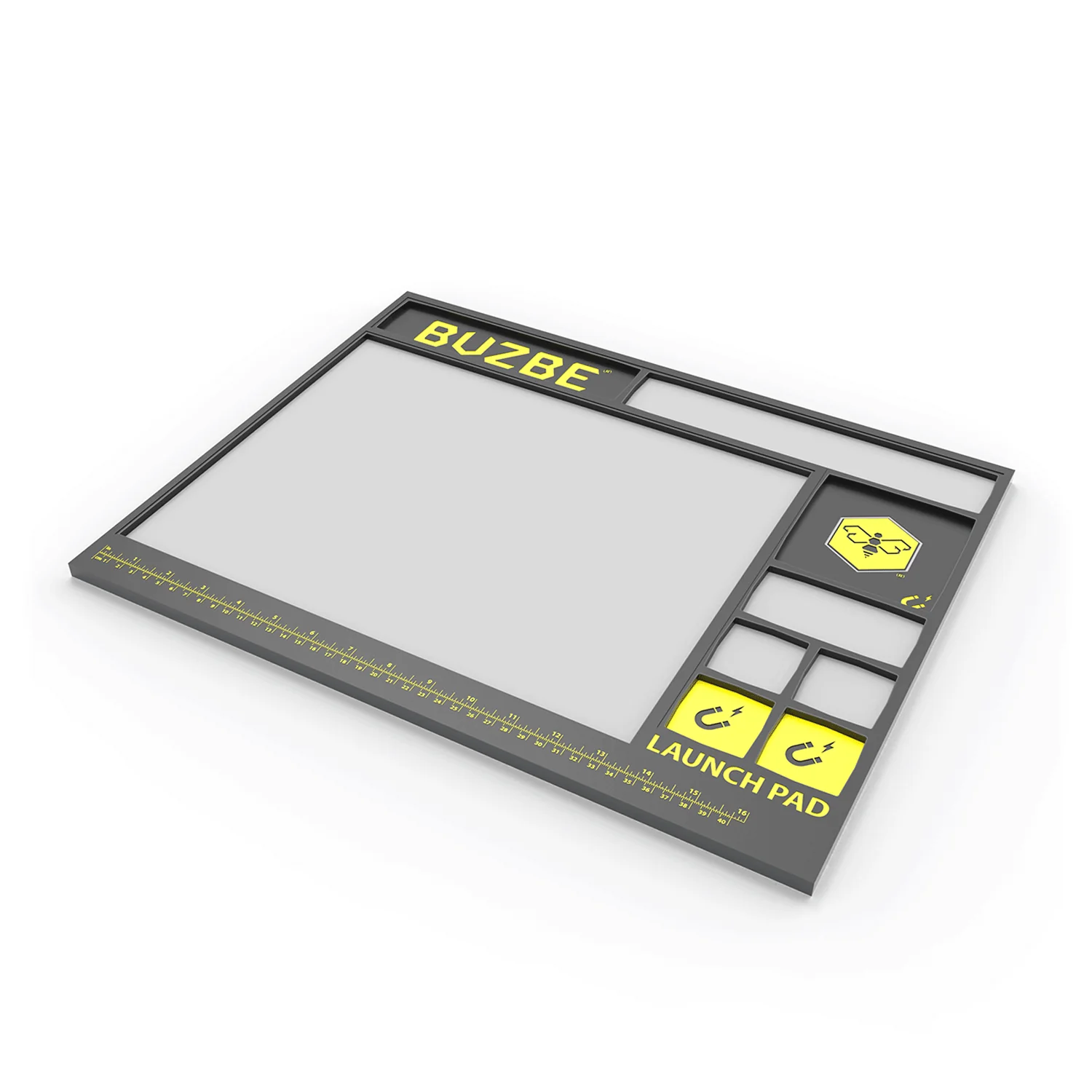
The Tungsten Squeeze
There's a reason tungsten was so scarce on the ICAST floor this year.
Tungsten has risen more than 550% since early 2025. Ammonium paratungstate — the traded form — went from roughly $1,650 per metric ton unit to over $3,100, with much of that climb compressed into a few weeks this spring. China mines close to 80% of the world's supply and has spent eighteen months tightening export controls, cutting quotas and naming a short list of approved exporters. The U.S. hasn't mined tungsten commercially since 2015.
Fishing weights sit near the bottom of the priority list for a metal that also goes into armor-piercing rounds, cutting tools, and semiconductors. The fly fishing industry has been discussing this openly since spring.
What's visible so far:
- New tungsten introductions were nearly absent from ICAST. The one notable exception was Rapala's Screw Diver system — threaded tungsten weights that screw into a matching insert in the bait, launched alongside the PXR Stryda 180. Beyond that, new tungsten was hard to find on the floor.
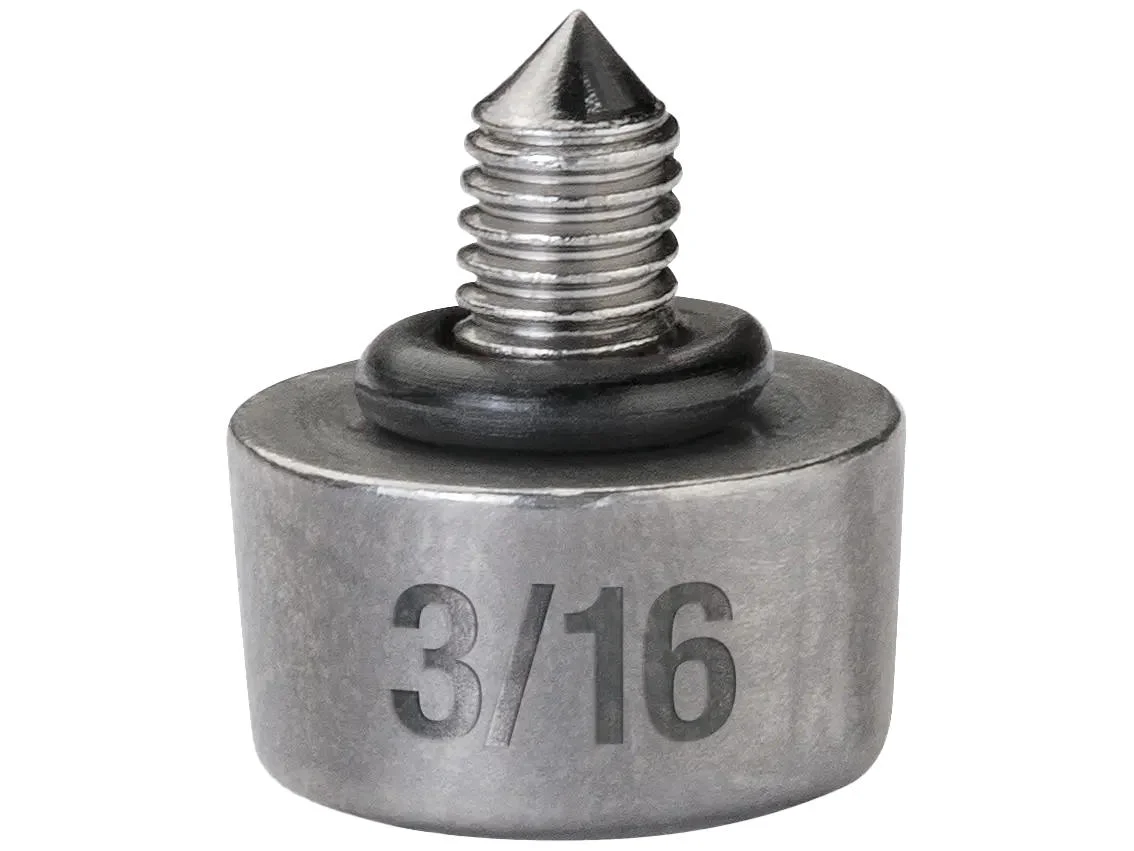
Rapala Screw Diver tungsten weight — the ICAST exception - Lead is being re-engineered rather than replaced. Z-Man showed new powder-coated weights built from lead plus durability additives, starting with flipping sizes.
What to do: if you have a tungsten weight size you depend on — Neko nail weights, drop shot weights, punching weights — buy a working supply now rather than replacing them a pack at a time. Most forecasts put elevated pricing at 18 to 24 months minimum.
Verdict: BUY ahead in the sizes you actually fish. A stock-up, not a panic.
The Jighead Presentation Race
Two releases from opposite sides of the Pacific are pushing the same idea: the jighead is becoming a technique, not just a delivery system.
Ryugi Darting Vespa (Japan)
Ryugi released a finesse jighead engineered specifically for dart action in early July (LureNewsR, announcement, Bass Soku breakdown). Their framing matters as much as the product — mid-strolling and bottom-strolling are the established Japanese jighead finesse presentations, and Ryugi is explicitly positioning dart as the next one in that lineage.
Head shape, taper angle, and center of gravity are tuned together for a stable side-to-side dart. Notably, Ryugi deliberately restrained the dart width, taking the position that too much width is counterproductive in many situations — an unusual thing for a manufacturer to admit and the most credible detail in the launch. The guard uses the same nylon-coated twisted wire as the VESPA G2 series, with an adjustable guard angle. Six sizes, with #1 and #2 hooks covering finesse worms up through heavier baits.
The progression they describe: from showing a bait and making them eat it, to making them chase, snapping it away, and forcing a reaction. Aimed at neutral summer bass that won't commit to a straight swim.
Jighead darting is long established in Japanese saltwater fishing and has never really crossed into bass. This is the first purpose-built attempt. It's a tungsten head, which is its own small surprise given everything above.
Sourcing note: jpnfishingtackle.com is the only retailer we've found carrying it stateside right now, with shipping running around $19.99. We haven't ordered from them ourselves — worth knowing if you're deciding whether early access is worth an unknown vendor.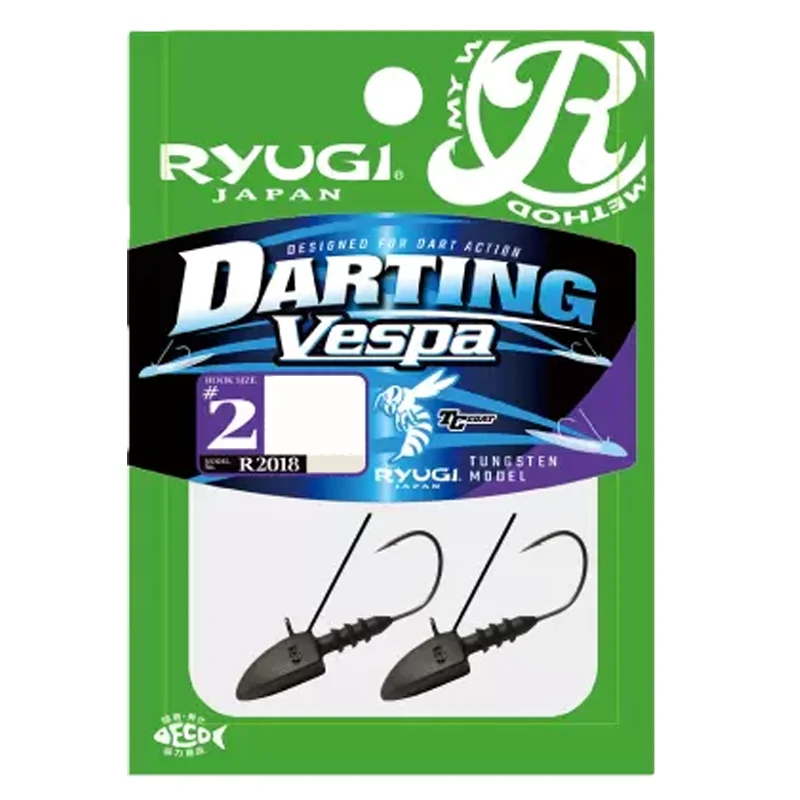
Buckeye G-Stroll Head (U.S.)
Designed by Gerald Swindle, the G-Stroll uses an off-centered weight to create a rocking action that brings soft plastic minnows to life, paired with a premium EWG-style hook. Six weights from 1/8 to 1/2 oz in 2/0 through 4/0 hooks, three per pack, around $6 — though not every weight-and-hook combination has reached shelves yet. Available at Tackle Warehouse.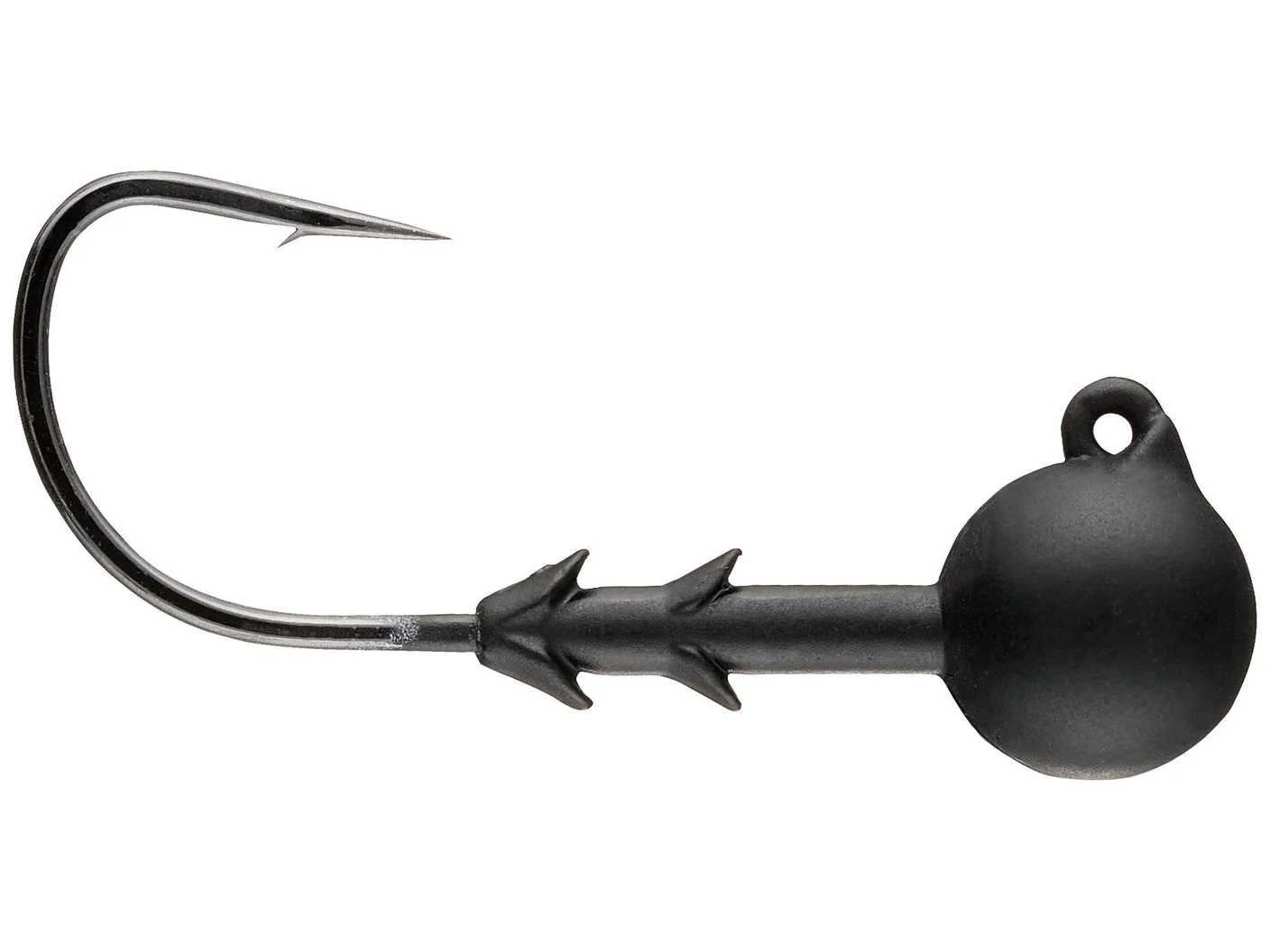
Same underlying idea as the Darting Vespa — build the action into the head instead of asking the angler to generate it — arrived at independently. When two markets converge on a concept in the same month, it's worth attention.
Trends and Anti-Trends
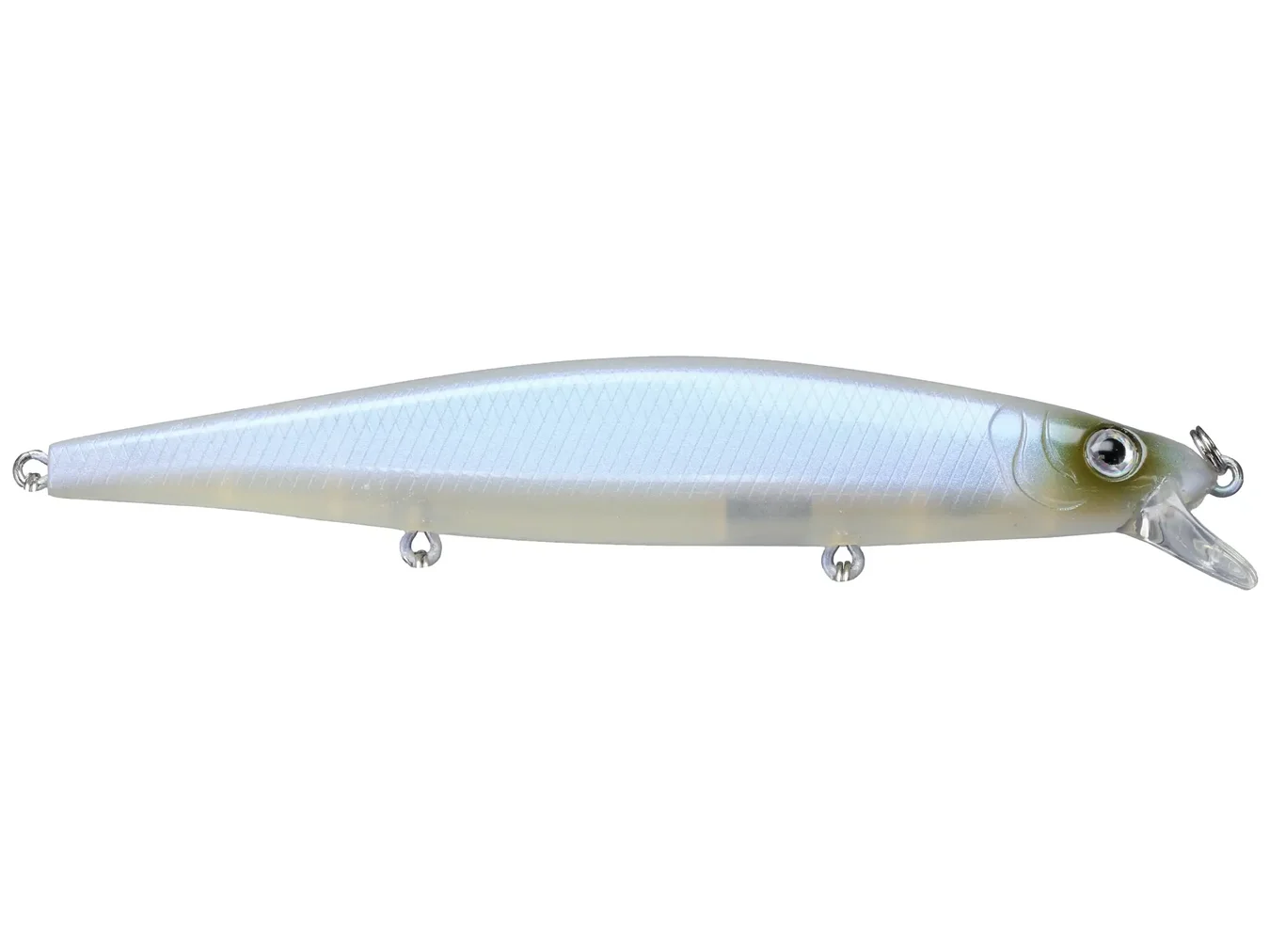
Shallow jerkbaits
Not a full trend yet, but heading there: jerkbaits purpose-built for shallow water. They float, but the bill geometry is different, so they don't dive.
- Bill Lewis Snap Stik 110, designed by Matt Becker
- Megabass Ito Shiner SSR — 115mm, floating, with a maximum swimming depth around 50 to 70cm so it works over the top of cover and weedbeds. The wide lip is what keeps it up rather than pulling it down.
There's precedent: Brent Ehrler and Justin Lucas won the MLF team event in Louisiana in November 2025 partly on this approach, though Ehrler used a conventional small jerkbait rather than a dedicated shallow model.
Pair this with the Seaguar Brawlr below — mono's stretch and buoyancy suit a shallow-running jerkbait well.
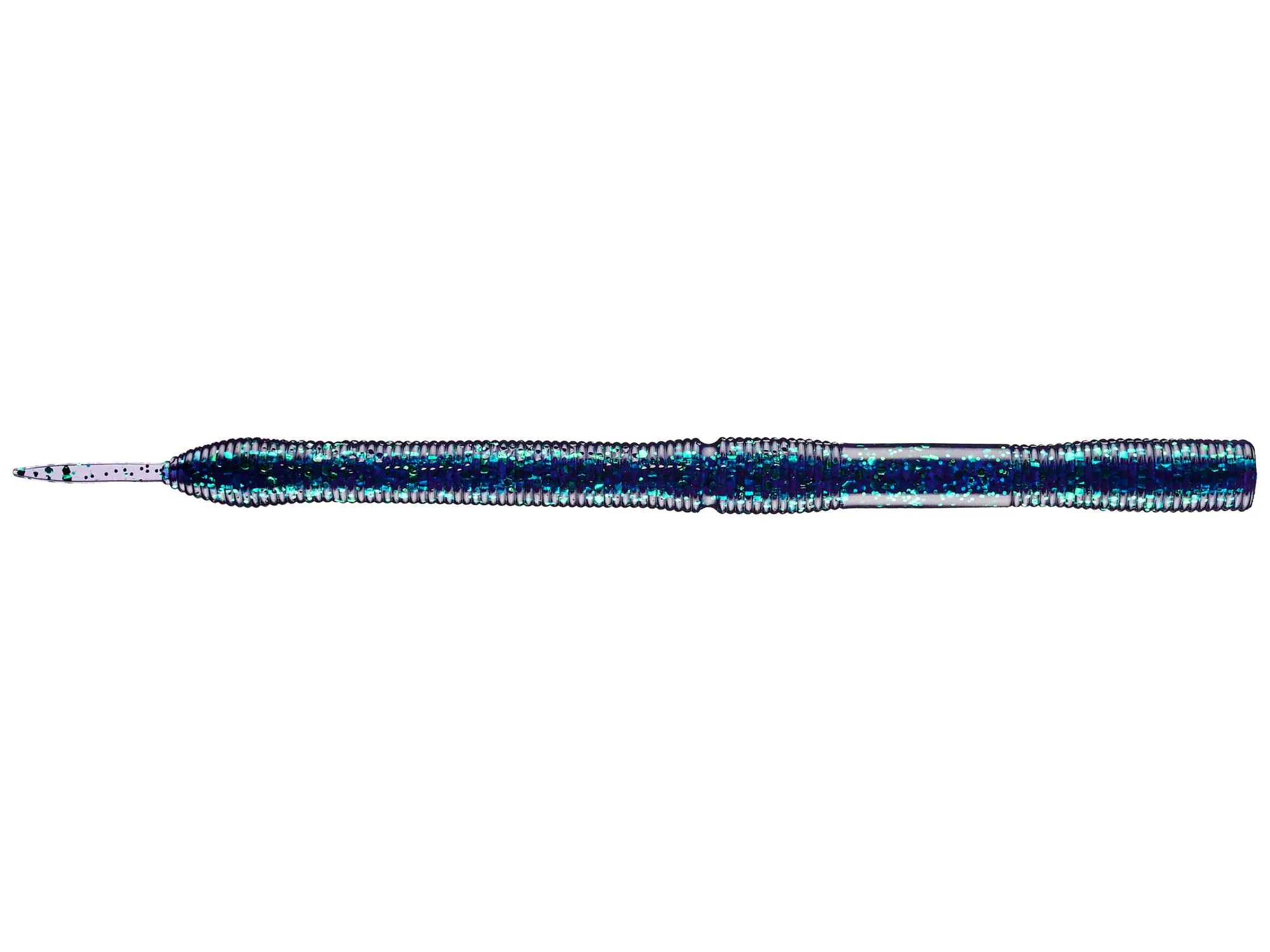
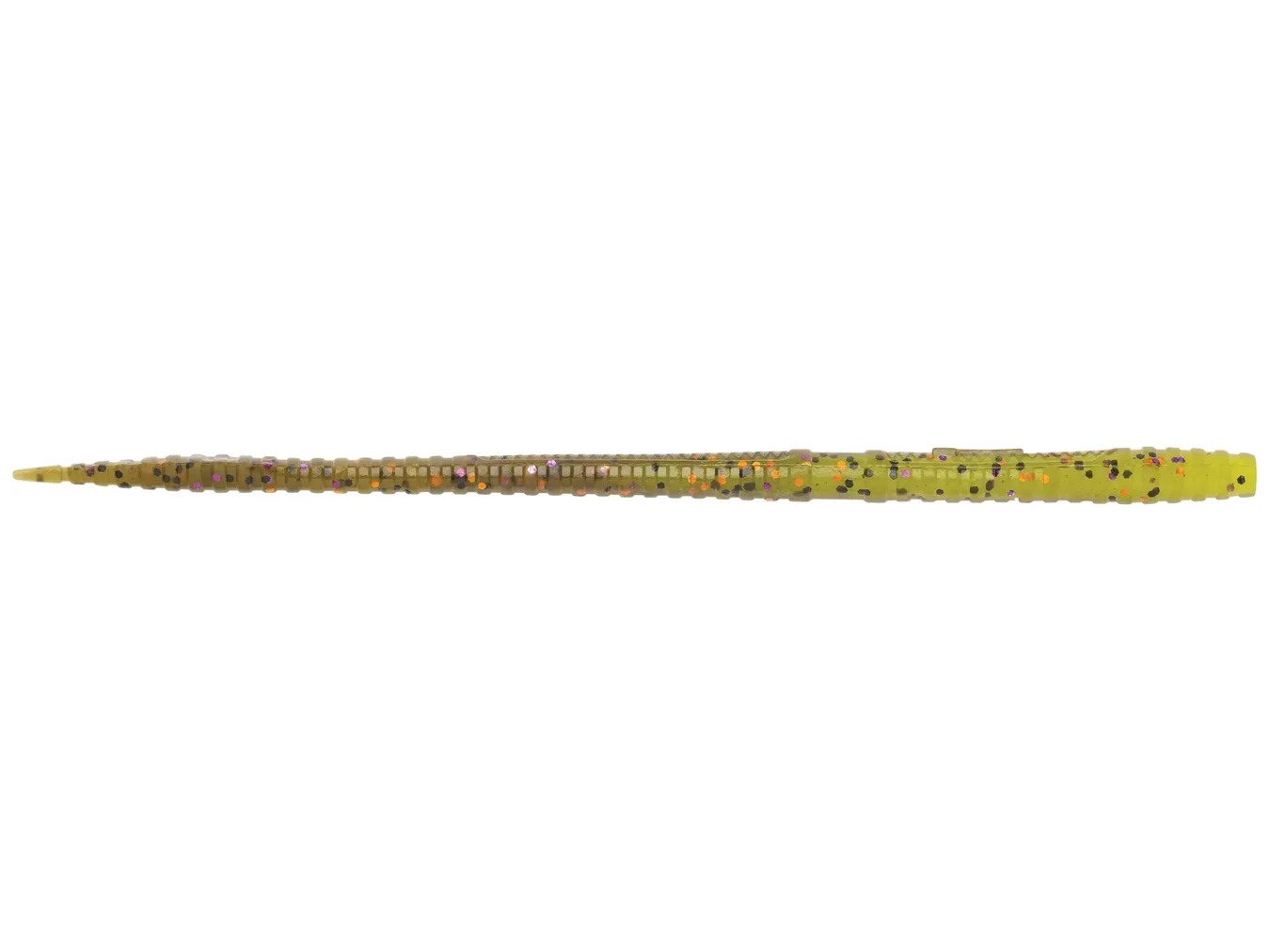
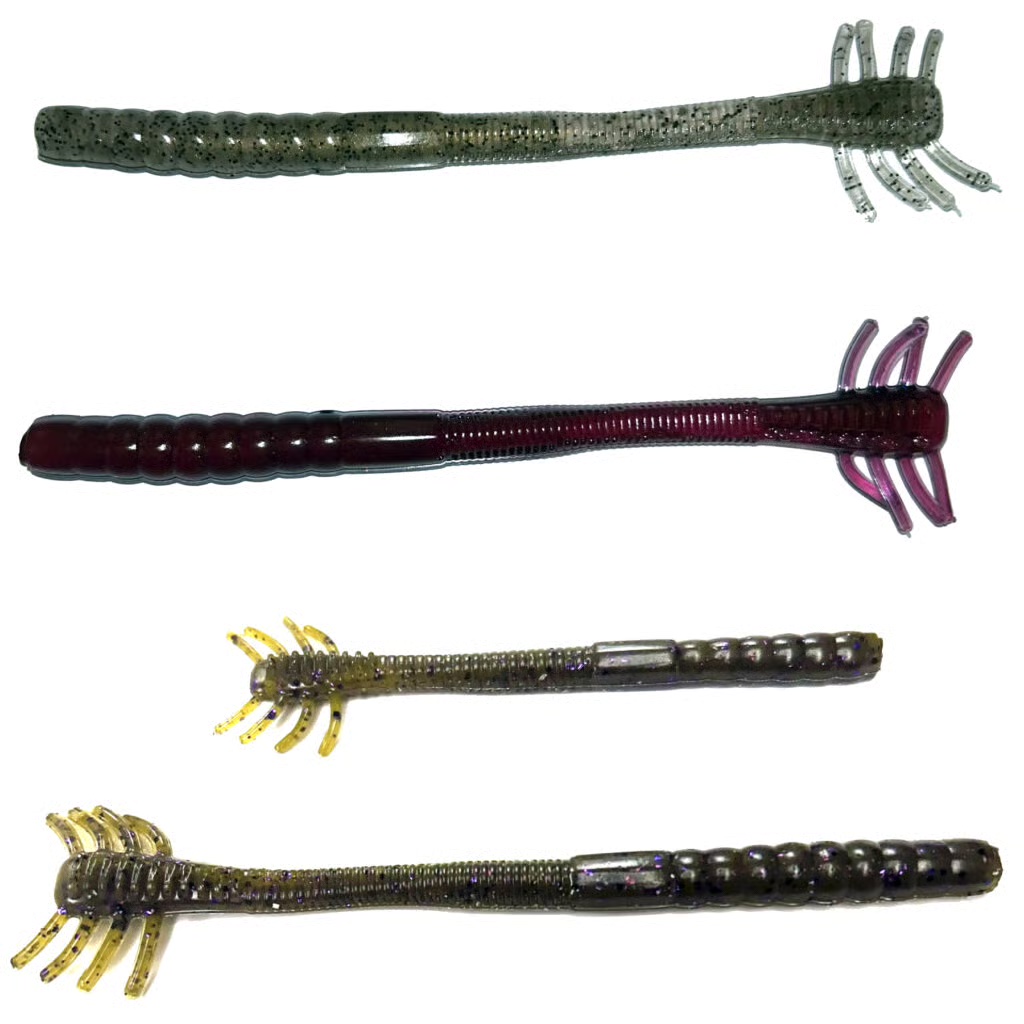
Neko rigging keeps expanding
Three major companies shipped dedicated Neko worms in one cycle:
- YUM Gadget Worm — asymmetrical profile for an off-balanced shimmy, reinforced enlarged head that holds nail weights and resists tearing, and a 360-degree indent for centering an O-ring. 5" and 6", 14 colors, aggressively priced.
- Rapala CrushCity The Inspector — thick head for Neko weights and nose-hooking, O-ring slot, core-shot colors.
- Strike King FG Worm — Easton Fothergill's design, built to move maximum water without traveling toward you. He reports it also performing on drop shot, hover rig, and Ned. 4" and 5.5", late this year.
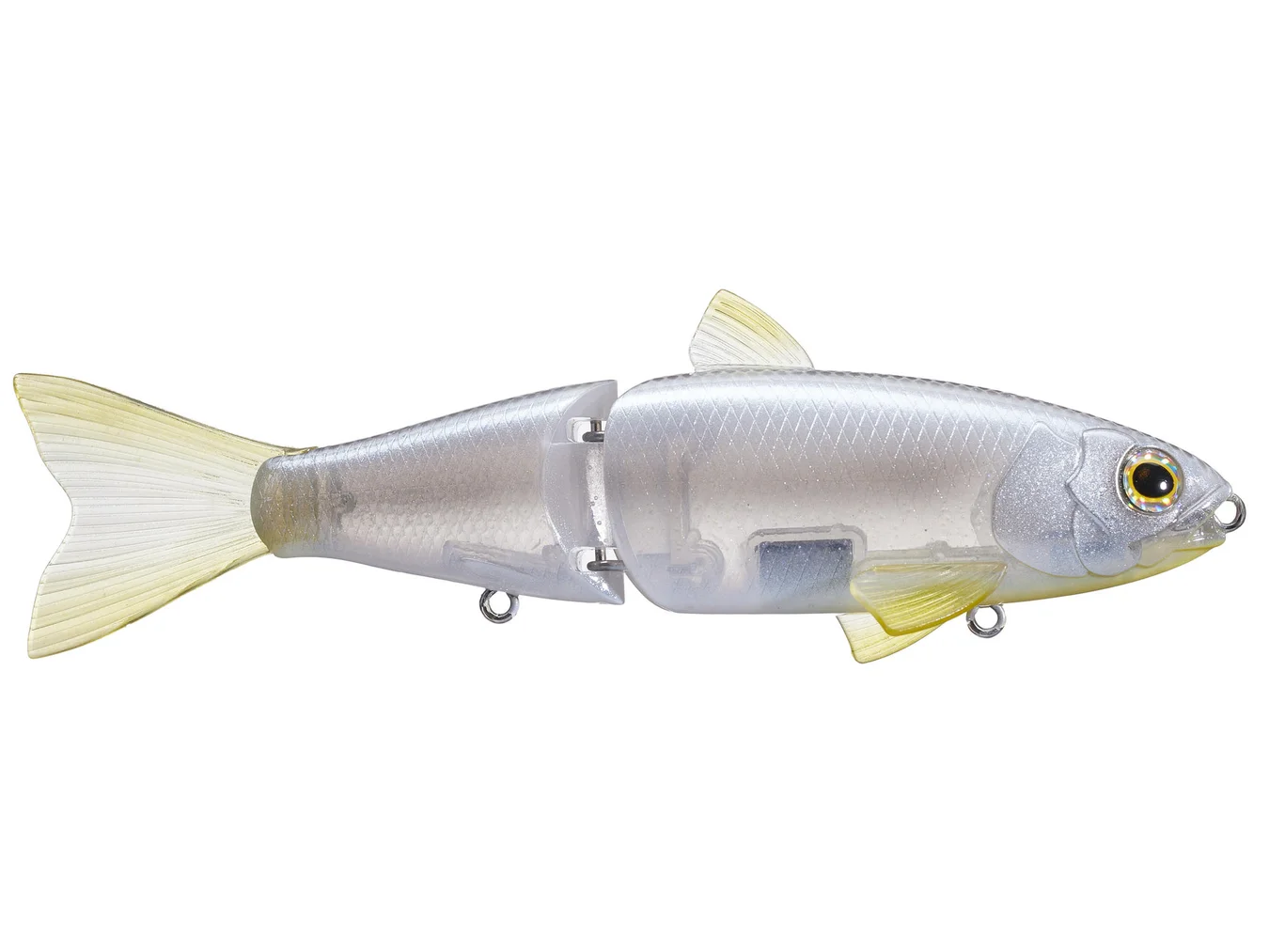
Glides keep climbing
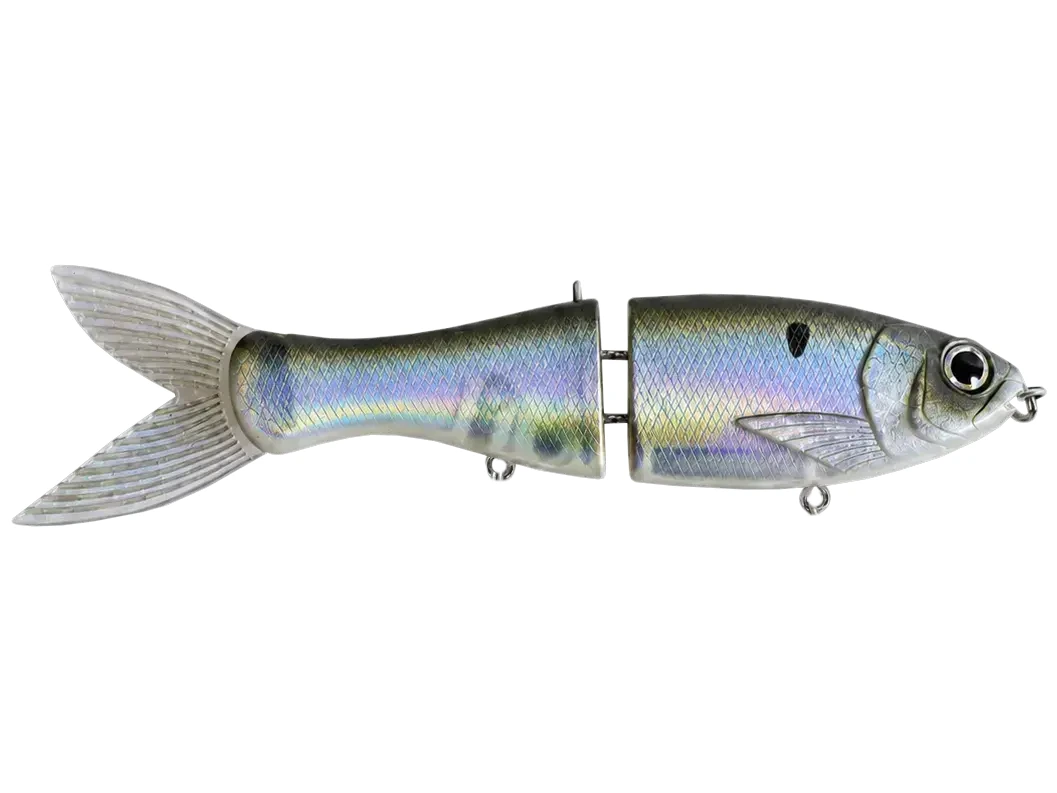
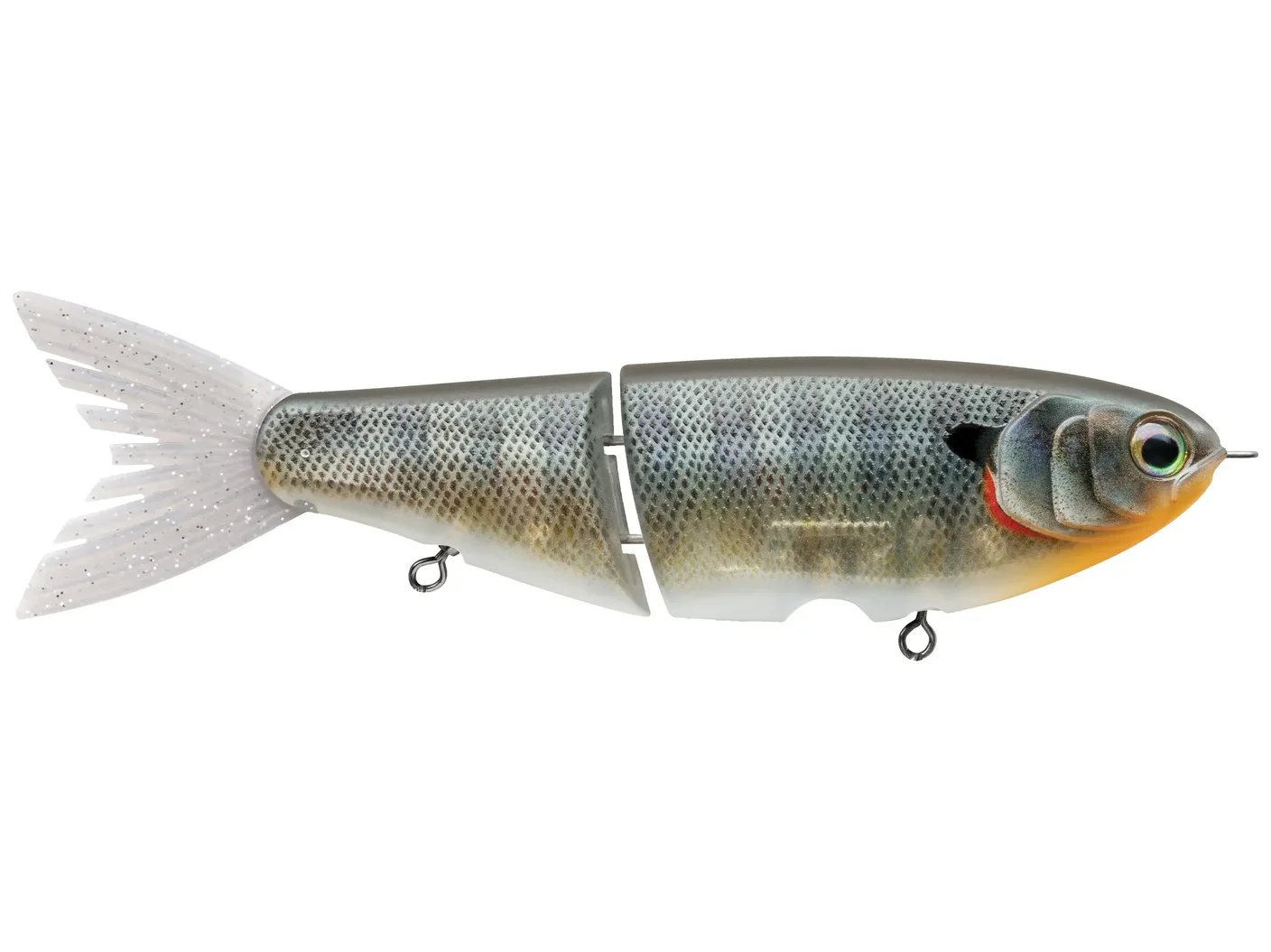
The reasoning: hand-poured resin glides sell out fast and cost a fortune, social media and tournament results have removed the fear of throwing a 7 to 10 inch bait, and forward-facing sonar lets you track an expensive bait and keep it out of snags.
Standouts: Bucca Brand Trick Herring (herring profile, built to be fished fast), Rapala PXR Stryda 180 with a threaded insert for the new Screw Diver weight system — which spares your baits from repeated nail-weight surgery — and the FishLab Pro Hydra Glide, Bill Siemantel's answer to glides that blow out when you speed them up.
Micro finesse is growing
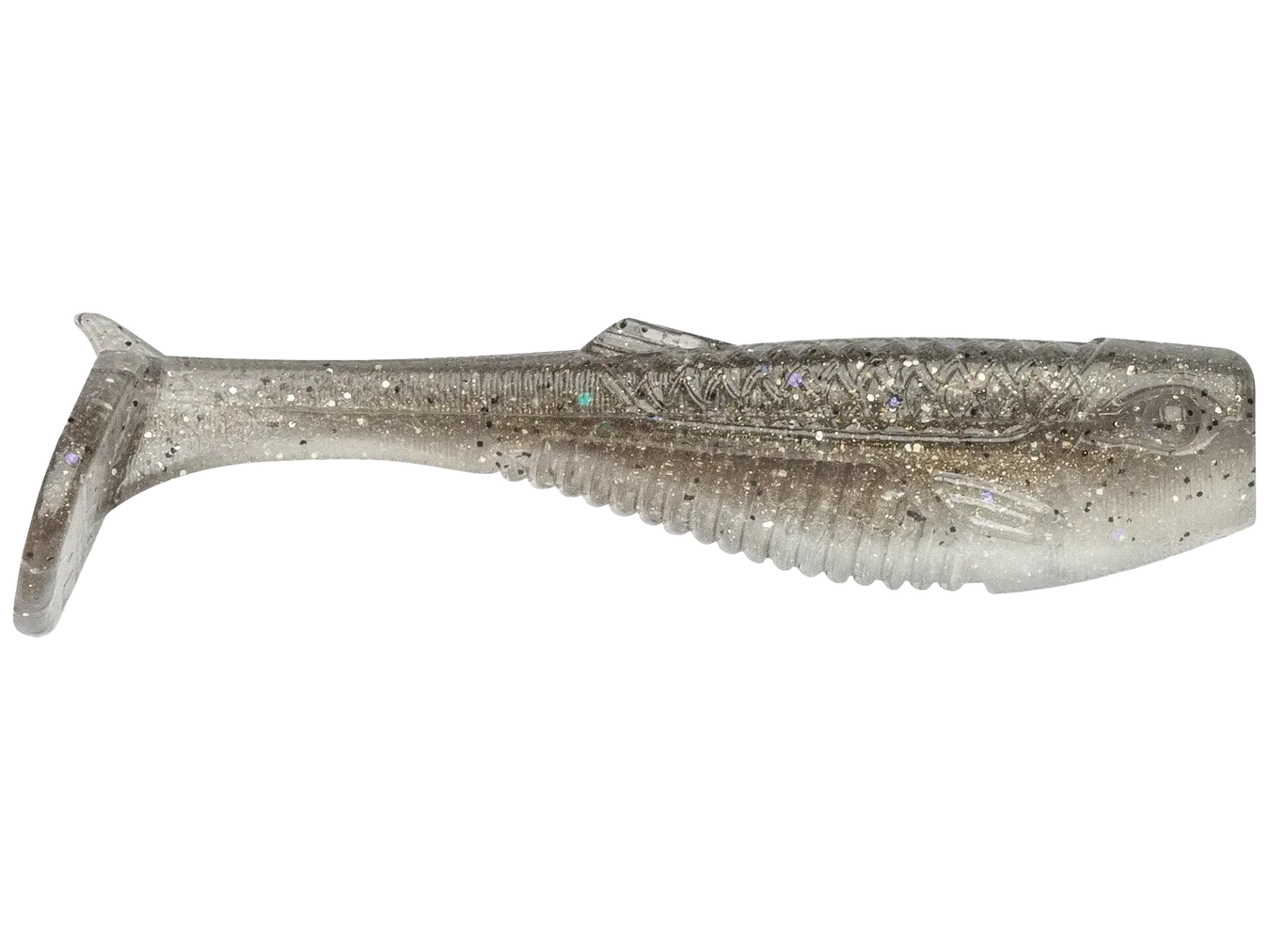
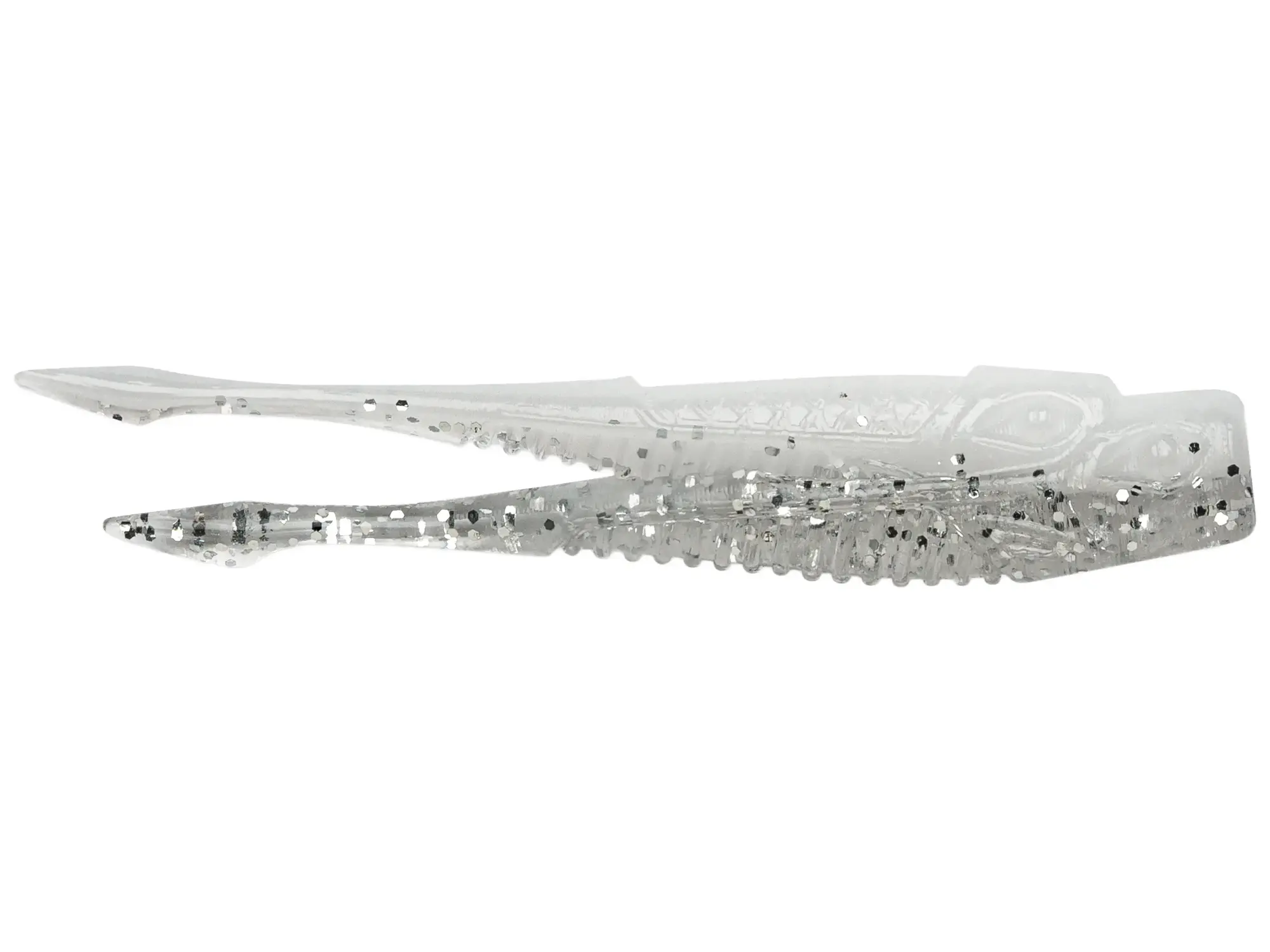
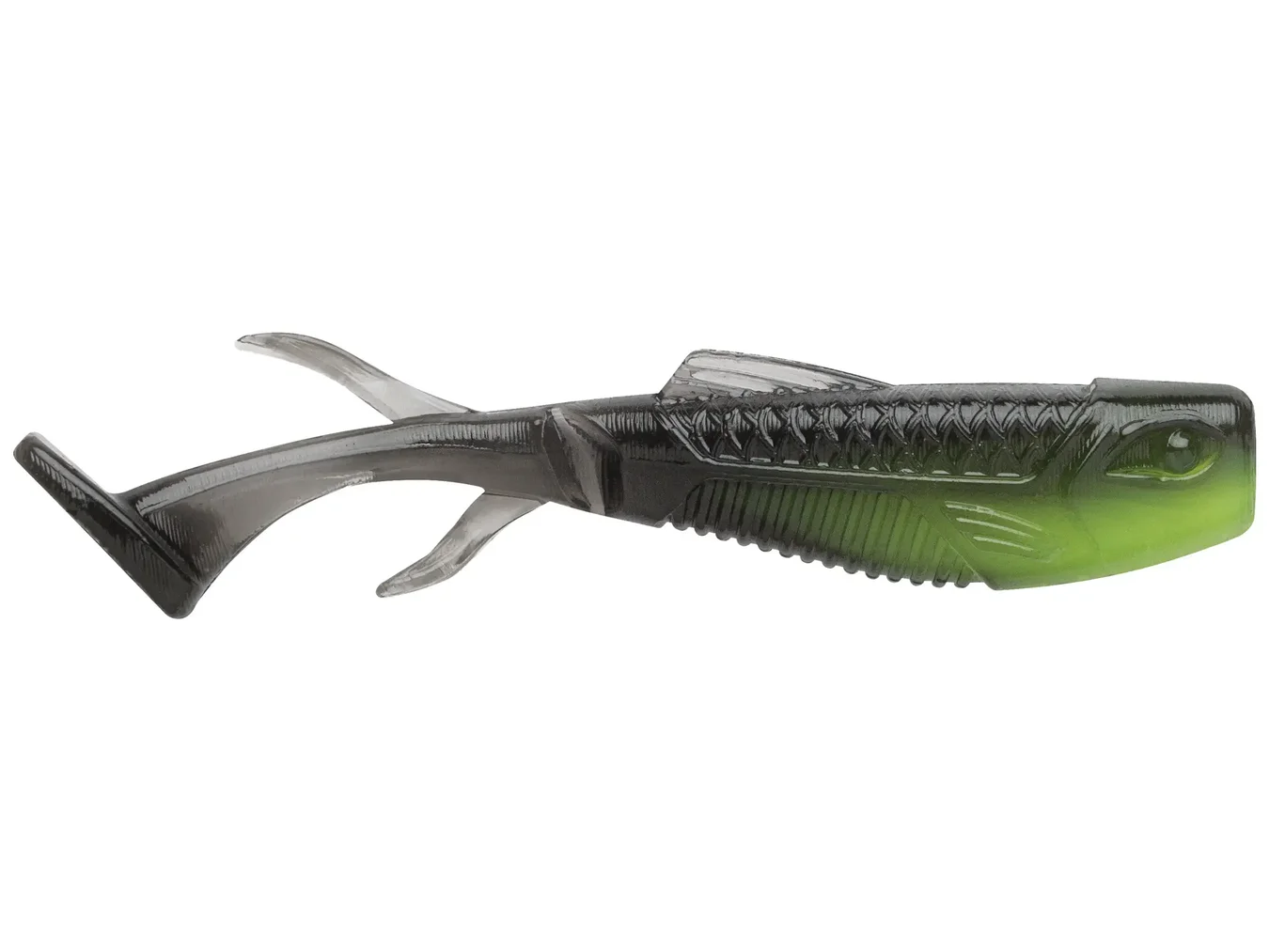
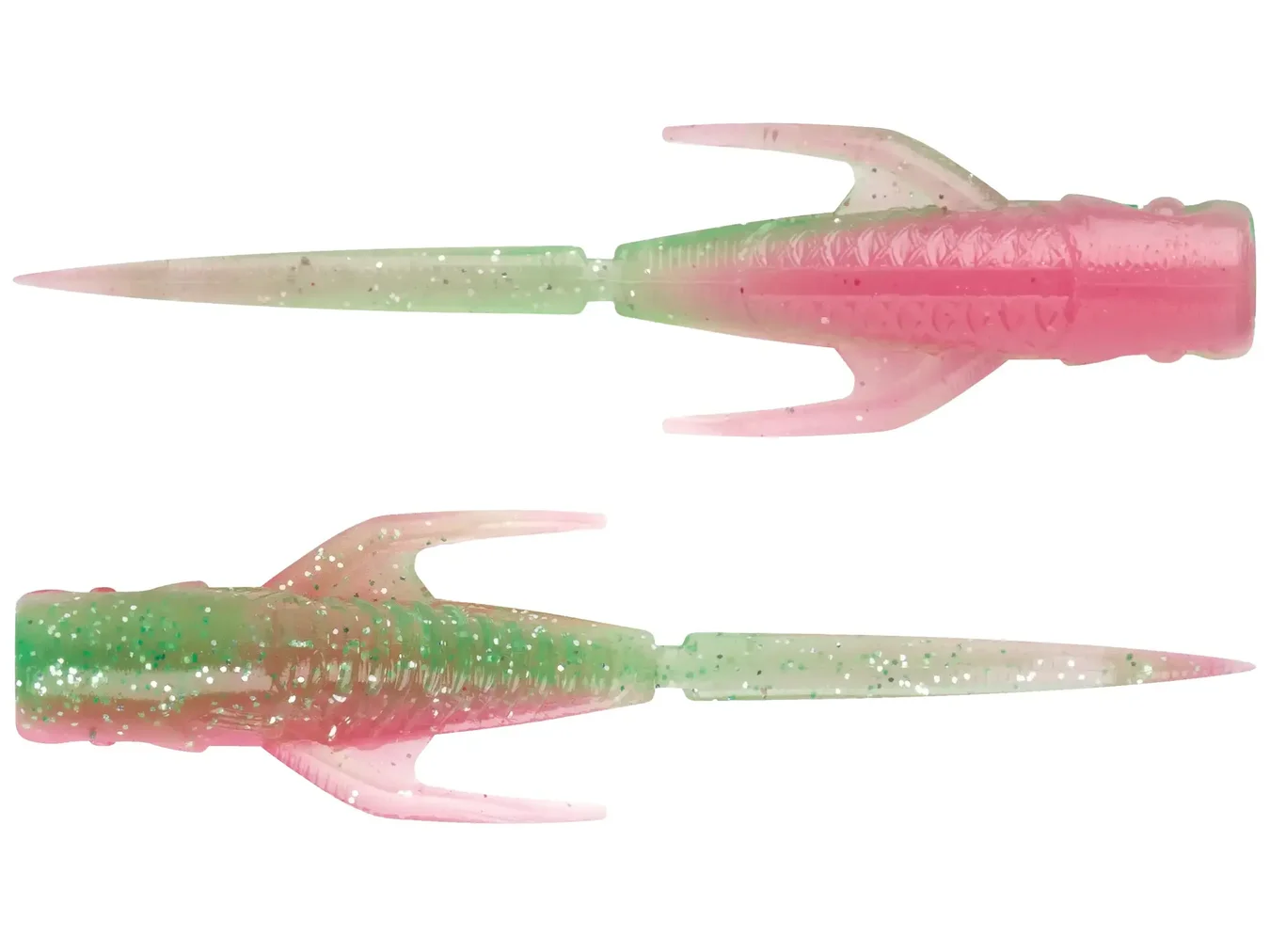
Small-profile crappie baits are increasingly viable for bass, especially with crappie color work trending natural rather than loud. Candidates: the 1.5" Bobby Garland Slab Stalk'R, designed for tight tail action that stays natural at slow speeds, and Rapala's CrushCity expansion — downsized Lil' Freeloader, Lil' Mooch Minnow, and Lil' Mayor versions alongside three new profiles in the Fryball, Sizzle Shad, and Trident.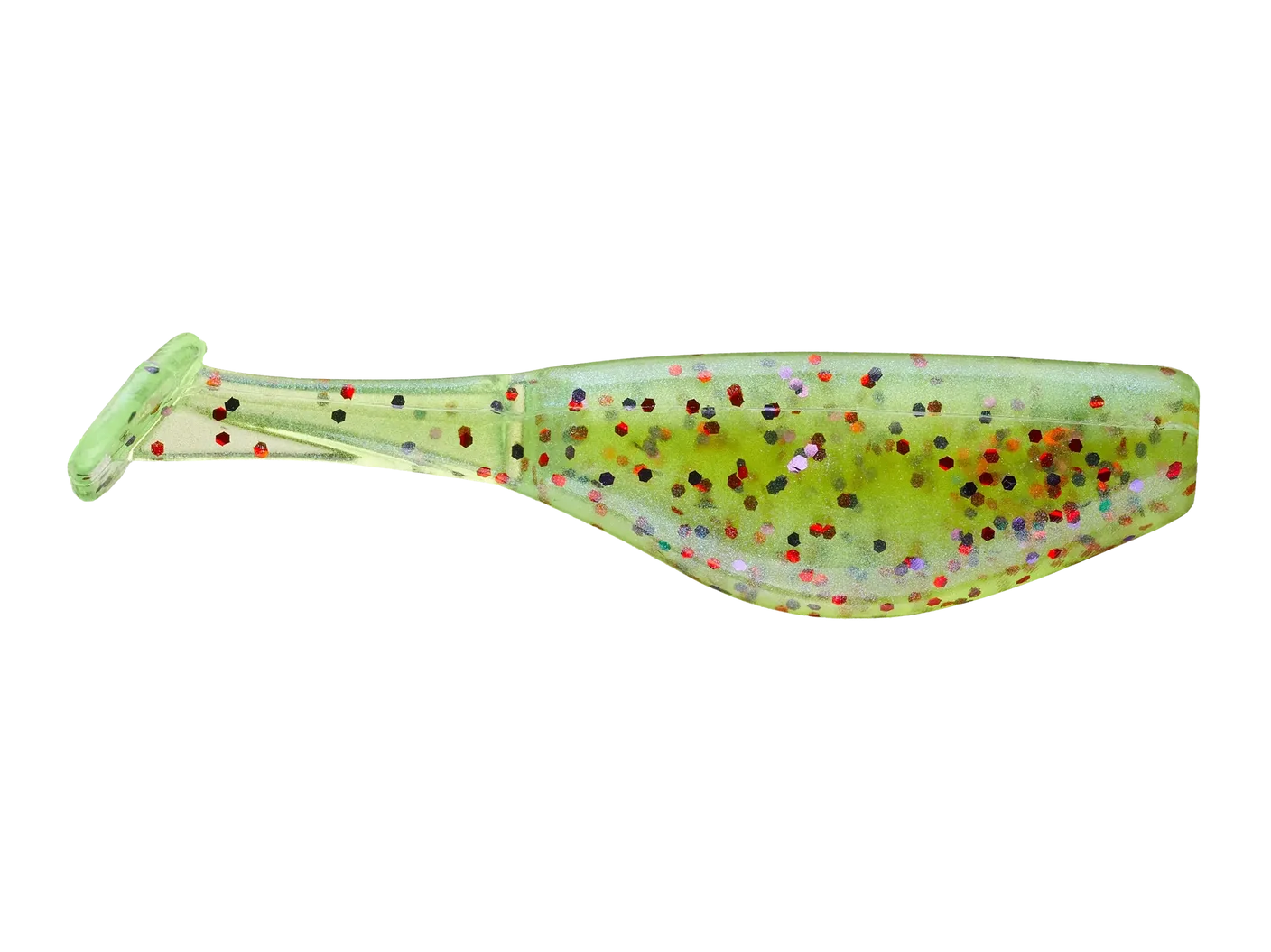
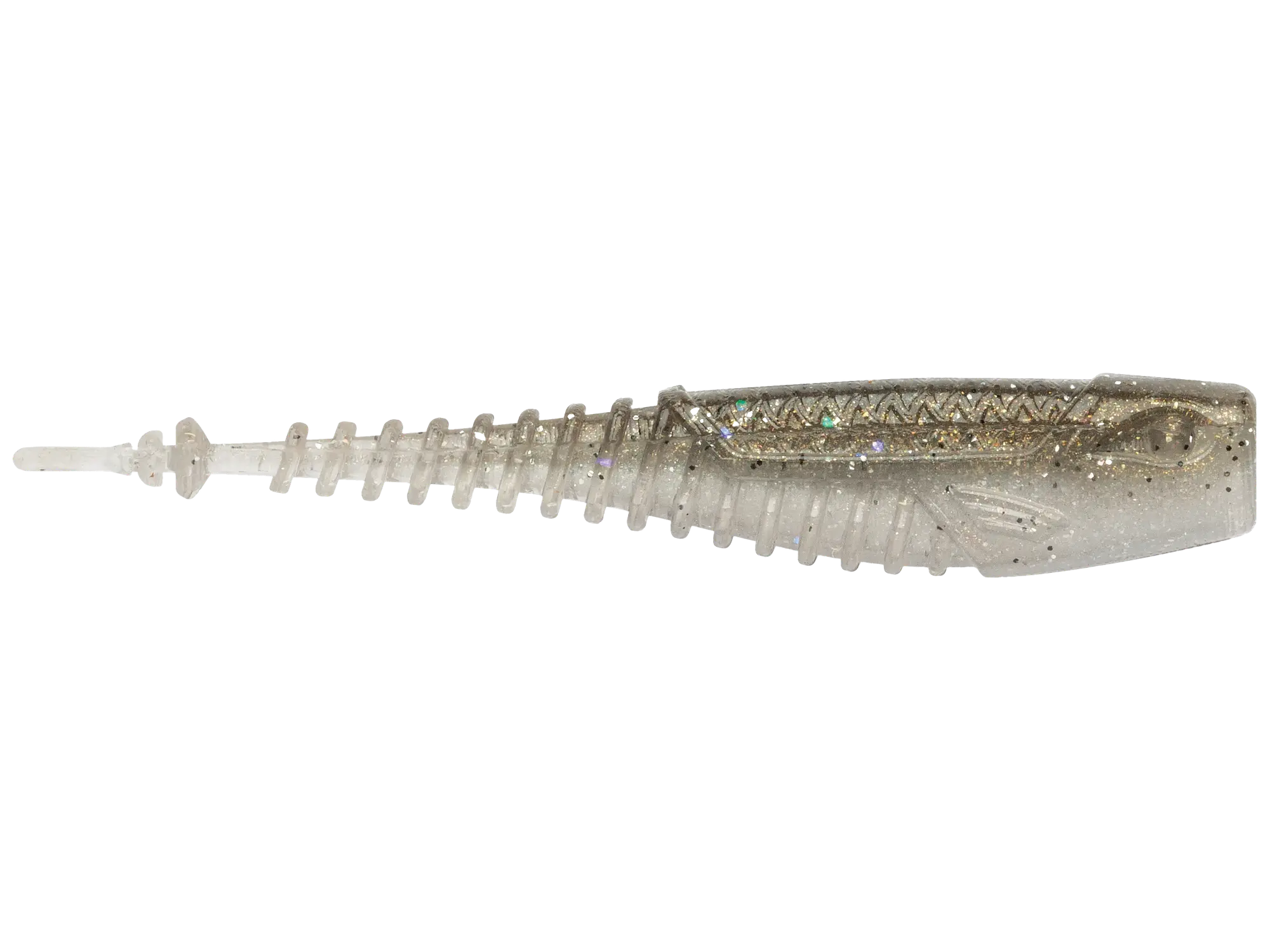
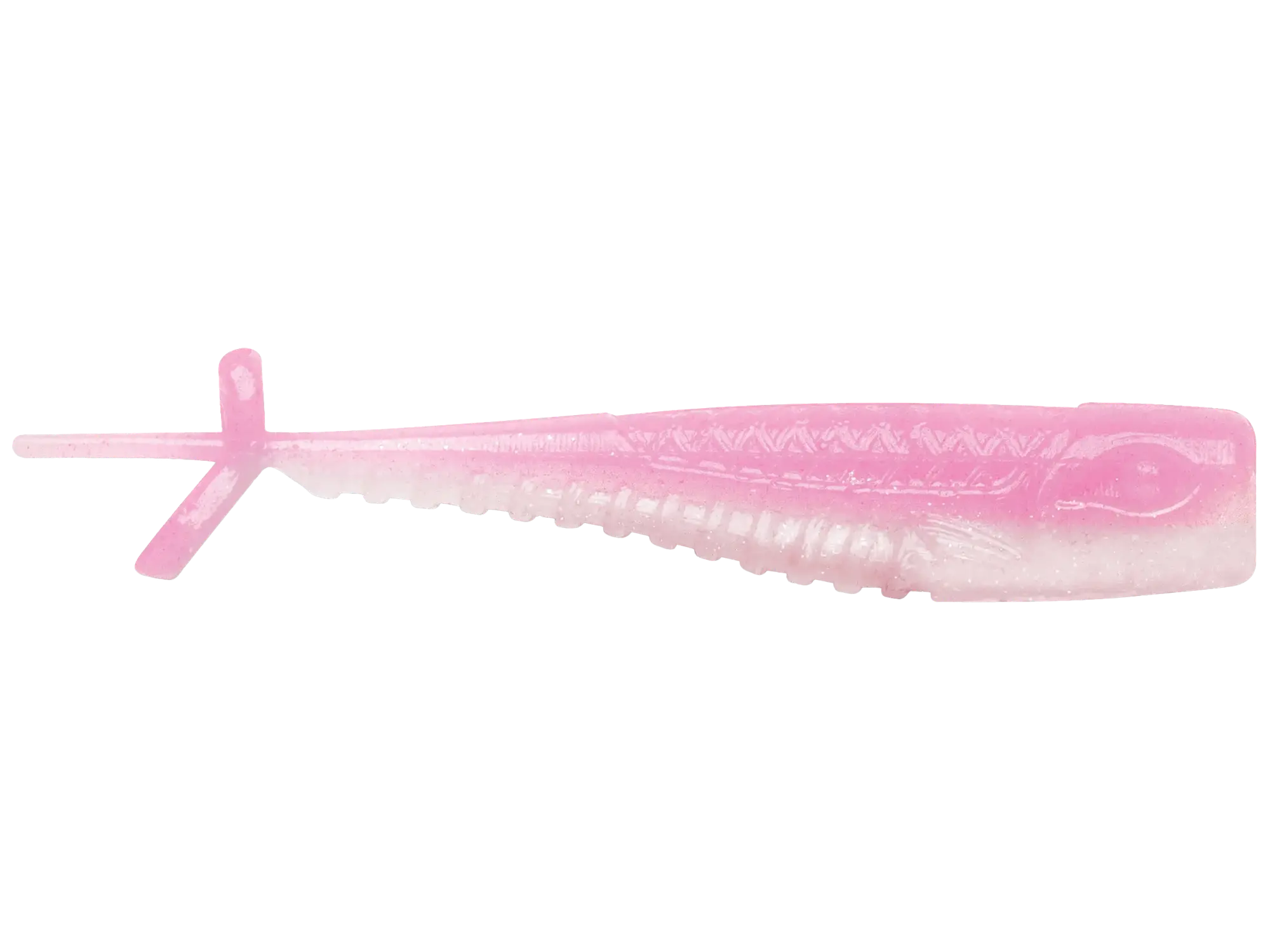
Minnows: the anti-trend that isn't
Chasing the minnow bite was noticeably down at ICAST — either urchins absorbed the attention or anglers already have everything they need.
But look again at the Champlain numbers: jighead minnows accounted for 70% of the smallmouth patterns in the Top 10. This is a category that has stopped churning, not one that has stopped working. If you've already built out a minnow program, that's good news — your gear isn't going obsolete.
Electronics: LiveScope 2
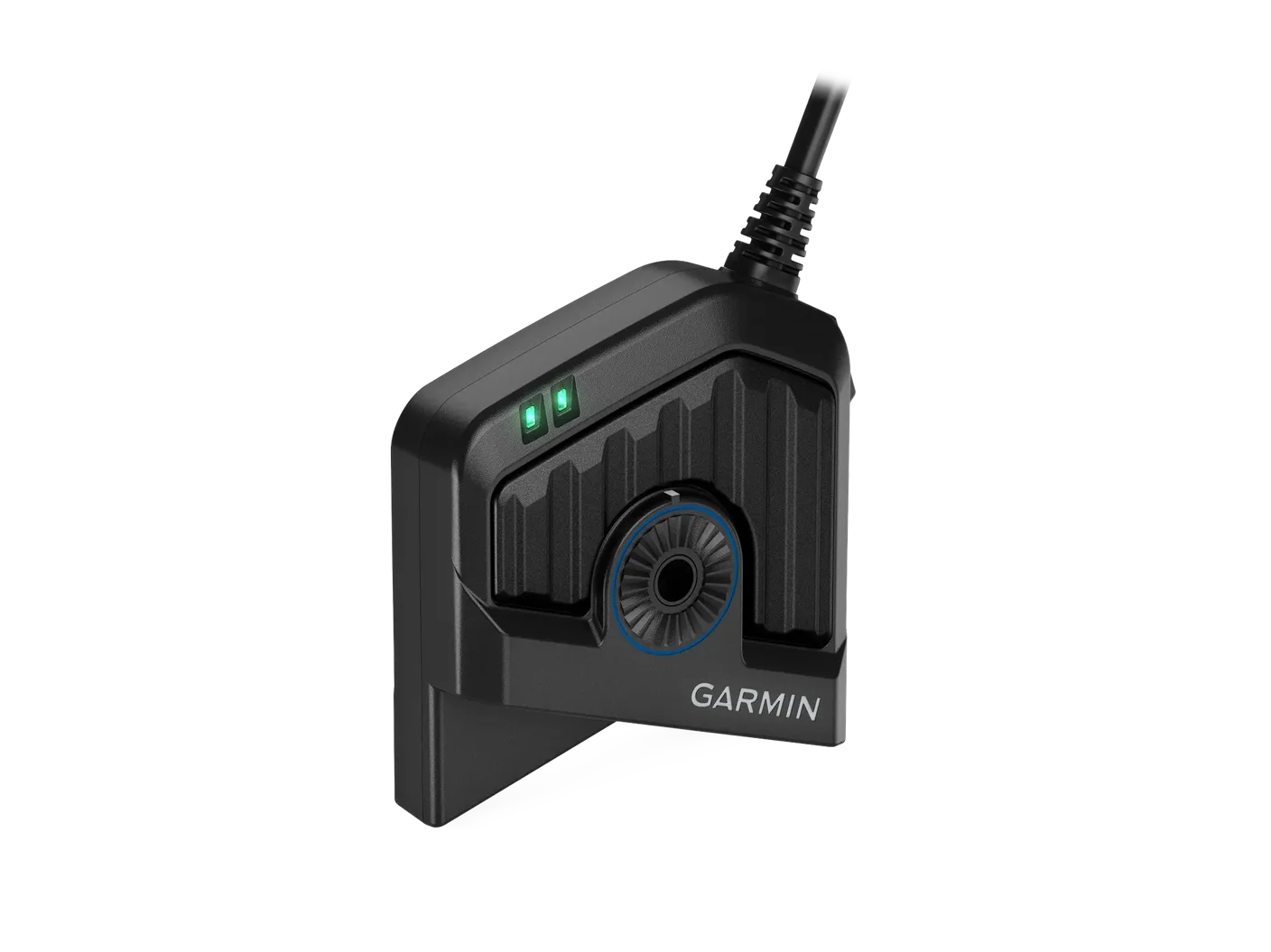
Garmin's LiveScope 2 HD took the Electronics award and the Spy Pole took Motorized Boating Accessories — both halves of the stack won separately, and they work together. Spy Pole gives wireless sonar control independent of the trolling motor, with Spy Lock to hold targets while anchor-locked and SpyScan to sweep automatically. Pair either transducer with the GT360UHD and you can overlay live sonar onto a 360-degree view.
Two transducers: LVS44 reaches 250 feet with 20% more resolution for covering water. LVS42HD is tuned for castable range out to 125 feet with roughly 50% more detail up close — the pick for docks, brush, and suspended fish. Both include water detection that stops transmission when lifted out, plus a temperature sensor, and both ship with tool-free trolling motor and Perspective mounts.
The catch that will bite people. LiveScope 2 has no black box — the transducer plugs straight into a compatible chartplotter. But having the right network port isn't enough. Garmin has to have enabled LiveScope 2 on your specific display, and some units that run LiveScope Plus through a working port will not run LiveScope 2. Age doesn't predict it: a 2019 GPSMAP 8610xsv runs it, a late-2019 ECHOMAP UHD 93sv does not.
Verdict: WAIT until you verify your display. If you're on an LVS32 or LVS34, the upgrade case is real — better image quality and you delete the black box in one move. Confirm your chartplotter is on Garmin's enabled list before spending.
Line: Seaguar Brawlr
Seaguar launched exactly one product this year and it's a monofilament — from the company that invented fluorocarbon in 1971. It won its category.
The logic holds: mono is roughly half of all line sold, and they spent years developing this. Per specs circulated at the show and reported by BassBlaster, the claims are about 13% thinner than existing monos, 10% less stretch, 8% more tensile strength, 17% more knot strength, plus less memory and less water absorption. Low-vis green and clear, with the clear carrying a fluorescent component. 2 to 30 pound test, priced toward the high end of average for mono.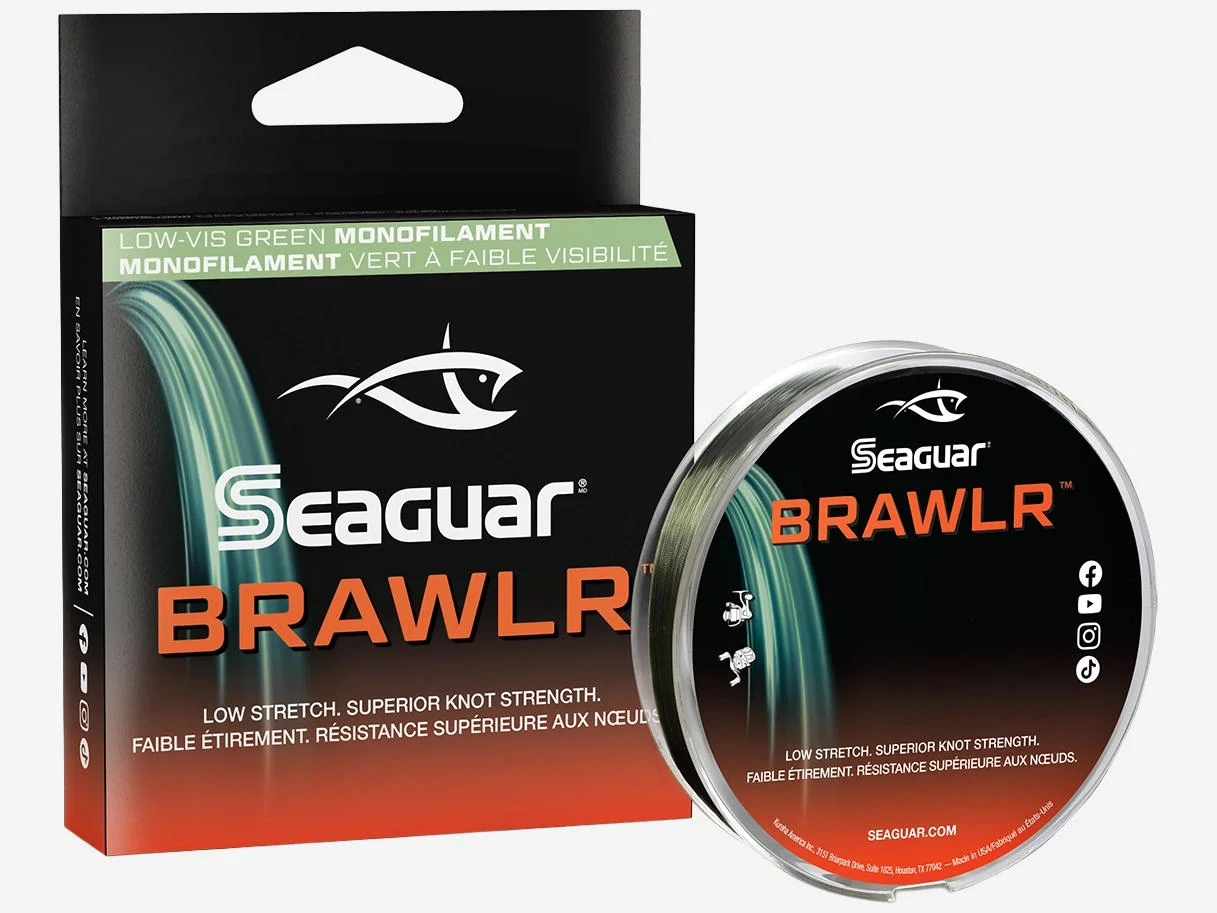
Verdict: WAIT for hands-on reports — but this is the first mono in a while worth a serious look, particularly if you're building a shallow jerkbait setup.
JDM Watch
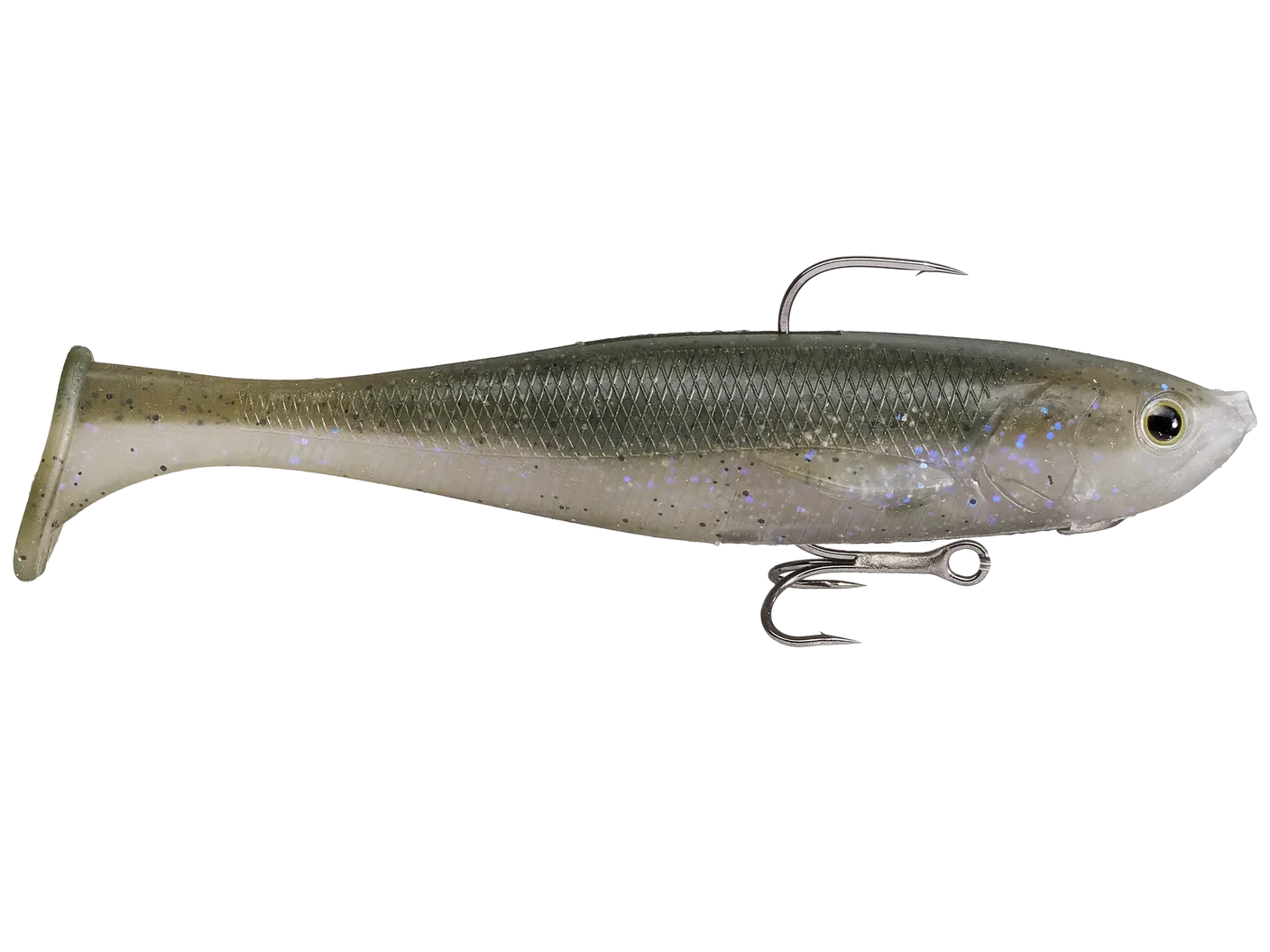
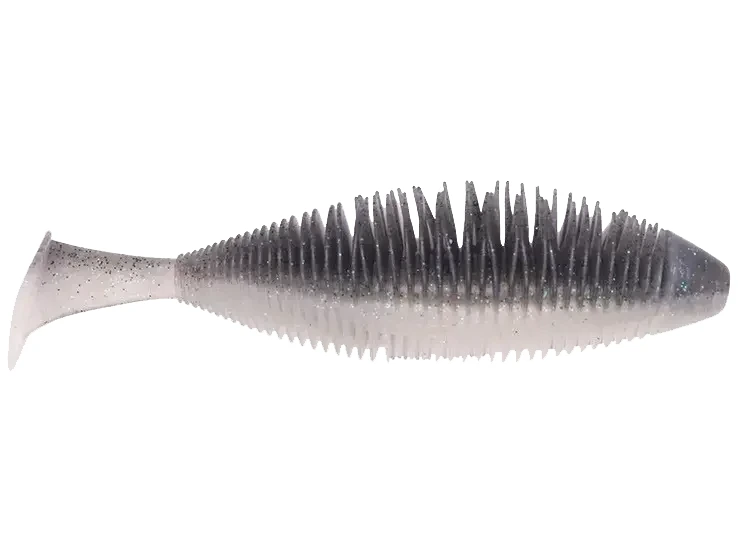
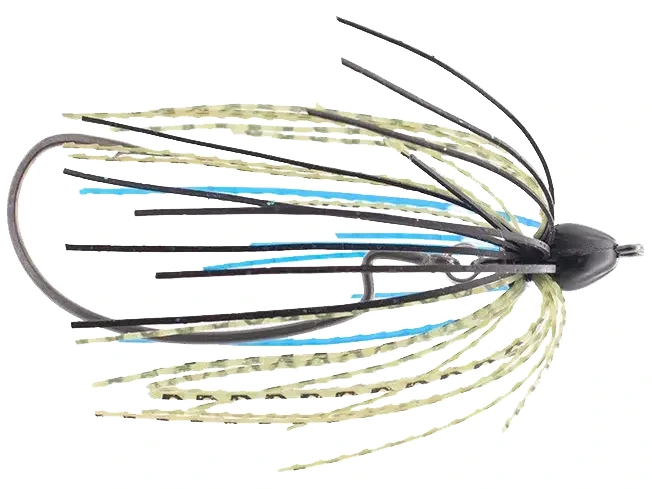
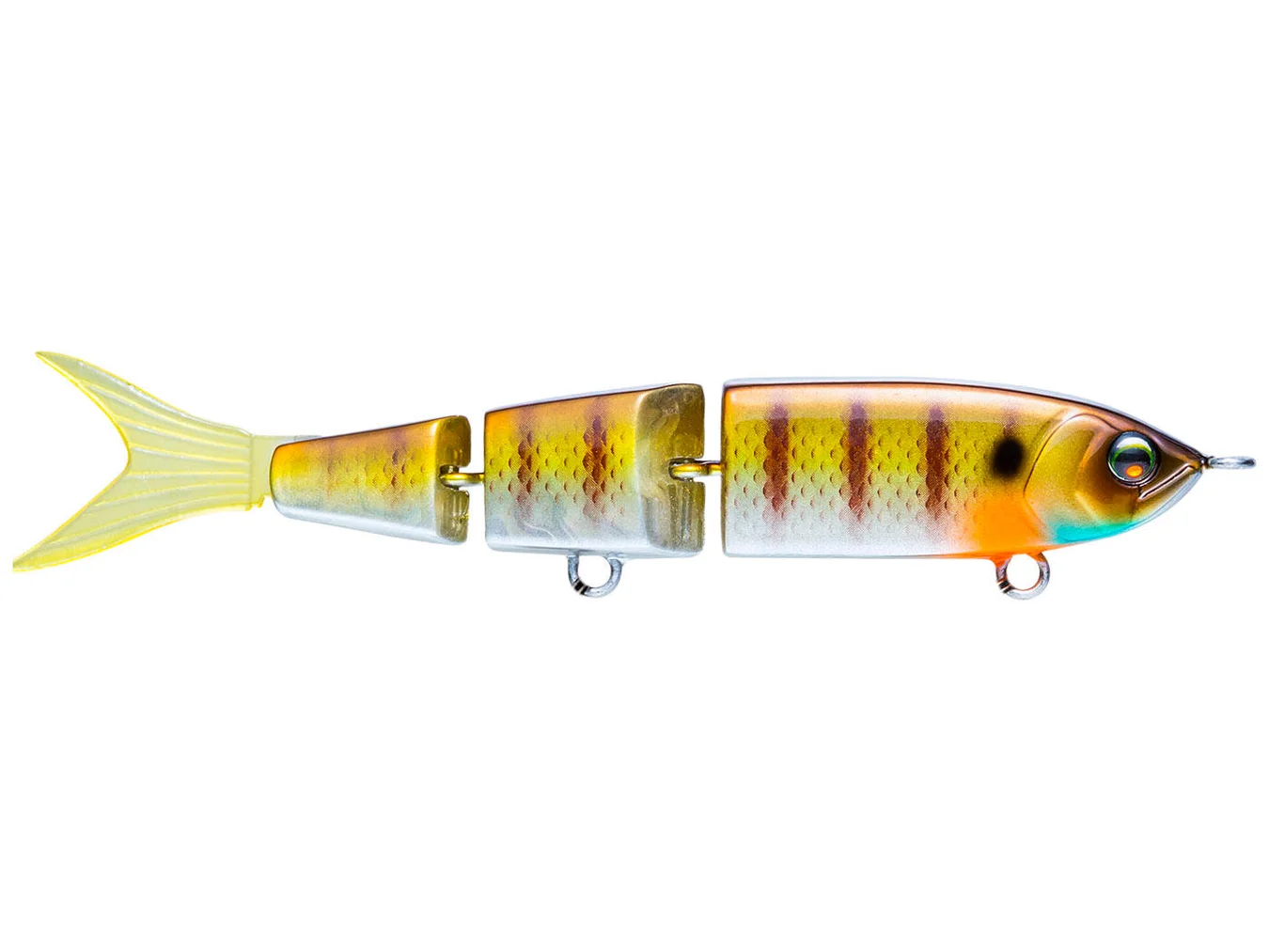
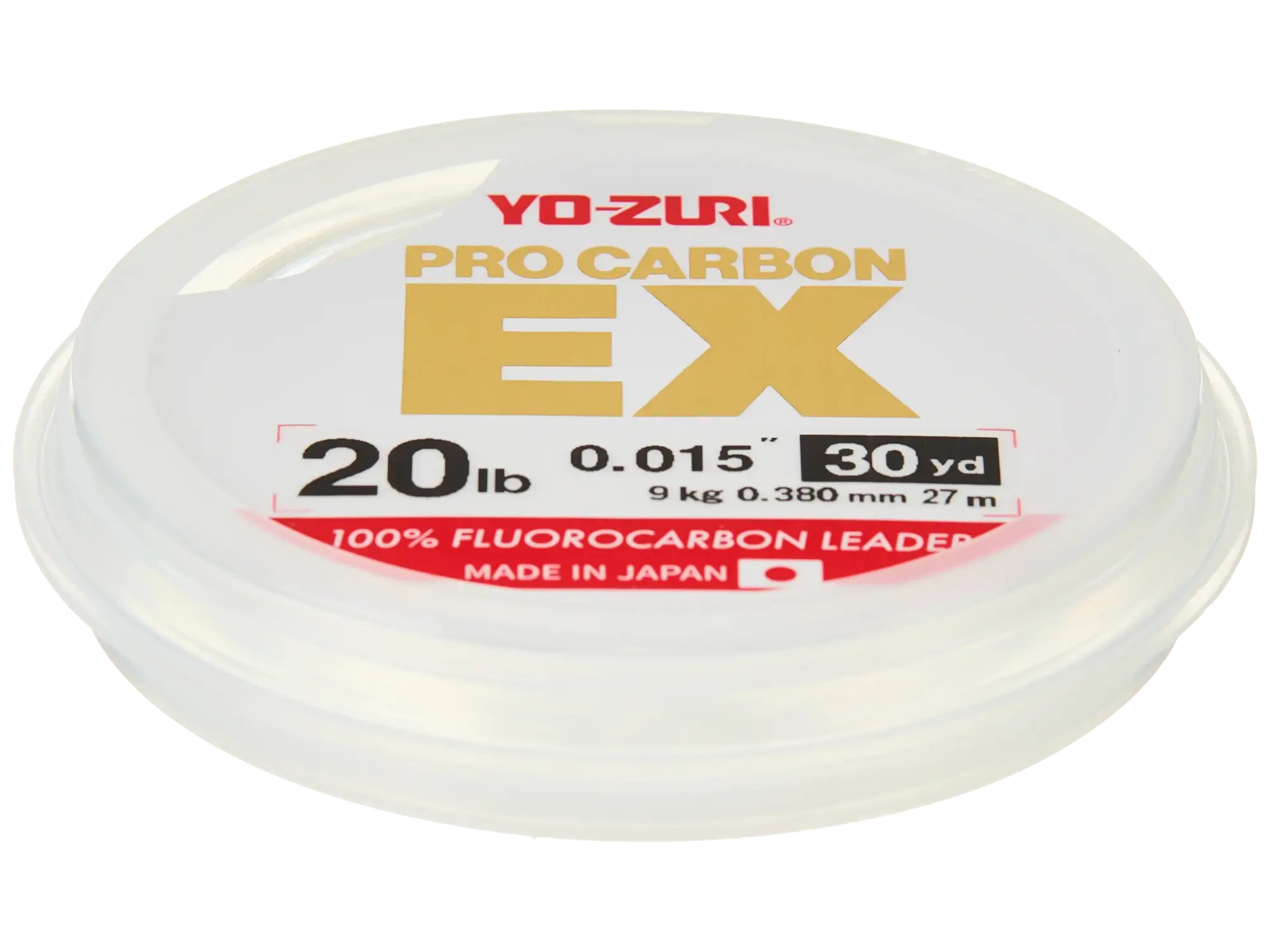
On Tackle Warehouse now: the Imakatsu Dumbbell Crab Elastomer 22mm, built on an urchin core that rigs through the center for drop shot or weightless, or on a small #4 offset hook for weedless work around vegetation. Also the Geecrack Magnum Cue Bomb, Crackdown Swimbait, Bellows Shad Swimmer, and Furi Raba Free Rig Jig, plus Yo-Zuri's Pro Series Joint Bait and Pro Carbon EX fluorocarbon leader.
Backlash new arrivals (late July): a DRT × BACKLASH Tiny Klash in gold leaf landed July 27 — collabs like this typically sell out same-day. Also Lucky Craft Fuwau 33S in a Meister color, a Jackall King Jimmy Henge Medium restock, and several Trinity Custom Baits releases.
Megabass × BRIEFING returns for a second year, seven pieces.
Lure Magazine's September issue hit July 21 with a summer topwater feature and a LiveScope 2 first look — the topwater-in-summer emphasis is running on both sides of the Pacific.
Also out: Daiwa's Steez Popo Frog.
Also Worth Knowing
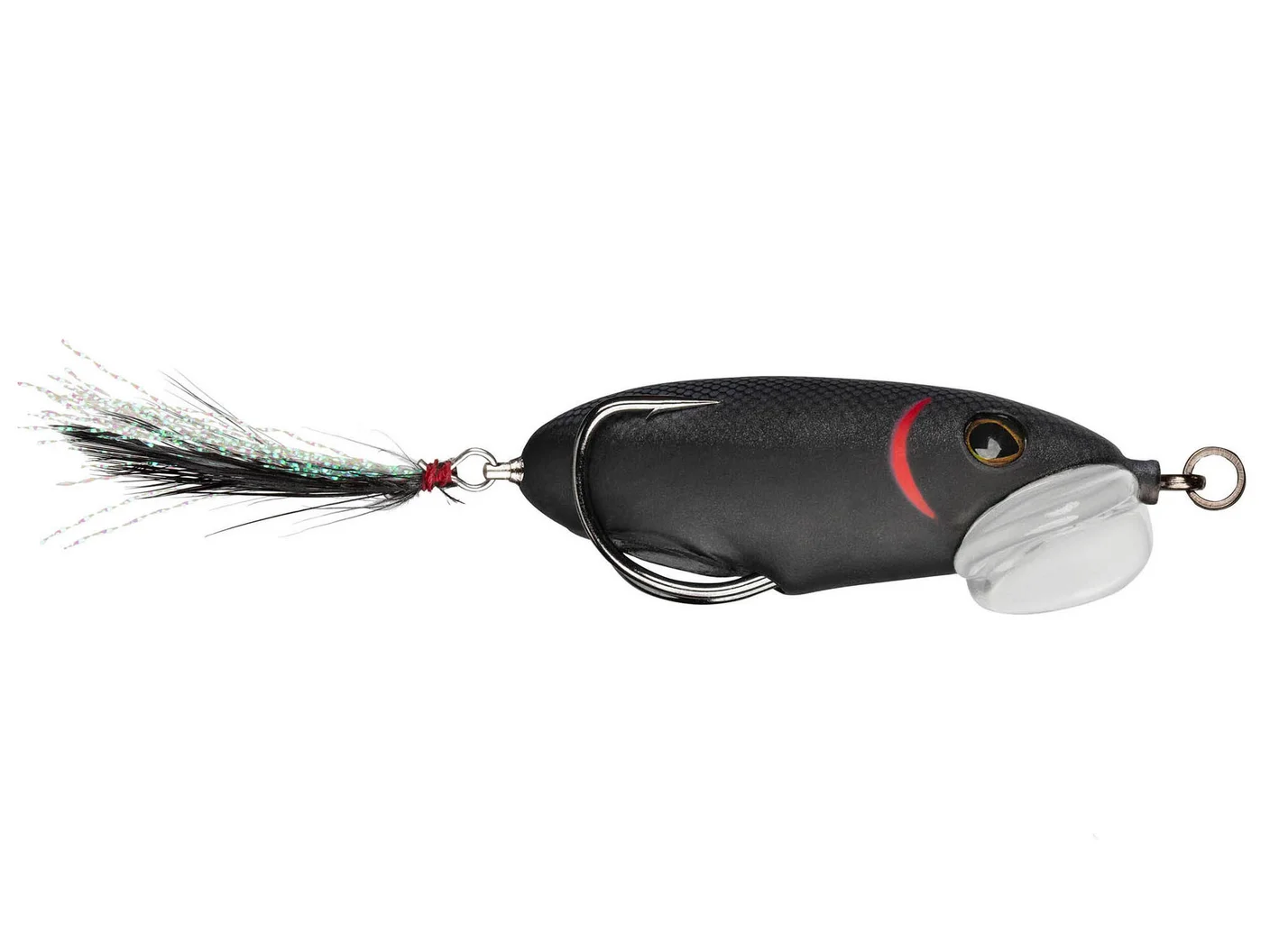
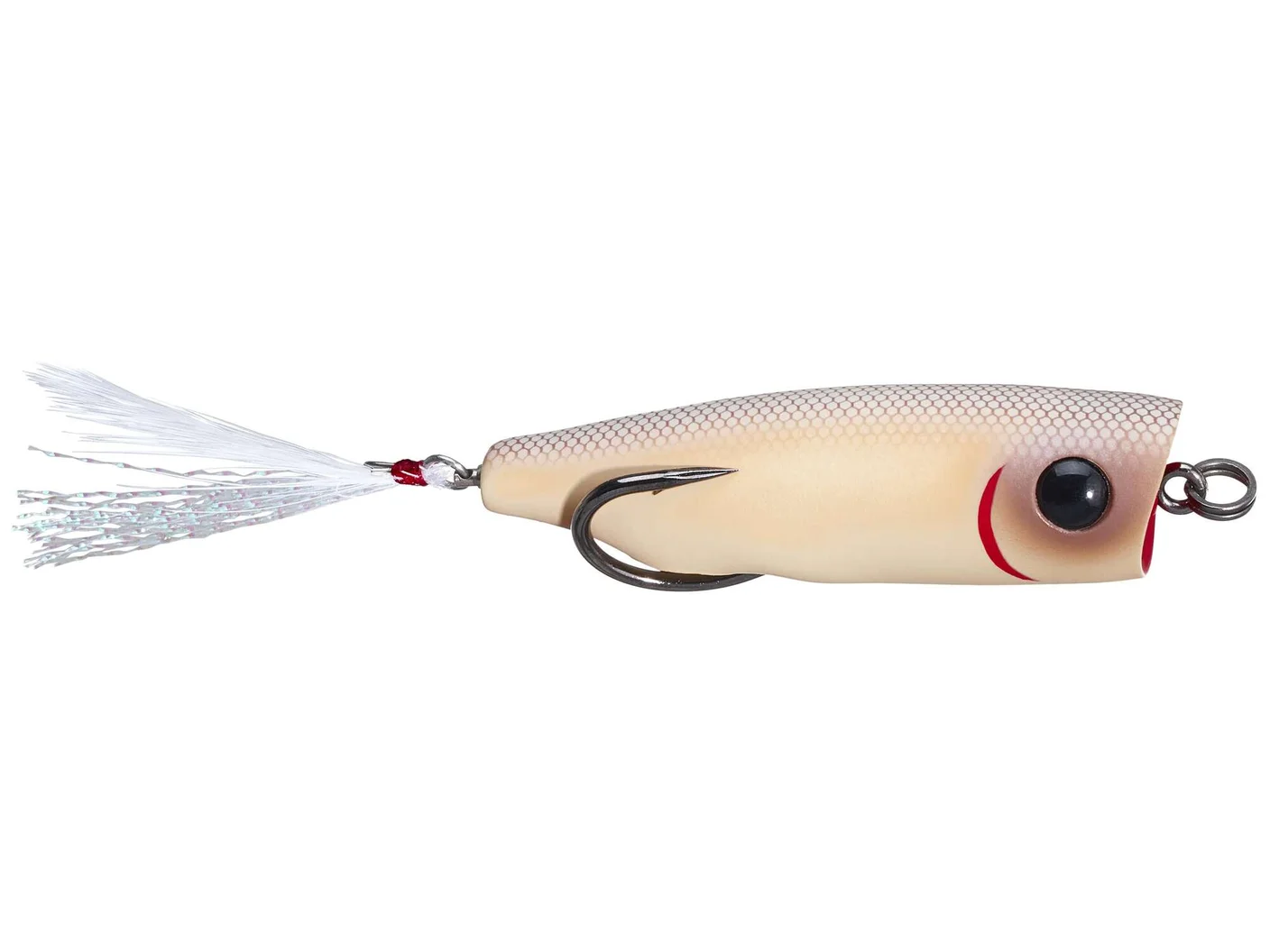
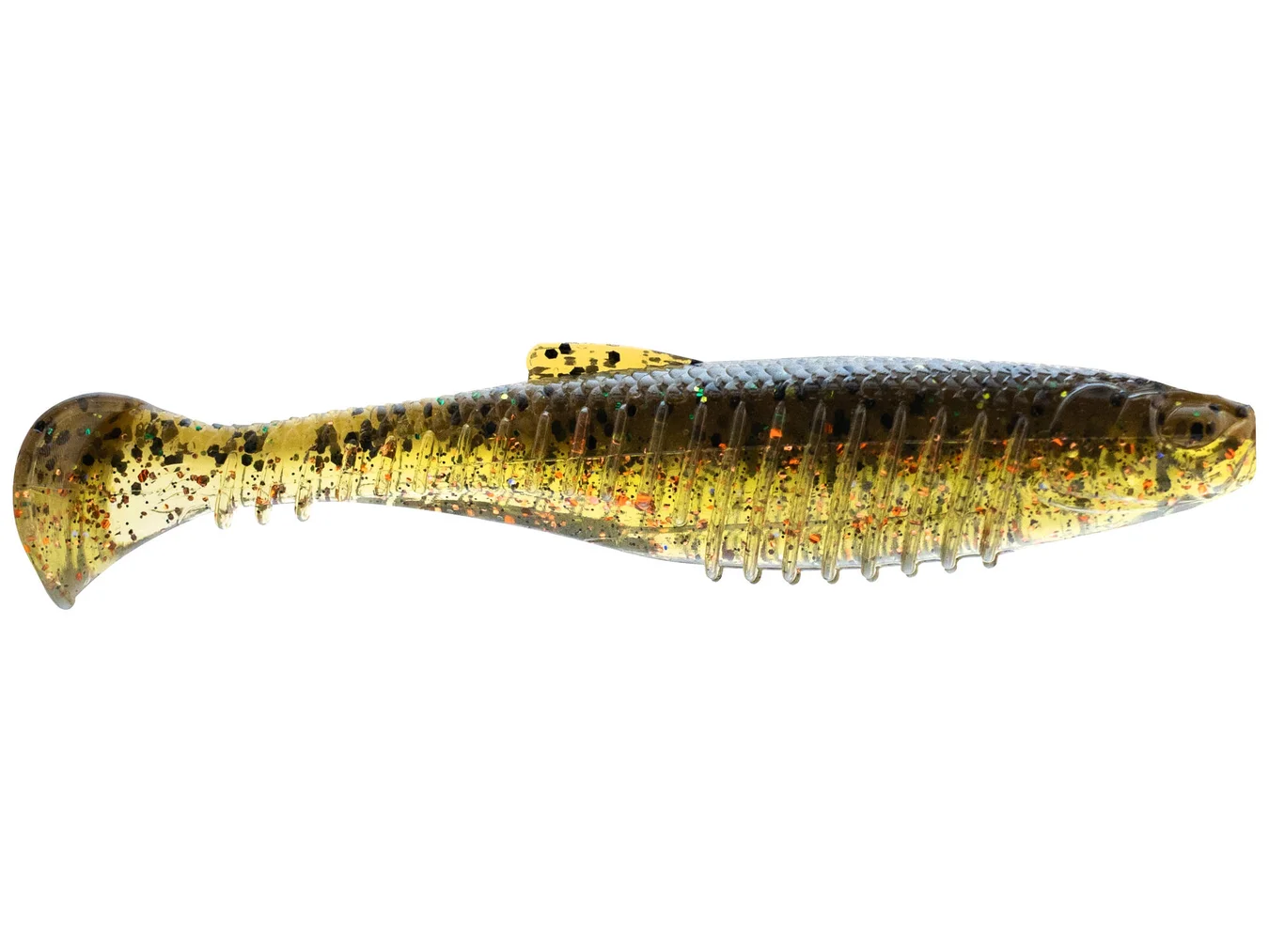
- Snag Proof Zoo Wag — a hollow-body topwater with a Jitterbug-style lip, so you can straight-reel it and let the lip do the wagging while keeping the weedless hookup of a frog. Not to be confused with the Zoo Pop, a separate hard-bodied popper in the same family.
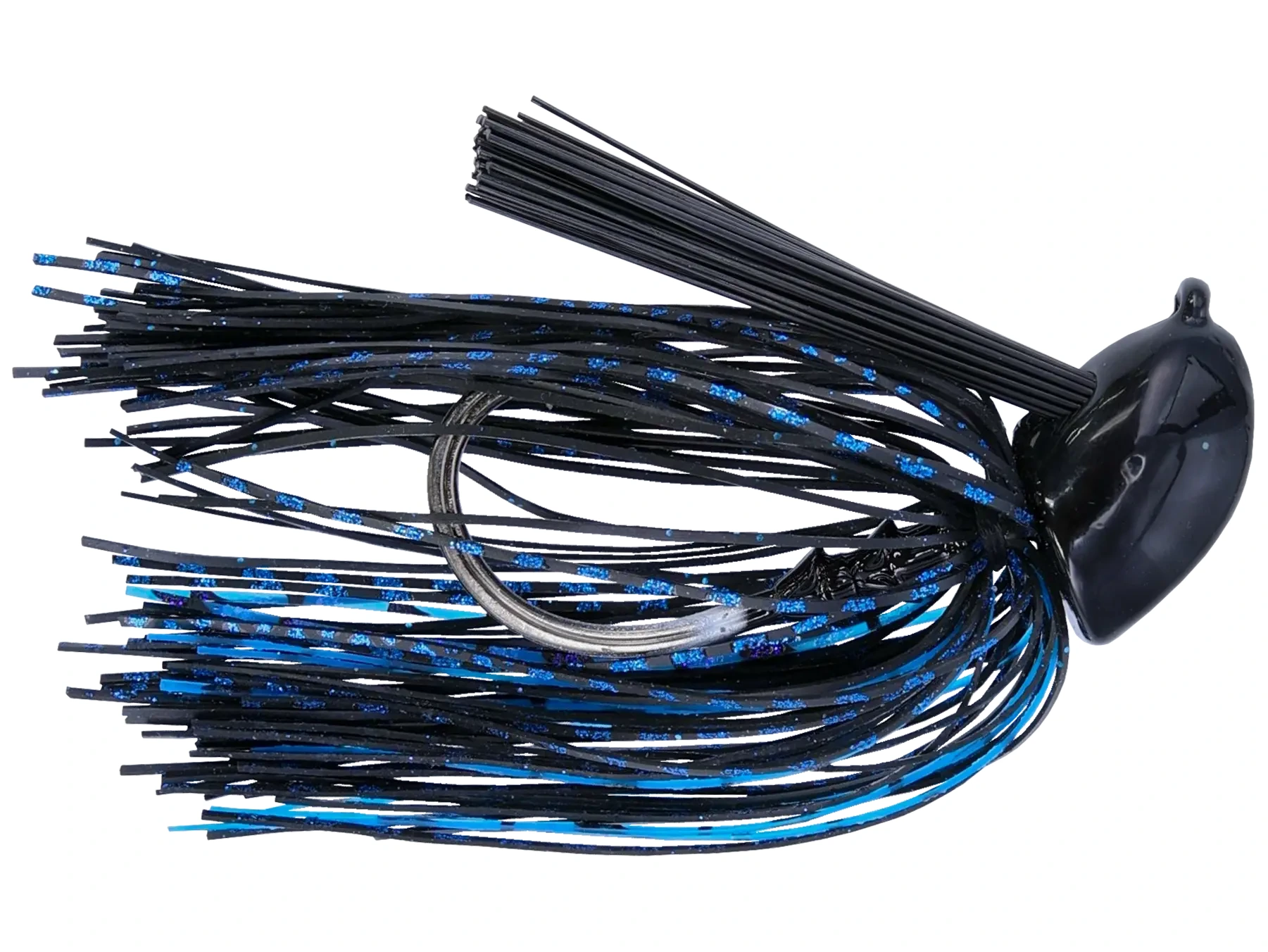
- Buckeye Dumpster Diver Jig — Ken Mah co-design built to punch through and hookset in heavy grass, at a friendly price. Best product name of the show.
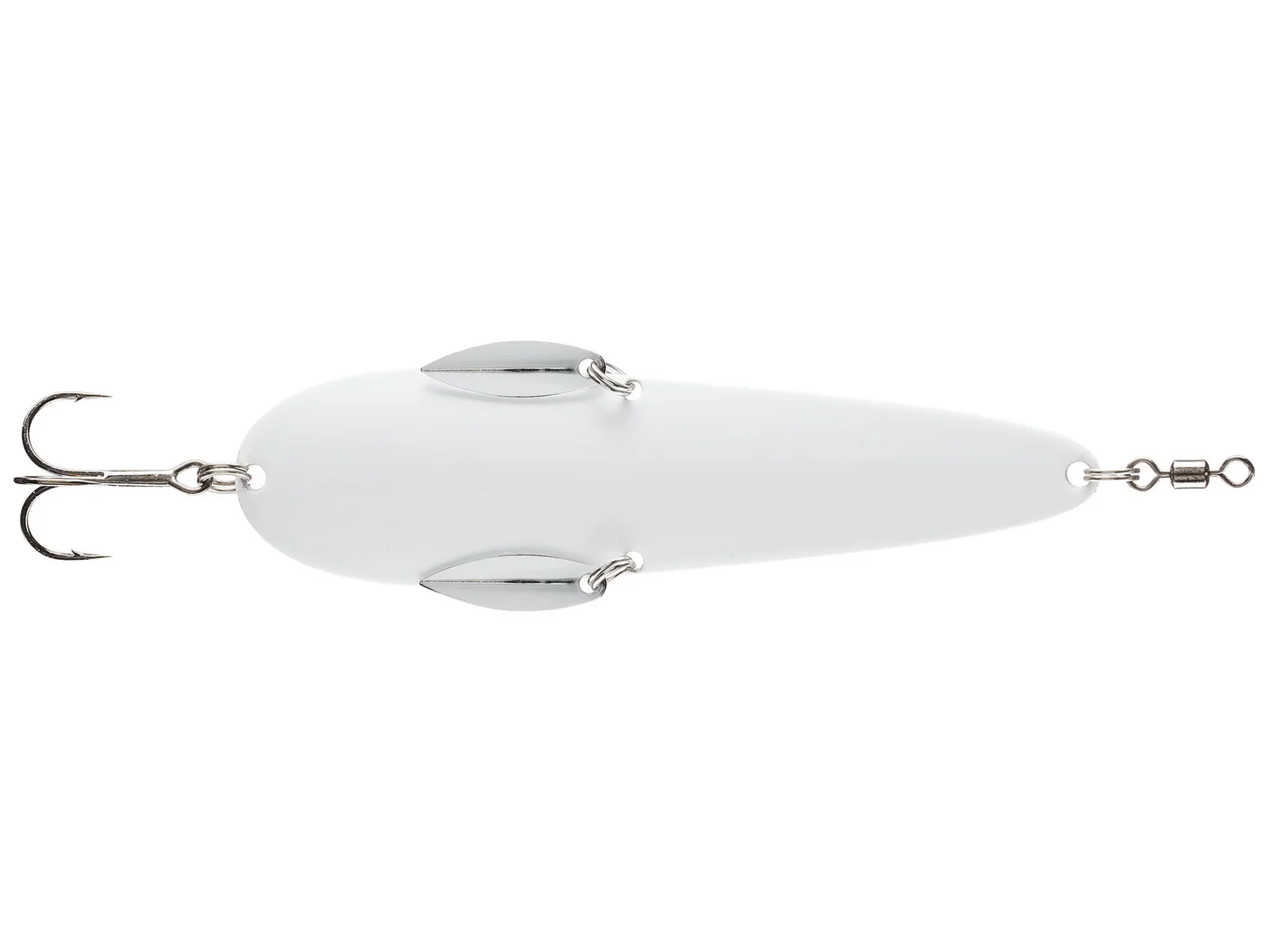
- War Eagle Sonar Flash Flutter Spoon — two #2 nickel willow blades on split rings for extra flash, front swivel to prevent line twist. Two sizes, 3.75" and 4.75", in five colors.
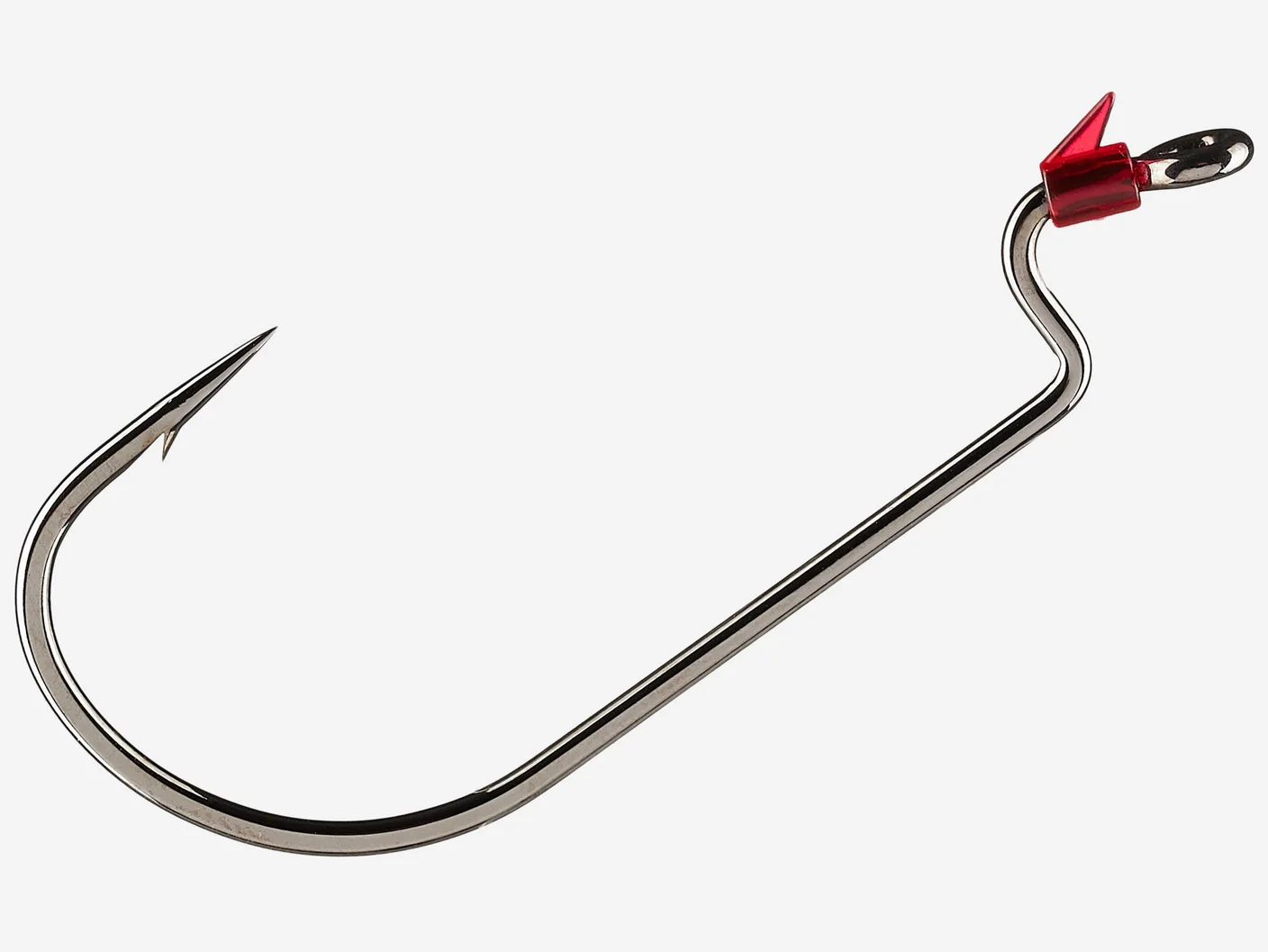
- Z-Man Octane Minnowz, their first swimbait built specifically for bass, carrying the Swag tail — and the Gaff Worm Hook, an EWG/worm hybrid with a screw-lock keeper at the eye to hold ElaZtech in place.
The Short Version
If you take three things from this issue: the urchin is finally buyable at a fair price, so stop paying reseller money for one. Buy the tungsten sizes you actually fish before the pricing works its way to the shelf. And don't read the ICAST floor as gospel on what's working — jighead minnows barely registered at the show and still accounted for most of the smallmouth caught in the Champlain Top 10.
The rest is worth watching, not chasing. See you next month.