
Editorial · Feature Article
Cut Your Jig Skirt: Four Trims That Get More Bites
A jig straight out of the package looks like everyone else’s. A few snips with scissors can change its profile, its action, and how many bites you get.
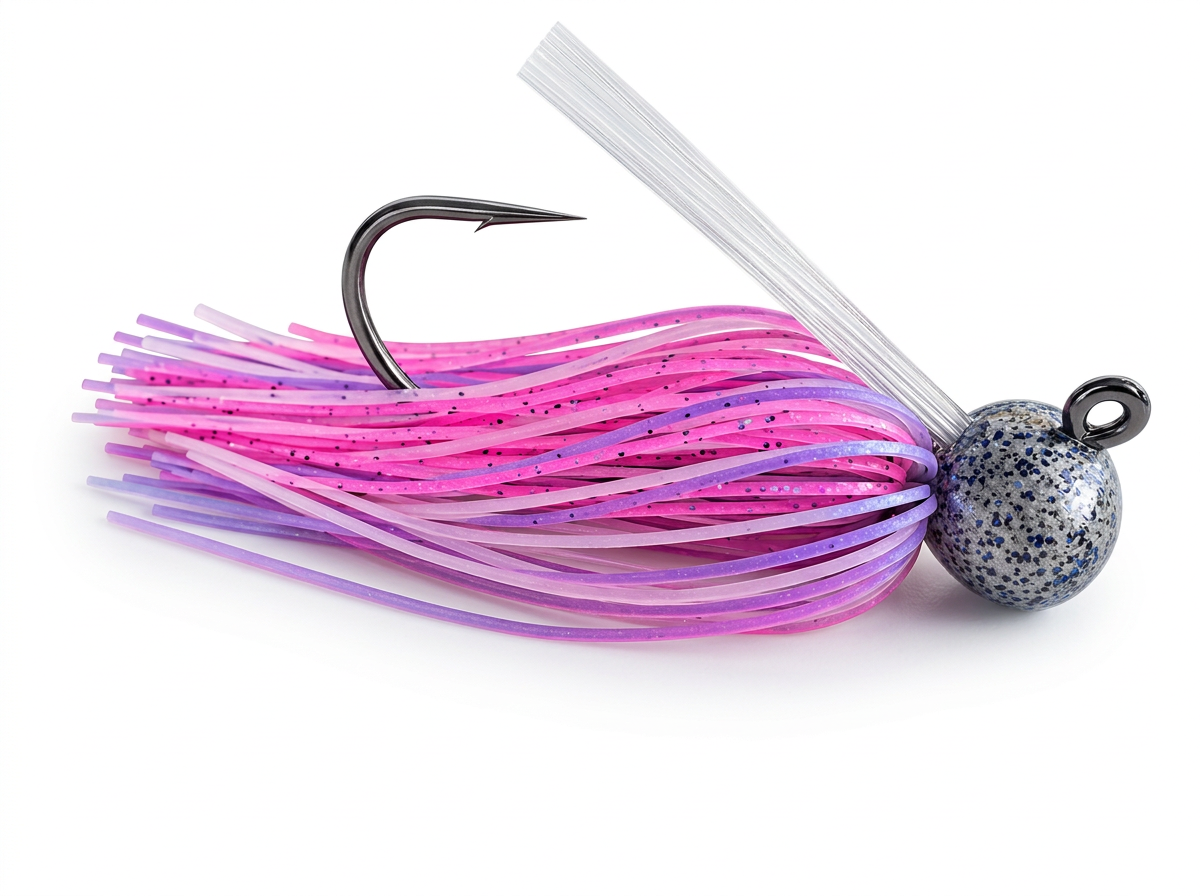
If you can catch fish on a Texas rig all day but struggle to get bit on a jig, the jig itself may not be the problem. The skirt might be. In a video for LS Lures, Hunter Suchsland explains why he trims nearly every jig he fishes and walks through the four cuts he relies on most.
Why trim a brand-new jig?
Out of the package, most jigs have a full, even, tidy skirt. Suchsland’s view is that this tidiness works against you. Fish in pressured water see that same bulky profile constantly, and a crowded skirt can restrict its own movement.
Trimming accomplishes three things:
- It makes your jig look different. No two anglers trim the same way, so your jig stops looking like every other one hitting the water.
- It changes the action. Short strands snap back into place quickly, while long strands move more slowly. Cutting strands at different lengths gives the skirt several speeds of movement at once, which looks more alive.
- It makes the bait more compact. A smaller profile is easier for fish to eat, including smaller fish, and lets you run a trailer tighter to the bait.
Think of the beat-up crankbait that somehow catches more fish the more hook rash it collects. A trimmed jig gets you that look on purpose.
Trim 1: The standard chop
This is the cut Suchsland makes most often, and it requires no fine work.
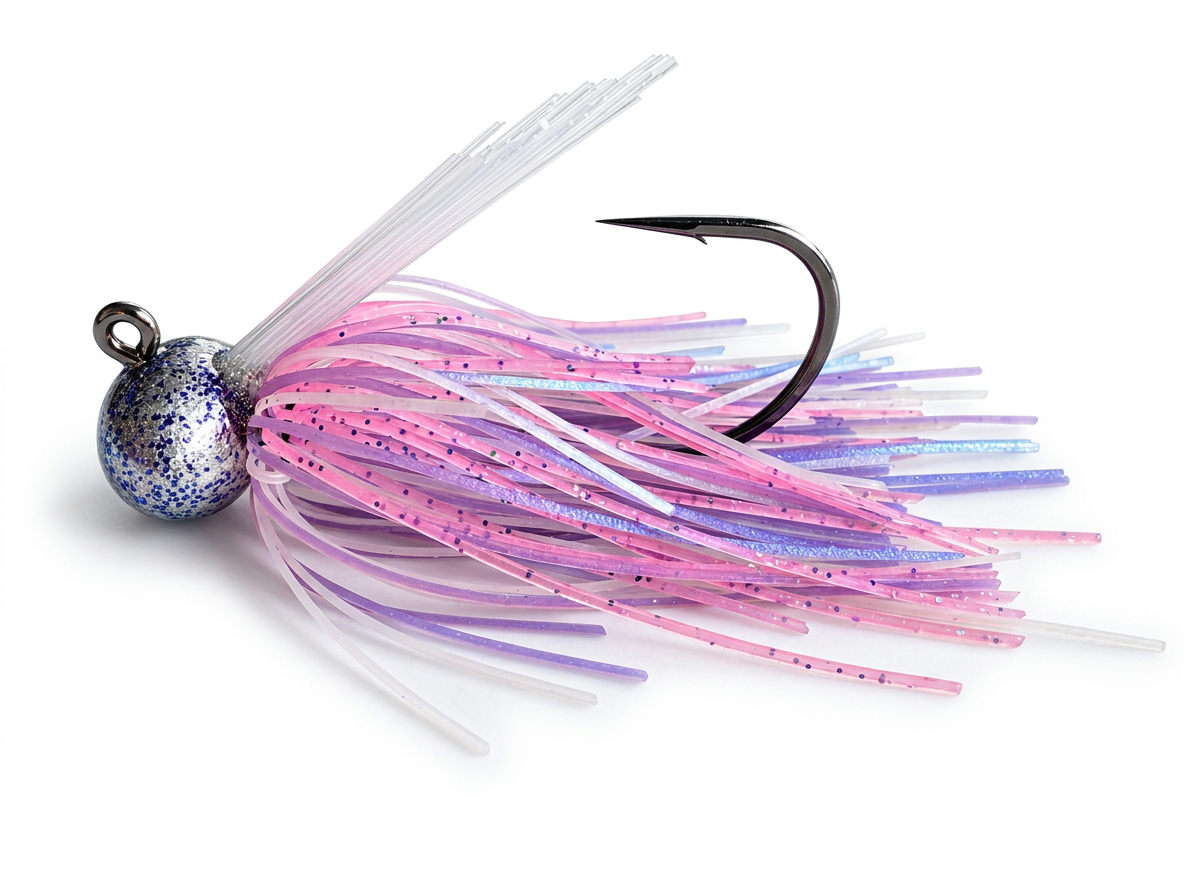
- Gather the skirt and cut it at an angle up toward the hook.
- Stop about ¼ inch or slightly more behind the hook, not right at it.
- If you want, snip a few strands on the sides shorter so they’re uneven.
The result is a shorter, more compact jig with a scruffier profile and quicker action. It works well on tough, pressured lakes where a modest weight wins tournaments and a full-size jig draws few bites.
Trim 2: The finesse cut
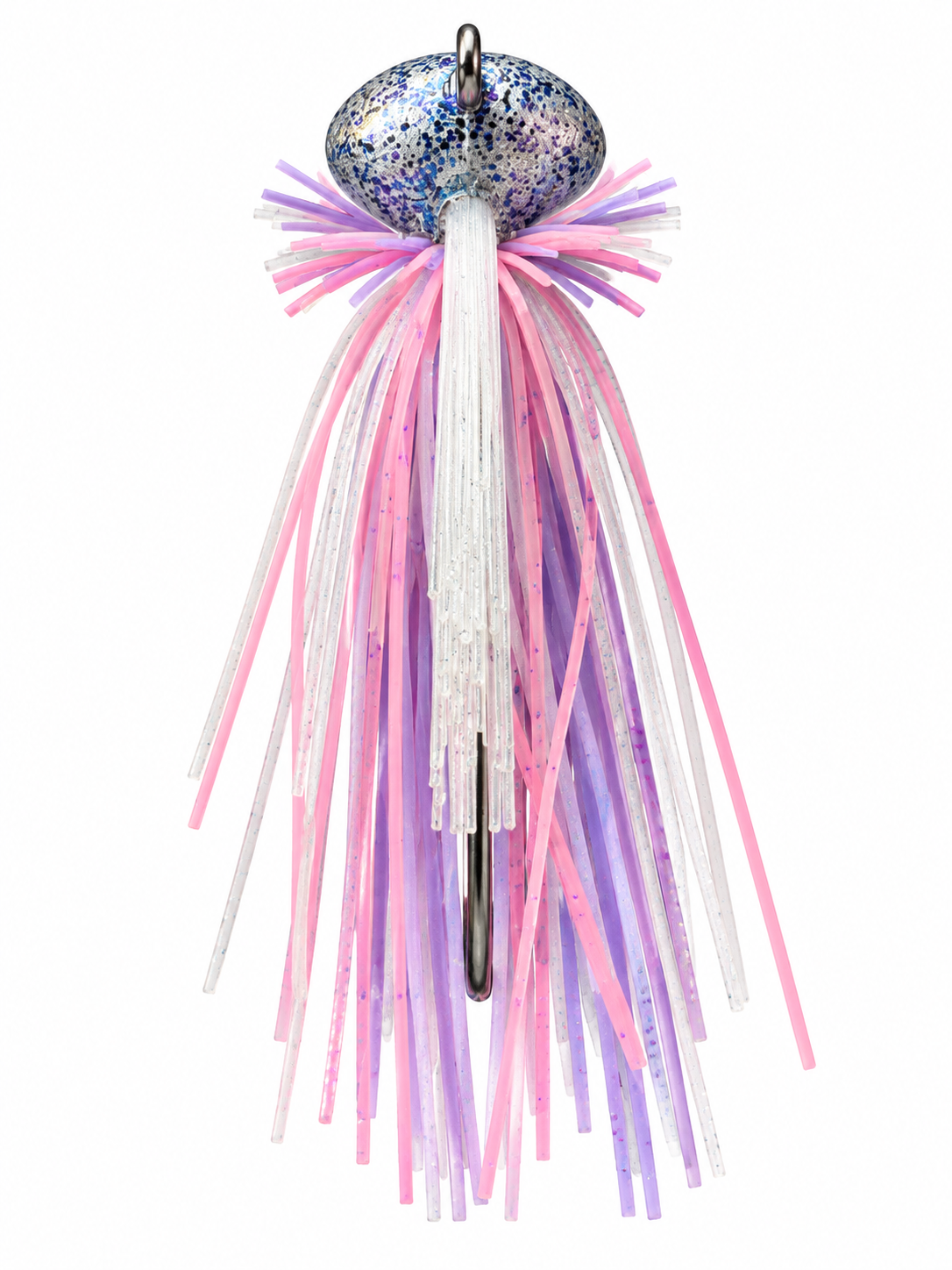
This trim is for clear water and heavily pressured fish. It turns a standard flipping jig into something that behaves like a finesse jig while keeping the heavier hook and weed guard, so you can still fish it around cover where a true finesse jig can’t go.
- Split the skirt in half at the collar, with the front strands pointing forward and the back strands pointing back. Make sure none cross over.
- Cut off the front strands about ¼ to ½ inch ahead of the jig head.
Removing the wide, flaring front skirt gives the jig a much thinner profile. The short front strands act like a small parachute, slowing the fall and twitching quickly every time you move the bait.
Trim 3: The big, thin skirt
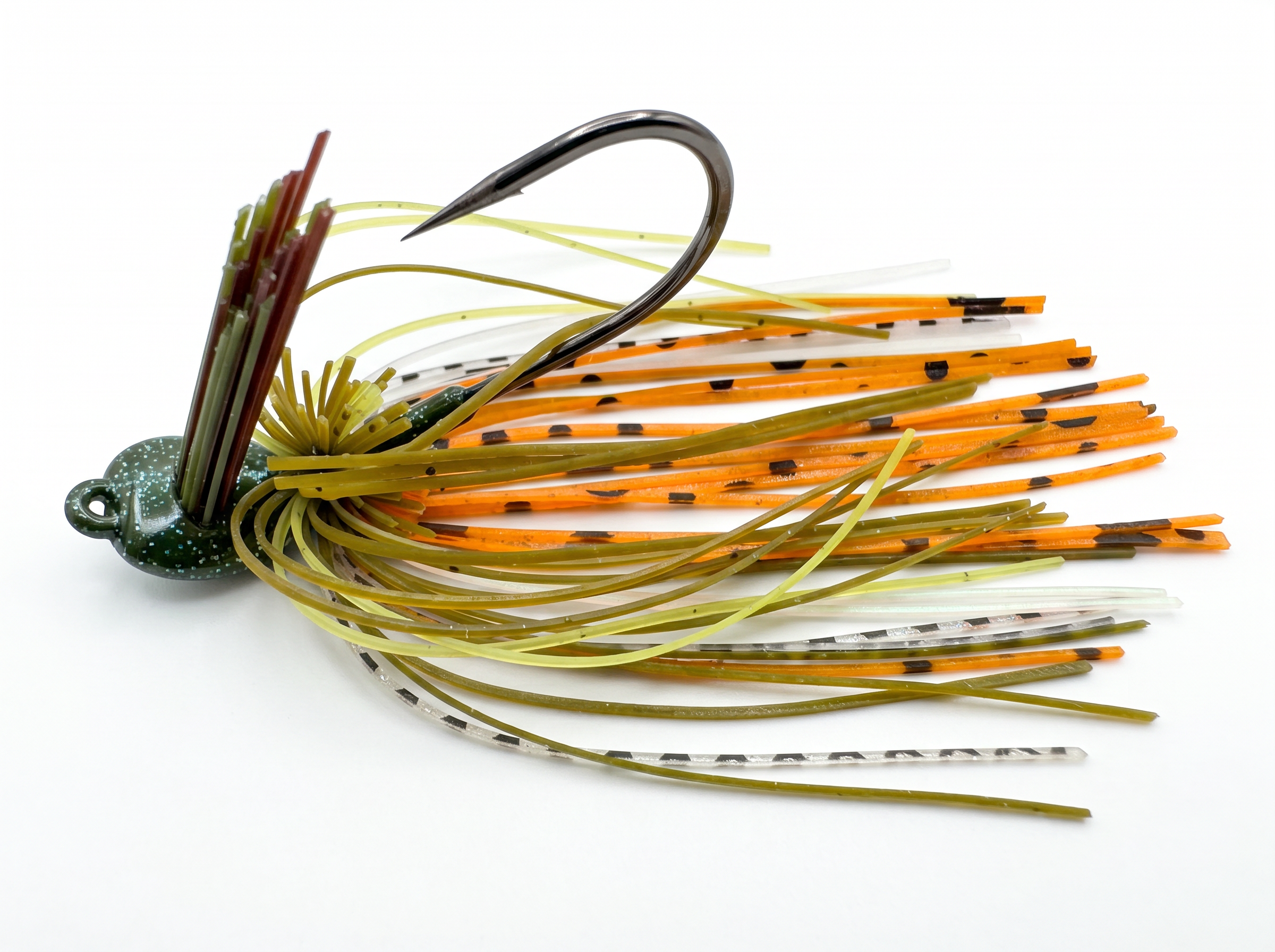
This trim keeps the jig’s overall size but uses much less skirt material. Suchsland says thinner skirts have gotten a lot of bites in his testing, and he believes they’re where jig design is heading.
- Split the skirt front and back, as in the finesse cut.
- This time, leave the front strands and cut off the back strands near the bait keeper.
With less material crowding it, the skirt has room to move. It opens up when the jig hits bottom instead of binding around the trailer, which shows off the trailer’s action. Use this trim in cleaner water where fish get a long look at your bait.
Caution for banded jigs: Skirt material held by a rubber band can slide. If you cut close to the band and then tug the remaining strands, you can pull the whole skirt off. Hand-tied and wire-tied skirts are locked in place, so this isn’t a concern with them.
Trim 4: The micro cut
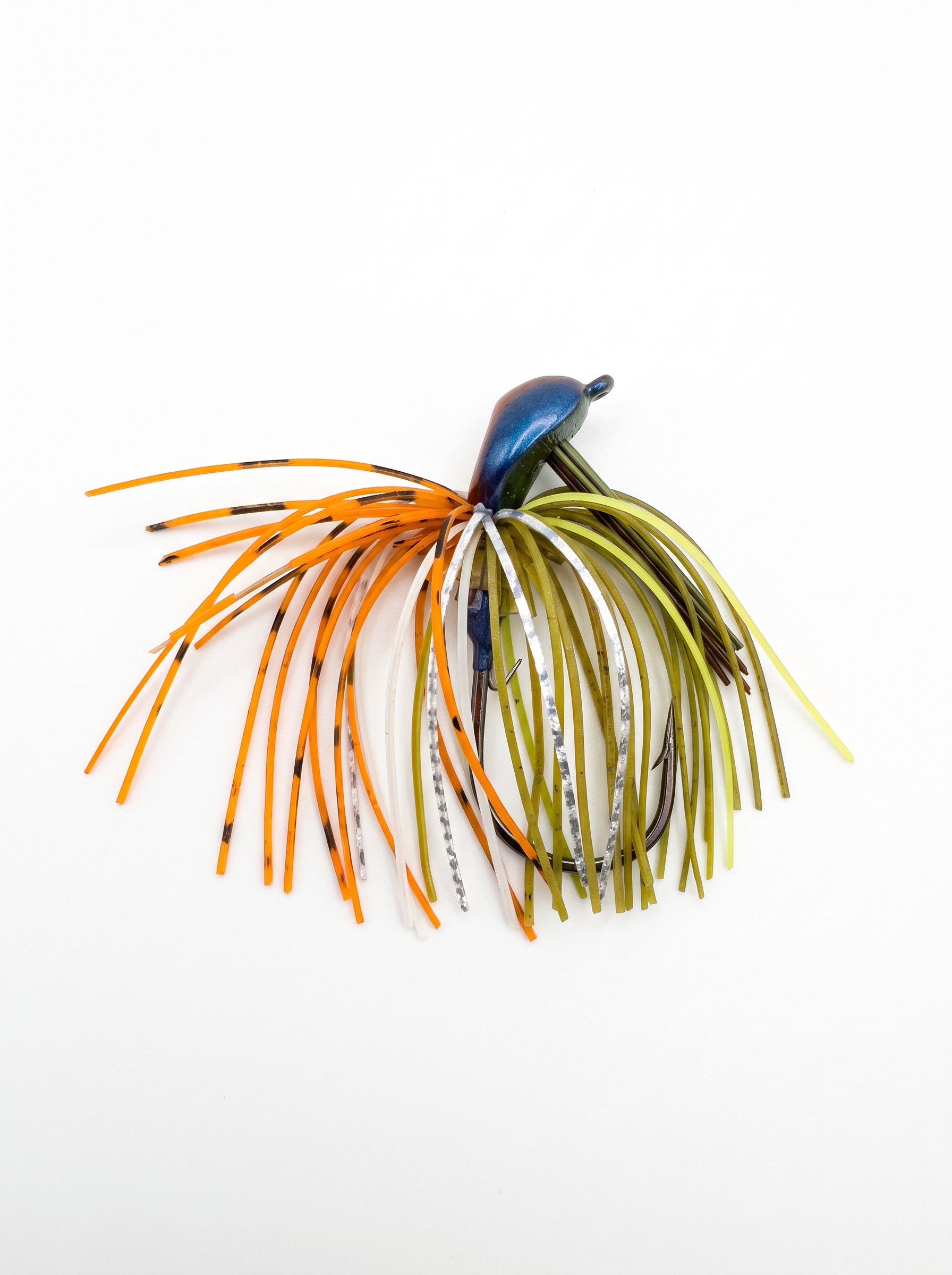
Suchsland calls this his last resort, because once you make it, there’s no going back. It’s for days with lots of short strikes, schools of small fish, or situations where you need a smaller bait than anything you brought.
- Cut the entire skirt straight across, right at the hook. Don’t go past it, or the hook will stick out too far.
- For an even smaller bait, trim the front strands too.
You end up with a tiny, flaring ball of skirt on a full-strength jig head. Pair it with a small trailer that barely kicks, and you can pitch a very compact profile into cover where fish rarely see one.
Finish every trim at the weed guard
After any of these cuts, Suchsland trims the weed guard the same way. He pinches the bristles so they fan out, then cuts the top at a 45° angle. He says this makes the whole jig more compact, and he does it on everything except jigs for the heaviest cover.
Which trim when?
| Situation | Trim |
|---|---|
| Everyday fishing, pressured lakes | Standard chop |
| Clear water, very tough bite | Finesse cut |
| Clean water, want a larger profile | Big, thin skirt |
| Short strikes, small fish | Micro cut |
The trims aren’t specific to one jig. Suchsland applies them to flipping, football, and swim jigs alike.
Source: Hunter Suchsland, “DON’T Throw Another Jig Before Doing This”, LS Lures YouTube channel.